
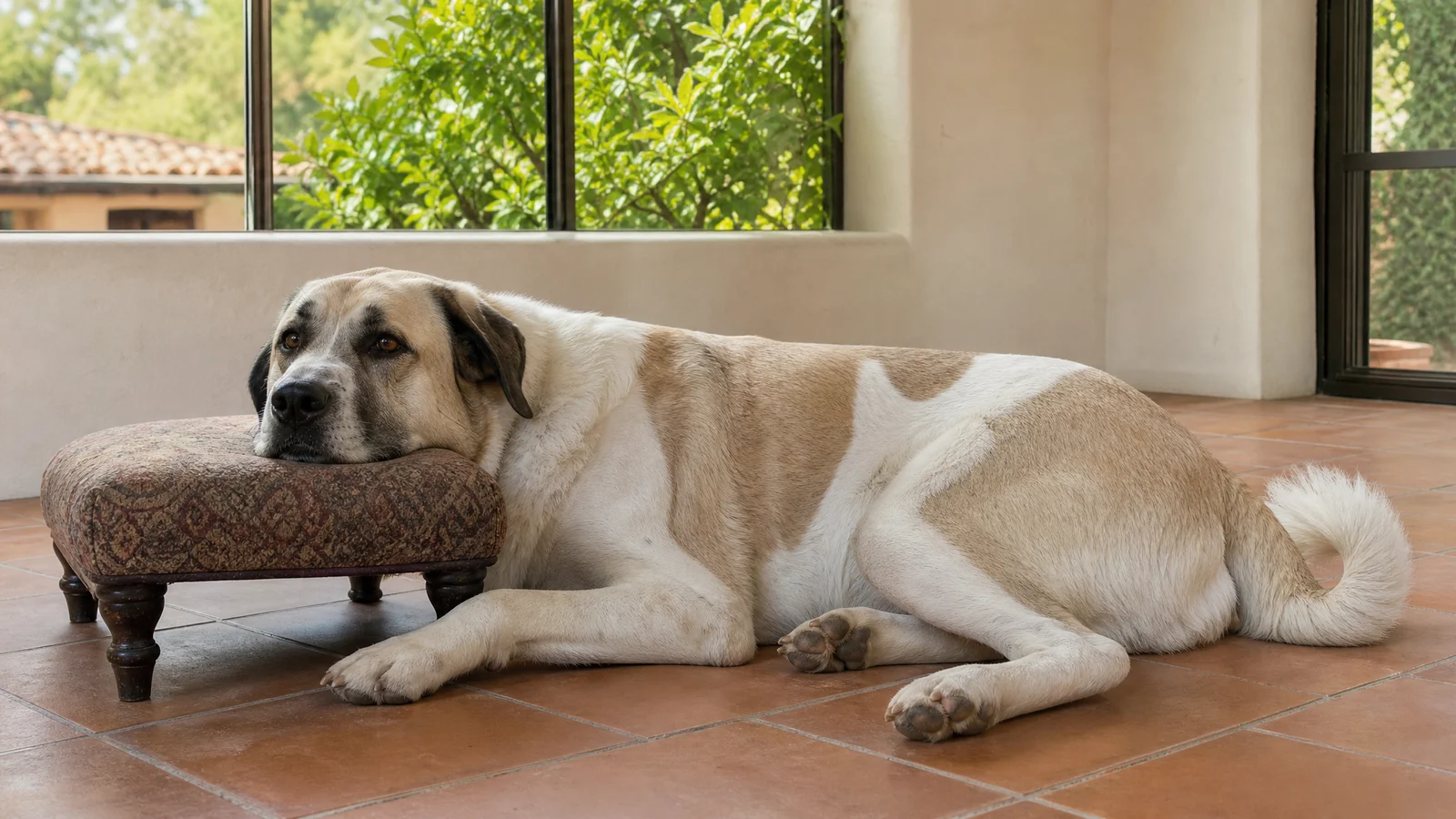
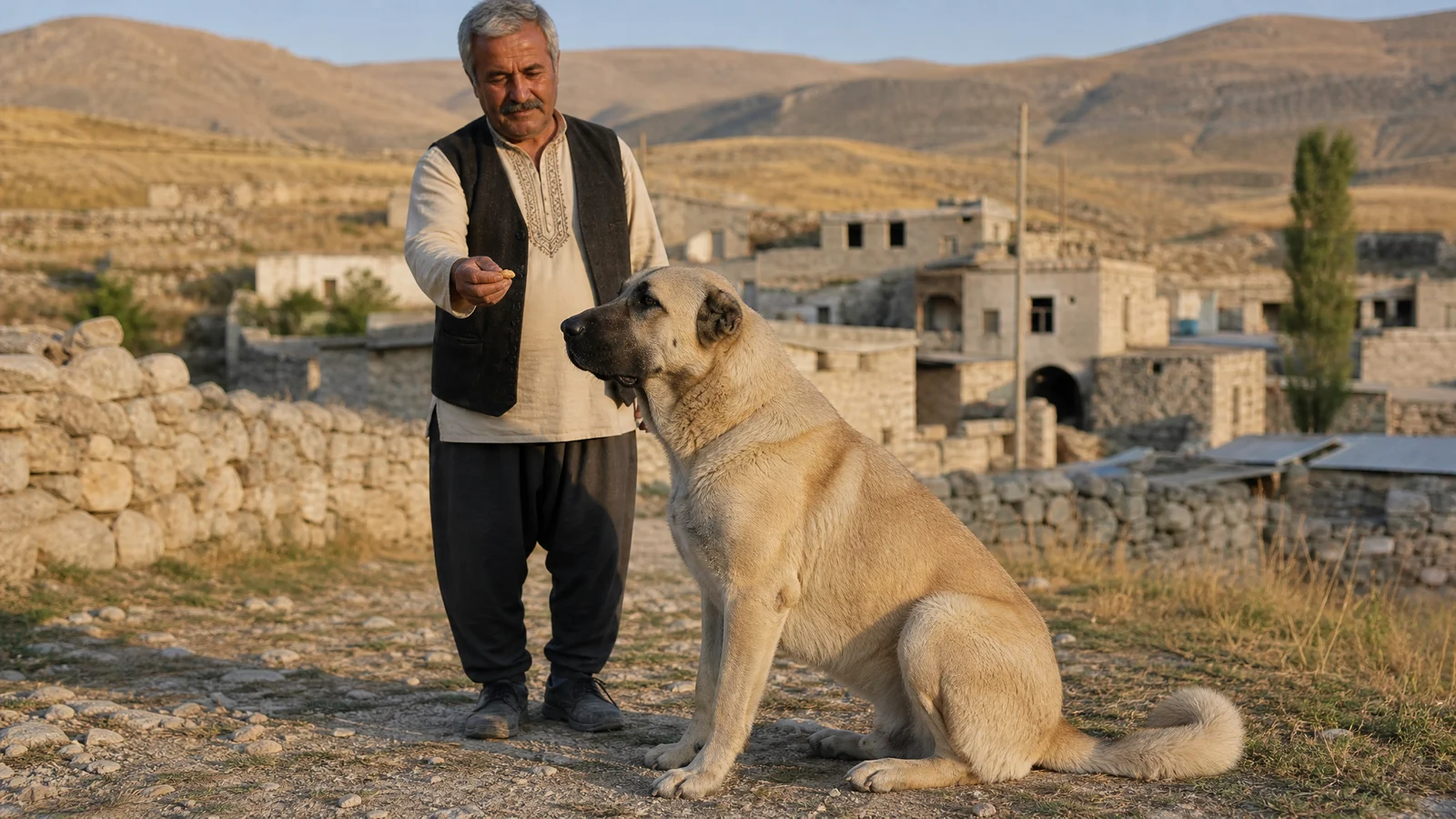
An easy trick for an Anatolian Shepherd is one with a small, comfortable endpoint that the dog can reach by choice, with room to walk away at any point. Easy describes the size of the task, not the speed of the dog or a ranking of the breed's talents. A trick is also an optional extra, and it never stands in for care or exercise.
The aim is a clear first success you can reward. It is not a pose you coax into place or a position you hold.
Picking the right trick matters more than teaching many of them, so each one should be small enough to succeed at. Below, you'll find a way to judge whether a trick is small enough, plus answers to the questions that come up before the first lesson.
What Makes an Easy Trick Suitable for Your Anatolian Shepherd?
The American Kennel Club standard says animated responsiveness is not characteristic of the breed and that overhandling would be discouraged. That describes the breed as a whole. It does not tell us that a particular dog dislikes touch, and it cannot predict which trick that dog will enjoy. It does give us a reason to avoid tricks that depend on persistent handling.
Look for an endpoint the dog can reach through movement that looks comfortable, such as a step or a head turn. Suitability belongs to the individual dog, not to a breed label. If a movement looks uncomfortable, stop and ask a veterinarian instead of coaching the dog through it. Regular veterinary visits are the right place for broader questions about physical comfort.
Optional Means the Dog Can Decline
A trick is optional when the Anatolian can step away without being guided back into position. A refusal says the movement, the place or the reward is not working for them today, and nothing about willingness or intelligence. Change one of those three before trying again, or pick a different trick.
Anything that needs hands on the dog belongs elsewhere. Coat care and handling practice have their own guidance in our Anatolian Shepherd grooming guide, and they should stay separate from trick practice.
An Easy Trick Is Not the Same as an Enrichment Activity
The ASPCA says every meal is an opportunity for enrichment, and that food puzzles slow down a dog's eating and provide mental stimulation. A food puzzle is therefore a fine enrichment activity. It is not automatically a trick, because no one chose a response to mark and reward. The dog investigates and the food arrives.
| What the Dog Is Doing | Where It Belongs |
|---|---|
| Performing a chosen response that is marked and rewarded | A trick lesson, one trick at a time |
| Working out a food puzzle or search | Enrichment and exercise planning |
| Following a named trick's full movement sequence | The separate lesson for that exact trick |
The split keeps a puzzle from turning into a performance test, and it keeps this guide from repeating the full method of any named trick. Search games and other brain work sit with our Anatolian Shepherd exercise guide. Both are valid jobs. They just ask different things of the dog.
Easy Anatolian Shepherd Trick Questions to Settle First
A few decisions sit between picking a trick and starting it. They are quick to settle, and settling them first saves a muddled opening session.
Can the reward be something other than food? Yes. The RSPCA says all training should be reward based, and it names food, toys and praise as things a dog may really like. Giving one of them when the dog shows a behavior makes that behavior more likely to happen again. Use whichever your dog values most for that session.
Will every Anatolian Shepherd find the same trick easy? No. Easy describes how small and clear the task is. The breed description gives no basis for predicting which movement an individual dog will find comfortable or enjoyable. Pick from what you see in your own dog, and drop any movement they avoid or that looks uncomfortable.
Where does the full method for a named trick live? Choosing a trick and teaching it are separate jobs, so the full lesson for a named trick belongs on its own page once that page is published on the site. Until then, stay with the one-small-movement plan below rather than borrowing a sequence from a different trick.
Break One Anatolian Shepherd Trick Into Rewardable Parts
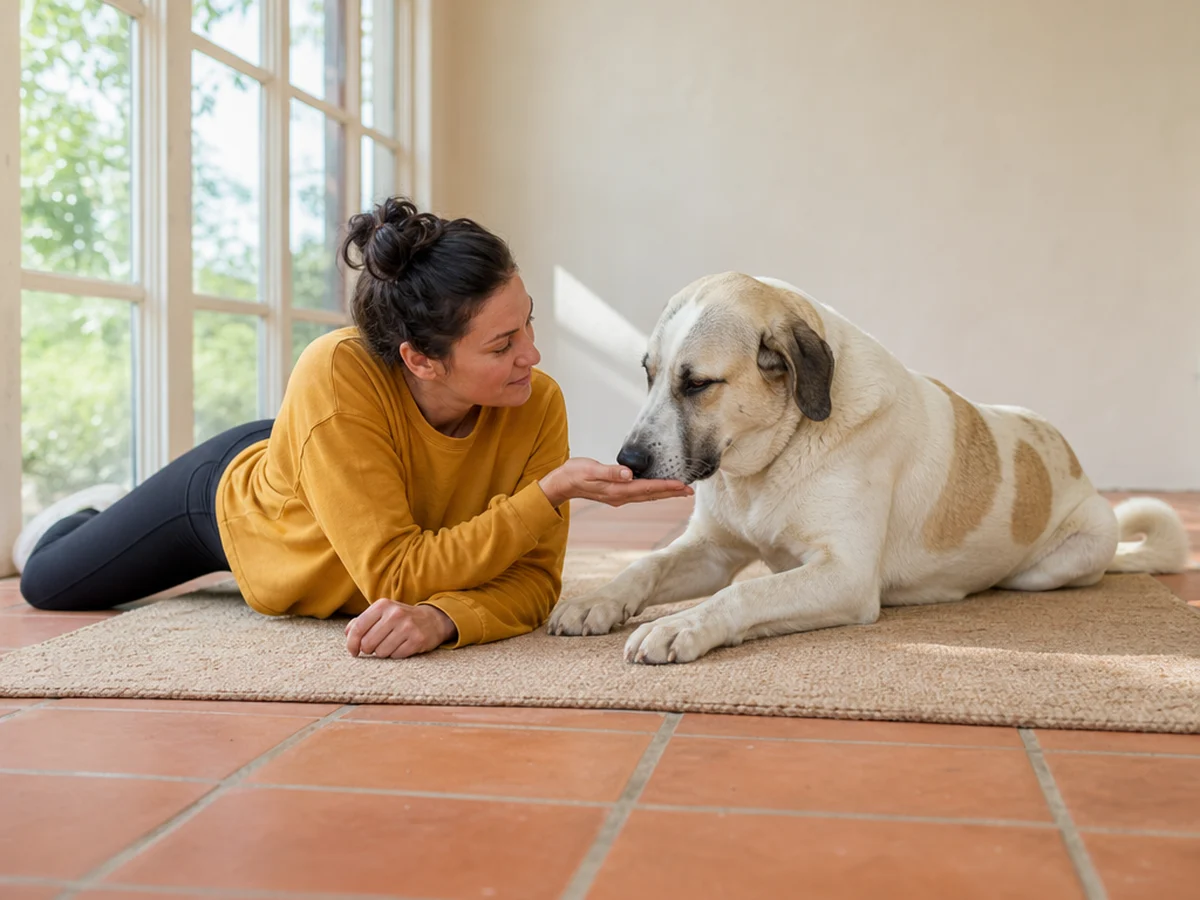
Battersea Dogs & Cats Home advises deciding on the final behavior and breaking it into small steps that are clicked and rewarded in sequence. Battersea also says the click must land exactly on the desired behavior and that the reward should follow within 3 seconds. We apply that planning idea to a single optional endpoint, without borrowing the movement sequence of any named trick.
Plan from what you can see. A head turn or a step is clearer than an intention you can only guess at.
- Pick a voluntary endpoint that looks physically comfortable for this individual dog.
- Find one part of it the dog can already show, such as a head turn toward your hand or a single step.
- Mark the movement at the moment it happens and deliver the reward straight away.
Keep the plan to one endpoint and one rewardable part at a time, and make the next part small enough that the dog can offer it willingly. Good timing keeps the information clear, but it cannot promise that the full endpoint arrives on a schedule.
Keep Easy Trick Practice Brief Without Losing Clarity
The RSPCA recommends short but regular sessions so a dog is not overwhelmed. Short does not mean hurrying through several unrelated cues. One clear endpoint and one rewardable part give a brief session a coherent job, even when it ends quickly.
End while the exchange still makes sense to the dog, or sooner if the Anatolian wanders off. No fixed duration or repetition count makes a trick suitable.
Trick practice also stays apart from the dog's daily needs. It cannot replace exercise, care, rest or individual support, and a short lesson that ends cleanly is a complete session.
 Training basicsAnatolian Shepherd at 1 Year and Up: When Do They Calm Down?
 BehaviorAnatolian Shepherds With Cats and Other Dogs
 Training basicsHow to Teach an Anatolian Shepherd to Sit