
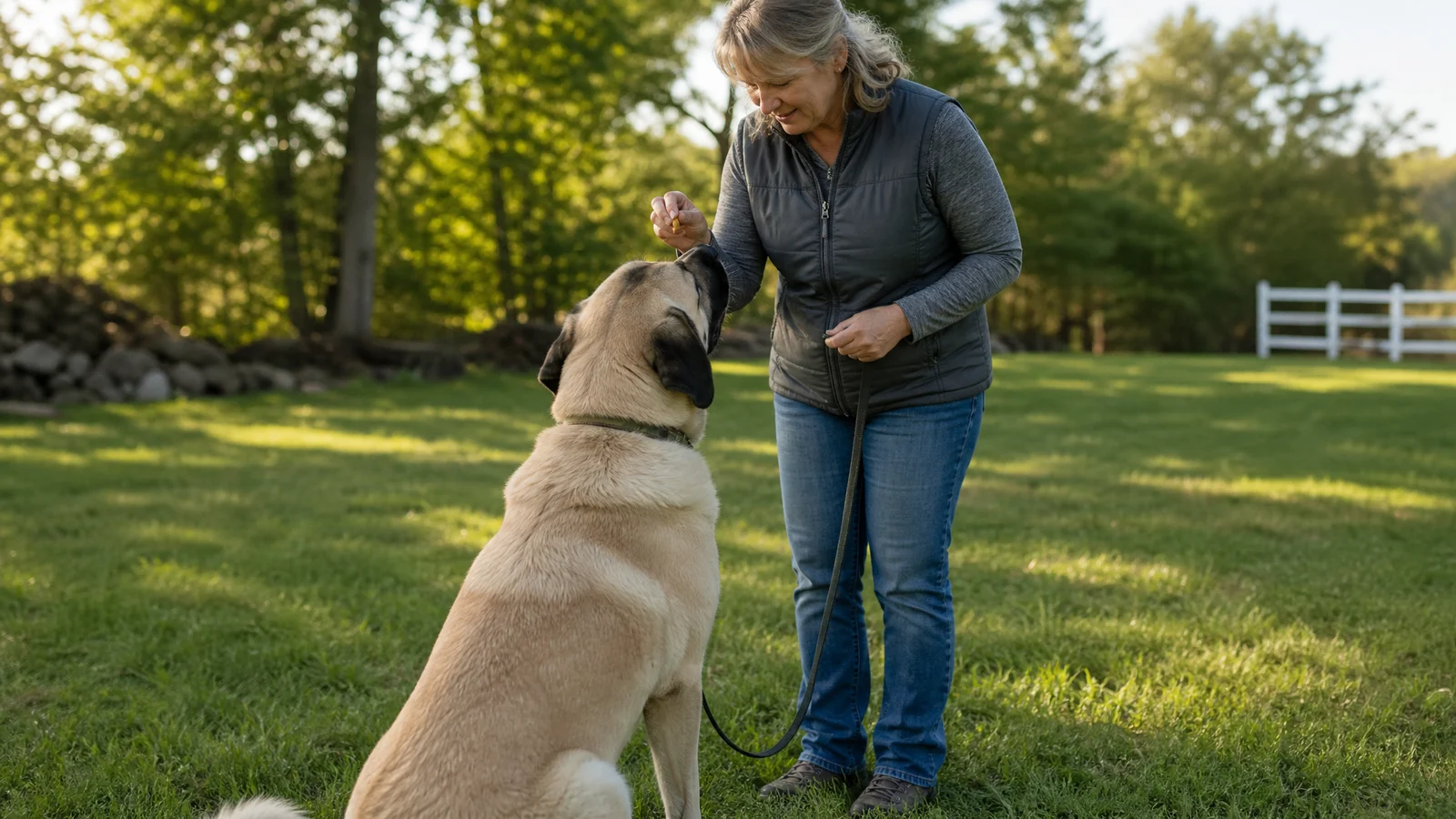
Yes, an Anatolian Shepherd can be trained, but expect a slow, patient process built around cooperation, not obedience drills. For millennia these dogs lived with livestock and judged danger on their own, so they weigh a cue before they act on it.
This article looks at training as a toolkit you assemble: the rewards that move a self-directed dog, the gear and spaces that keep a very large animal safe, a daily rhythm, five cues worth teaching and a slow approach to meeting the world. You will finish able to start a two-week plan with confidence.
Getting this right pays back for years. A calm, deeply bonded adult is the reward, while pressure tends to produce a large, wary dog who tunes you out.
Why Anatolian Shepherd Training Works Differently
Most training advice assumes a dog who watches you for the next instruction. This breed spent its history doing the opposite, guarding flocks and using independent judgment whenever danger seemed near. A dog who pauses, looks around and then decides is behaving exactly as selection shaped them.
The ratings agree. The AKC lists trainability at 2 of 5, close to its "Self-Willed" label, and the breed standard says responsiveness with animation is not characteristic and that overhandling would be discouraged. Read that as a design note. You will not see a bouncing, eager reply to every cue, and chasing one will cost you the steadiness that makes these dogs good to live with.
Obedience work is a must, and the natural independence can make responses slower. Both are true together. Another standard calls the breed naturally independent, very intelligent and tractable, which is a fair summary: the capacity is there, and the speed is yours to be patient about.
What an Experienced Owner Does Differently
In experienced hands, these dogs prove trainable, smart and extremely loyal. The difference is rarely cleverness. Read a pause as thinking, arrange the day so good choices pay, and do not take offense when a dog checks the fence line before answering a cue.
Affection with family rates 1 of 5, the "Independent" end of the scale, yet the dog is calm, friendly and affectionate with their immediate family. Expect quiet devotion more than constant requests for attention. That is a different bond from a retriever's, and it is a good one.
Planners do well with this breed, because the work spreads across life stages.
In the first months, you lay down calm habits and gentle experiences instead of polishing obedience. In adolescence, you hold your rules steady while the dog tests them, and you keep management tight so unwanted habits get little practice.
In adulthood, you maintain a short list of cues and keep the dog's mind busy, since habits that look cute in a puppy become safety problems in a very large adult.
We have spent many years on this breed's behavior, and the households that thrive tend to share one trait: they plan for the dog they will have in a year or two, not only the one on the floor today.
Training Rewards for a Self-Directed Dog
A self-directed dog cooperates when cooperating is the better offer, so rewards do most of the teaching. The evidence leans the same direction. The AVSAB position is that all dog training, behavior problems included, should use only reward-based methods.
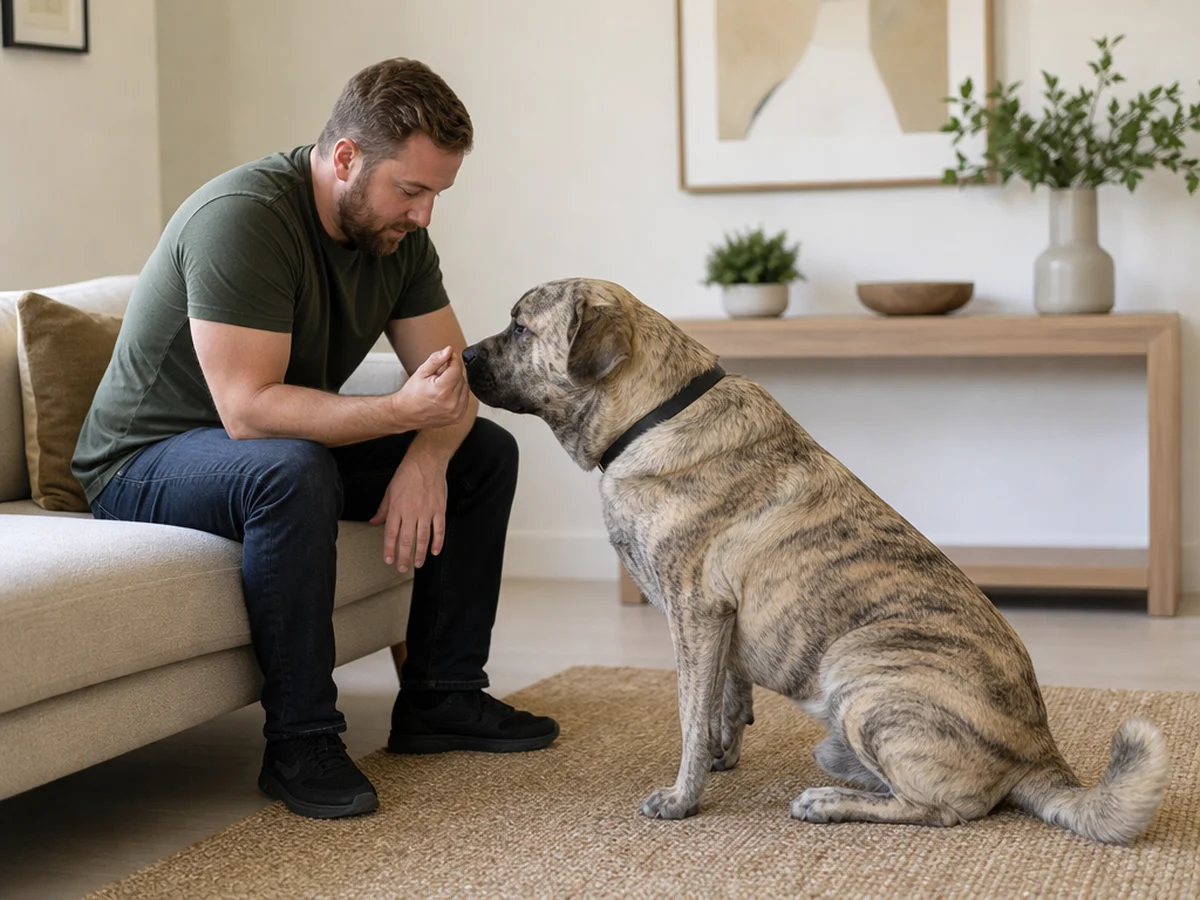
Consider what research on 92 companion dogs from 2020 reported. Dogs from schools relying mostly on aversive methods showed more stress behaviors, tenser postures, more panting and bigger cortisol rises after sessions than dogs from reward-based schools. With a big, reserved guardian, a relaxed learner is the whole goal.
Offer a small menu and watch which item your dog truly works for:
- Food in tiny, soft pieces that are swallowed quickly, so you can repeat an exercise many times in a short session.
- Calm praise in a low, even voice. Excited cheering suits other breeds, since the standard says responsiveness with animation is not characteristic and overhandling would be discouraged, so keep touch brief and watch whether your dog prefers it to long petting.
- Access to what the dog already wants, such as going through a gate, sniffing on a walk or being released into the yard. For a dog with their own agenda, these life rewards often beat treats.
- A quiet chew or a rest on a mat, which pays them for settling.
Marking and Delivering the Reward
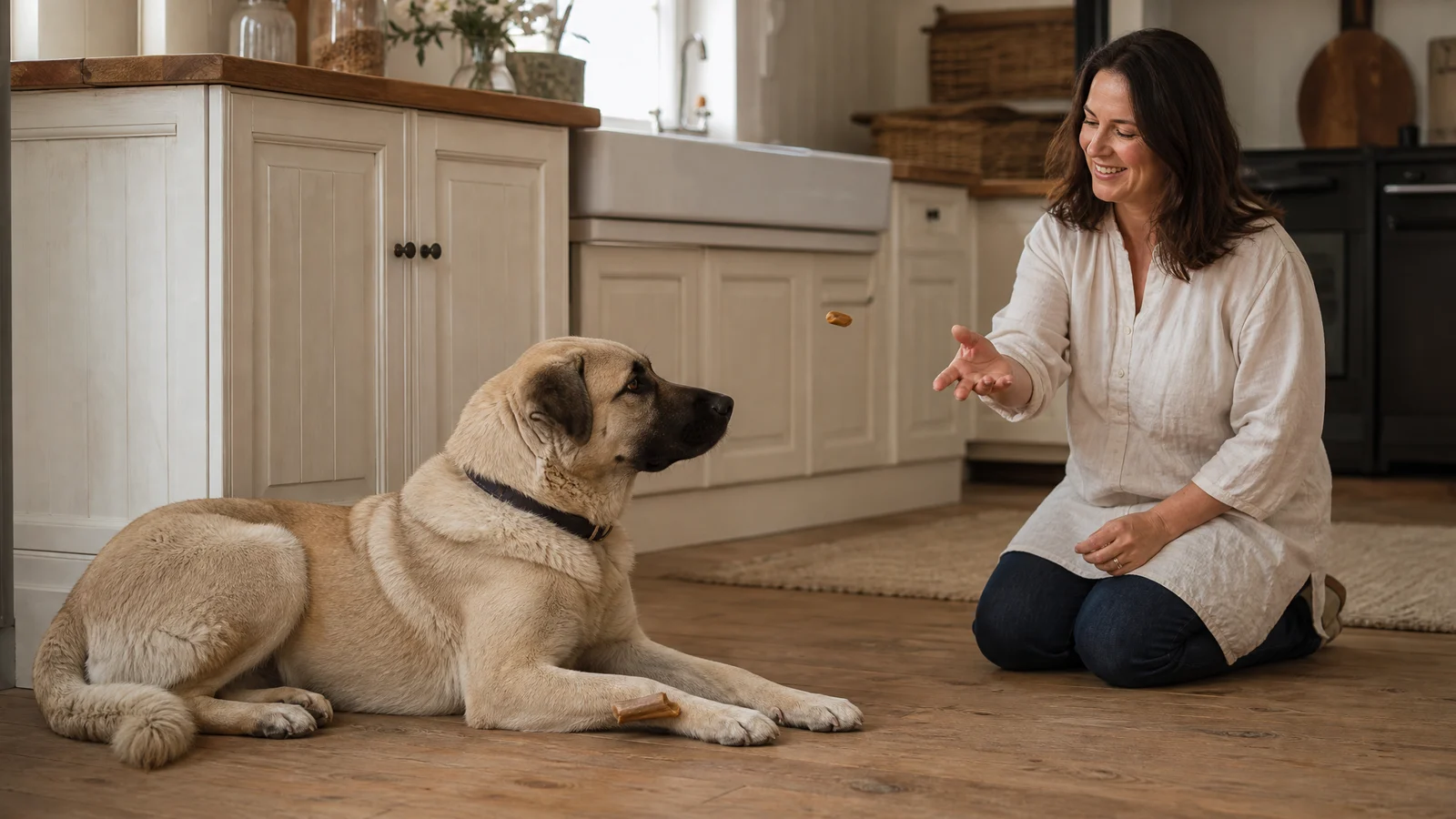
Choose a marker word such as "yes" and say it at the instant the dog makes the choice you want. The reward follows, delivered low and near their feet so there is no lunging or jumping for it.
Let the dog offer behaviors before you ask for them. A dog who chooses to sit has learned more than one who was told to, and that suits a breed that likes to decide.
Keep each session brief and stop while the dog is still willing. The cooperation you save today is what you spend tomorrow. There is a trade-off worth planning for: treats add up on a dog who will grow very large, so keep the pieces tiny. Regular vet visits belong on the calendar too, because pain can look like a training problem.
Harness, Long Line and Fencing Gear for Training
Gear for this breed is mostly a safety margin. The standard describes a large, rugged, powerful dog with great endurance and agility, and a weak clip or loose latch will not hold one who has decided to investigate. Every escape is also practice you would rather they skip. Buy in this order, because the early items matter most:
- Fencing first. A solid, regularly checked fence with latched gates is a training tool, since it stops patrolling and wandering from becoming habits. Away from home, we recommend keeping them leashed or fenced, because their own judgment, not your cue, decides what they do.
- A well-fitted harness spreads the load across the chest. Choose an adjustable one and budget to refit or replace it as a puppy grows.
- A flat collar with ID tags, for identification rather than steering.
- A sturdy, fixed-length leash with strong hardware. Retractable leashes are a poor match, because a sudden sprint to the end of the cord is hard to manage on a dog this size.
- A lightweight long line clipped to the harness, for practicing recall in a secure open area.
Introduce each piece with treats before it does real work. Let the dog sniff the harness, reward calm standing as it goes on, and take a few steps indoors before heading out.
Never wrap a long line around your hand or body. A very large dog moving fast can pull you off your feet.
Walking has its own set of skills, so keep those sessions separate from recall practice. Money spent on a harness that fits well now saves a replacement later, while a cheap latch that fails costs far more.
Yard, Crate and Quiet Corner for Training
Three spaces carry a lot of the load: the yard, a confinement spot and a calm place to rest. The breed rates 5 of 5 for watchdog nature and is described as highly territorial, so how you arrange each space shapes what the dog practices all day.
The Secure Yard
A yard is not a substitute for training. A dog left outside with a view of the street will rehearse barking and fence patrolling for hours. Solid panels or dense plantings along the fence line cut down on what they see, and time outside with them lets you reward calm looking.
Call the dog in early, before alert barking builds. Barking rates 3 of 5, so aim for a quiet finish after an alert rather than total silence.
The Crate as a Rest Space
A crate works as a place to rest between sessions, never as a punishment. Feed meals there, toss in a chew and leave the door open at first. The Anatolian Shepherd potty training guide shows how the crate supports house habits, and the same gradual approach applies here.
Plan for size. A crate that fits a puppy will be outgrown, so decide early whether you will buy once for the adult or replace it as they grow.
A Quiet Corner
Set a mat or bed in a low-traffic corner where the dog can still see the family but sits away from the front door. This becomes the settle spot. If play gets too wound up, calmly walk them there for a rest. That is a time-out, not a scolding, and it gives them a quiet reset.
Daily Training Routines That Hold
A routine holds when it costs little, so tie short sessions to events already in your day. Energy level and mental stimulation needs both rate 3 of 5, which is moderate, so a steady rhythm of brief sessions suits them better than occasional long ones. Here is a sample day:
| Time of day | Session | Purpose |
|---|---|---|
| Morning | Name game using part of breakfast | Builds attention before the day gets busy |
| Midday | Settle on the mat while the household moves around | Teaches calm in ordinary activity |
| Afternoon | Harness, leash or long line practice in the secure yard | Builds walking and coming skills |
| Evening | A scent game, then a quiet chew | Gives the mind work, then winds down |
For the scent game, a simple nose work setup is to bait at least half of a set of open boxes with smelly treats, so the dog finds them and rewards themselves. It suits a thoughtful dog who likes working things out alone.
How the Routine Changes With Age
In the puppy months, keep sessions playful and very short, and let rest take up most of the day. In adolescence, repeat the same skills in new places with mild distractions, because skills often need rebuilding in a new setting. If a skill slips, go back a step instead of adding pressure.
In the adult years the routine shrinks to maintenance, but it still needs to happen. The cost of dropping it entirely is a dog who rehearses boundary patrol all afternoon.
The Few Cues Every Anatolian Shepherd Needs
Skip the long trick list. A short set of cues covers most of daily life with a dog this size, and since animation is not characteristic of the breed, you are aiming for reliable and calm rather than flashy. This table shows what to teach and where it pays off.
| Cue | How to teach it | Where it pays off |
|---|---|---|
| Name | Say it once, mark the instant they look, reward | Breaking a stare at the fence or a passerby |
| Sit | Lure with a treat over the nose, then fade the lure | Greetings, doors and meals |
| Leave it | Reward the dog for turning away from a treat in your closed hand | Dropped food and finds on walks |
| Come | Call on a long line in a secure area, reward generously, then release | Moving the dog away from the fence or toward the house |
| Settle | Reward lying on the mat, then add time and household activity | Visitors, vet waiting rooms and quiet evenings |
Give each cue once, then wait. Common advice says to repeat a cue until the dog complies, but with an independent thinker that only teaches them the first one is optional. If nothing happens, make the exercise easier, move closer or reduce distractions, and try again.
Recall deserves honest expectations. A dog selected for independent judgment may know the word perfectly and still weigh a distraction against it. Teach a joyful recall and reward it well, but let the fence and the long line, not the cue, keep them safe.
Teach one cue at a time and add the next only when the first is dependable at home. Name and settle come first, because they make every other session calmer.
Socializing an Anatolian Shepherd Without Pressure
This breed is reserved by design. Openness to strangers rates 1 of 5, and the standard accepts reserve around strangers and off their territory. Early socialization is extremely important, with introductions to as many new experiences as possible, so that a secure, confident adult results. Your aim is a dog who stays calm and neutral around newcomers, not one who adores them.
Common advice says to let every guest greet the puppy. With this breed that can backfire, because a reserved pup pushed into contact learns that strangers are something to endure. Gradual, optional exposure works better:
- Start at a distance where the dog can watch new people, dogs and places without worry, and reward calm looking.
- Let the dog choose to approach, and ask visitors to ignore them until they do.
- Keep touch brief and gentle, in keeping with the standard's caution against overhandling.
- Close the gap over days, not minutes, and end each outing while the dog is still comfortable.
- Vary the experiences: surfaces, sounds, vehicles, calm adults, children under supervision and steady dogs.
Other dogs call for supervision, since compatibility rates 3 of 5 with supervision. Choose calm, known dogs and keep early meetings short.
Plan for the long run too. The breed is wary of strangers when mature, so keep up positive outings through adolescence rather than treating puppyhood as a one-time window. A few pleasant outings each month cost little and keep the dog's confidence from fading.
Your Anatolian Shepherd's First Two Weeks of Training
Here is a short plan you can start today. It builds one layer at a time, so nothing is rushed past what the dog can take in.
- The first three days, gear and the reward routine. Check the fence and latches, fit the harness and set up the crate and quiet corner. Choose your marker word and find the treats and life rewards your dog works for. Pair every piece of gear with food.
- The rest of the first week, name and settle. Teach the name game in the morning and settle on the mat at midday. Reward every choice toward calm, and give each cue once. Book a vet checkup if you have not already.
- The second week, exposure and the first walks. Begin gentle outings at a distance from new people, dogs and places, reward calm watching and let the dog choose to approach. Take short leashed walks, and add sit, leave it and a long line recall in a secure area.
The thread through all of it is simple. This dog was shaped to think for themselves, so give that thinking a safe direction: a secure space, rewarded choices, patient repetition and slow, respectful exposure. Do that over months, and the independent guardian settles into the calm, loyal companion the breed is known for.
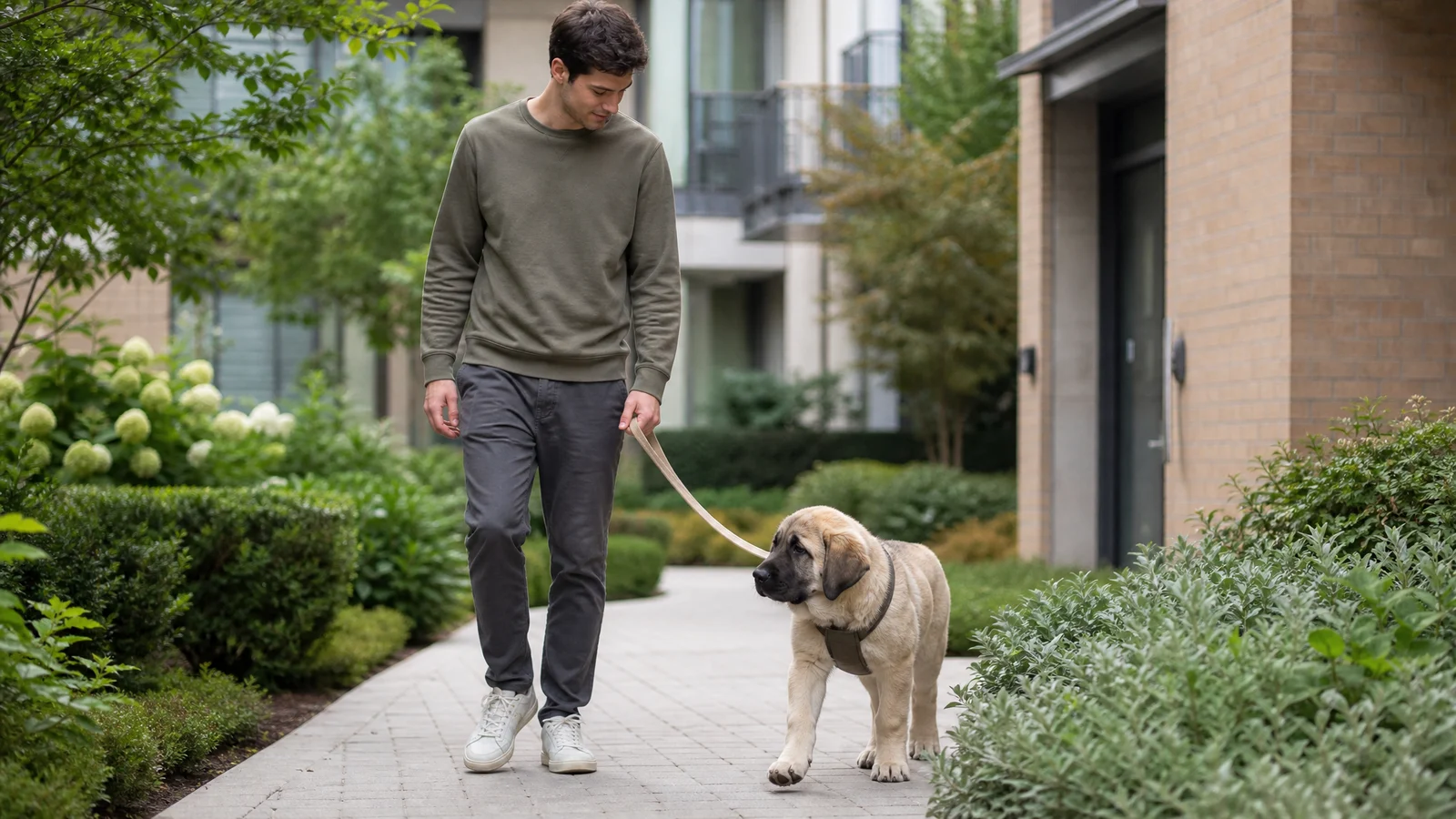 Training basicsLeash Training an Anatolian Shepherd Who Pulls and Lunges
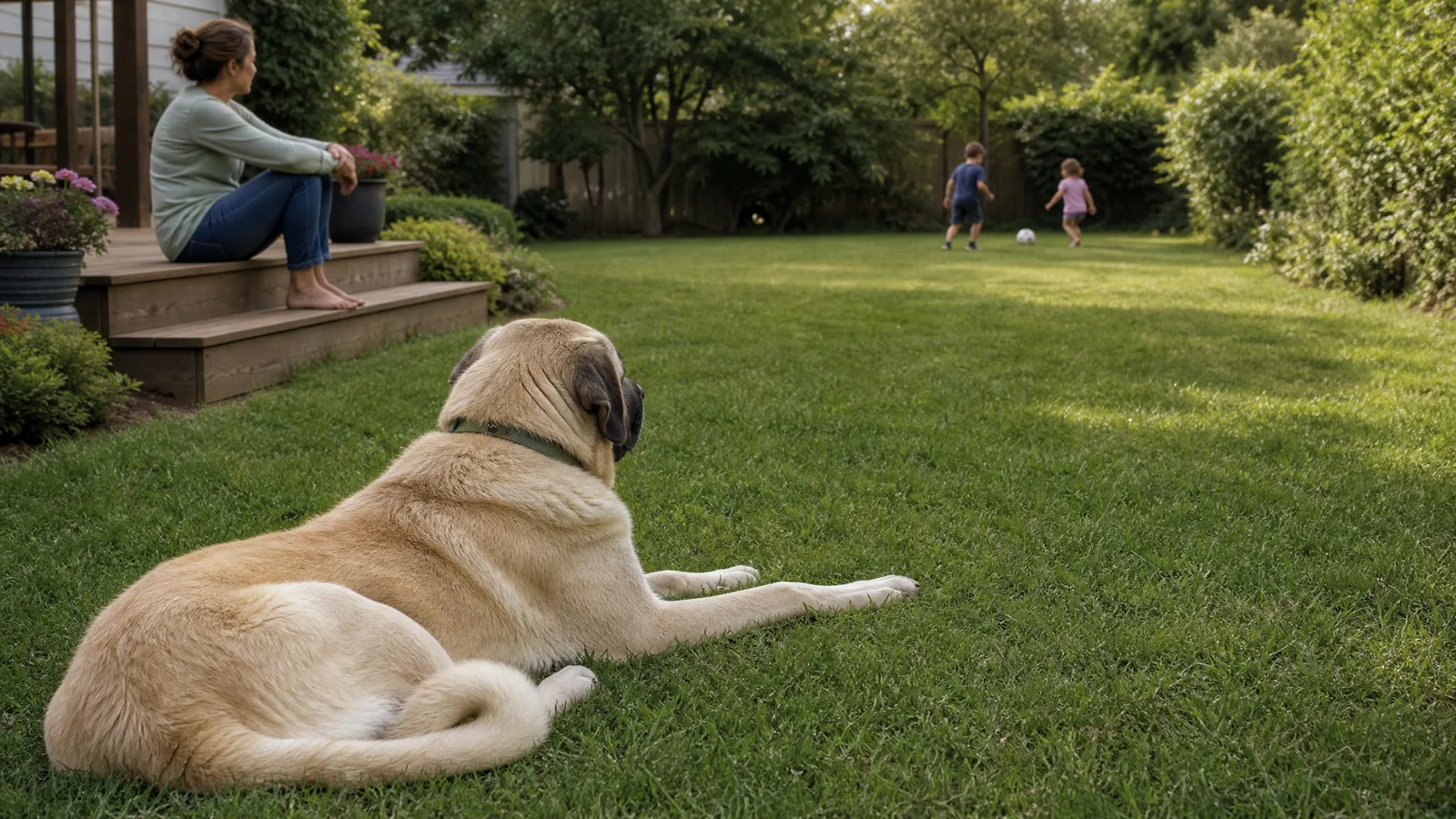 BehaviorSocializing an Anatolian Shepherd With Kids, Dogs and Strangers
 BehaviorAnatolian Shepherd: Guarding food and space