
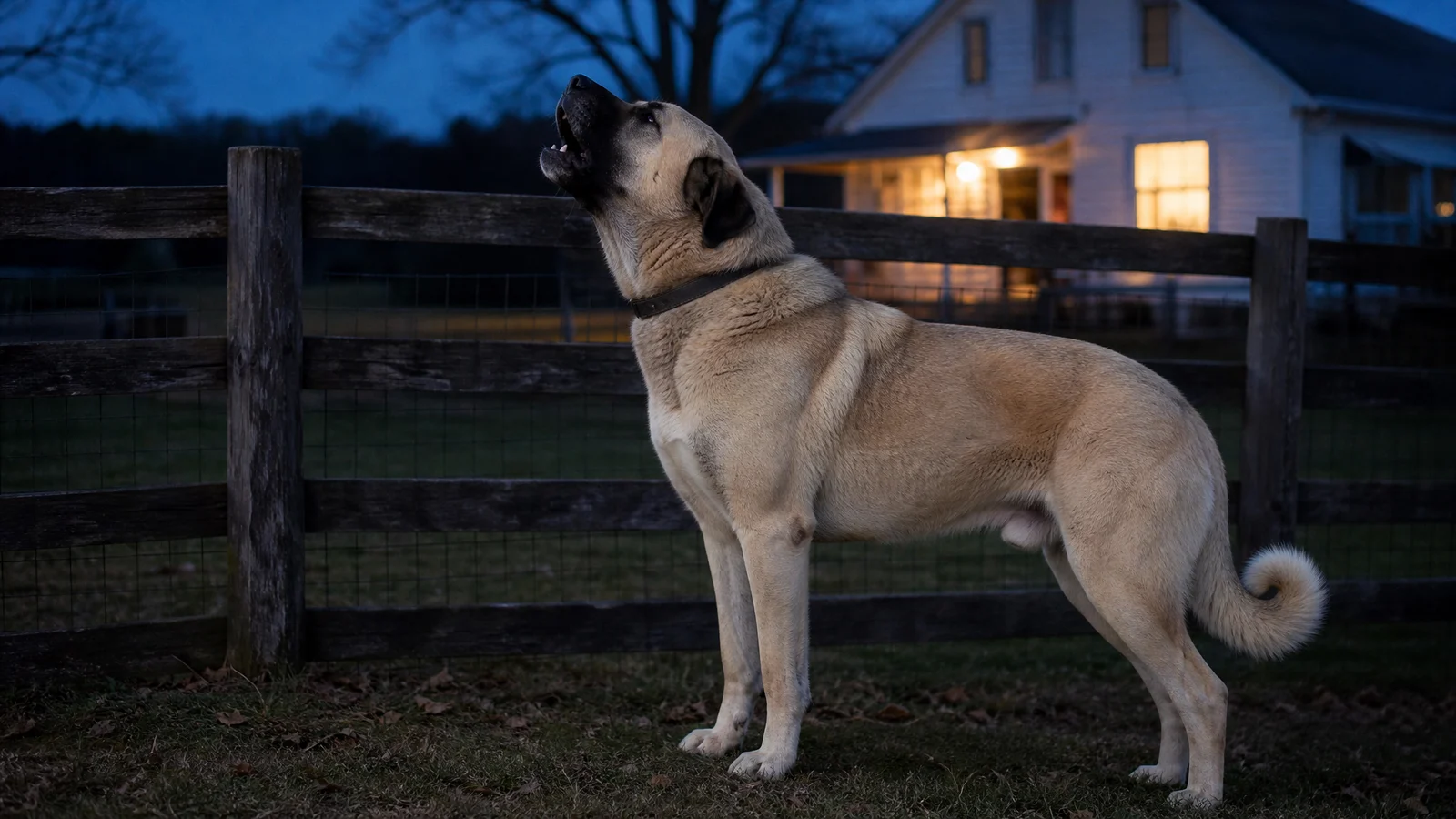
Some Anatolian Shepherds give a single low warning bark at dusk, walk the fence once, and lie down until morning, while others patrol the same line for hours and boom at every rustle until the sky lightens. Same breed, same inherited job, and very different nights for the people living nearby. So what separates the two?
The gap usually has less to do with temperament than with what each dog can see, hear and reach after dark, and whether anyone has given the barking somewhere useful to go. We specialize in the behavior and training of this one breed, and those variables often matter a great deal.
Below, you'll find how purposeful alerting differs from nuisance noise, how the breed compares with a look-alike guardian, and why the volume climbs after dark, including puppy habits, reward-based quiet and what to tell your neighbors.
Night Barking Versus Nuisance Barking
Not every bark after dark means the same thing, and learning to tell the kinds apart is the first practical skill you need. One kind is the job being done. The other is noise with nothing behind it.
The parent club describes these guardians as dogs who alert you when something is out of the ordinary, and that idea makes a useful test. The breed's barking level is 3 of 5, the middle of the scale, so a healthy Anatolian is neither silent nor a constant talker. A dog who never stops deserves a closer look at their whole day, not only their nights.
The ASPCA points out that barking serves many functions, which means your first job is working out what yours is for. A few quiet minutes at a window, watching without speaking, usually settles it:
- A purposeful alert has a fixed direction and a stiff, forward posture, with pauses in which the dog stops to listen before barking again.
- An alert ends once the cause leaves, often with a walk to the spot and a slow, unhurried return.
- Nuisance barking is steadier and more rhythmic, aimed at nothing in particular, and it carries on after anything has passed, often with pacing, digging or glances back at the house.
- Restless barking tends to follow an empty day. A gap in exercise, things to do and company gets filled with noise, because a bored dog has to spend that energy somewhere.
Many dogs mix both. A genuine alert can harden into a habit that outlasts its trigger, and that is the point where boredom takes over. A sudden change in how much or how differently your dog barks is worth a call to your veterinarian, and regular checkups are a good idea either way.
Anatolian Shepherd Barking Ratings
The useful comparison is between the Anatolian Shepherd's own breed ratings. Barking sits at a moderate 3 of 5 while watchdog and protective nature sits at 5 of 5, so the question is what happens after an alert.
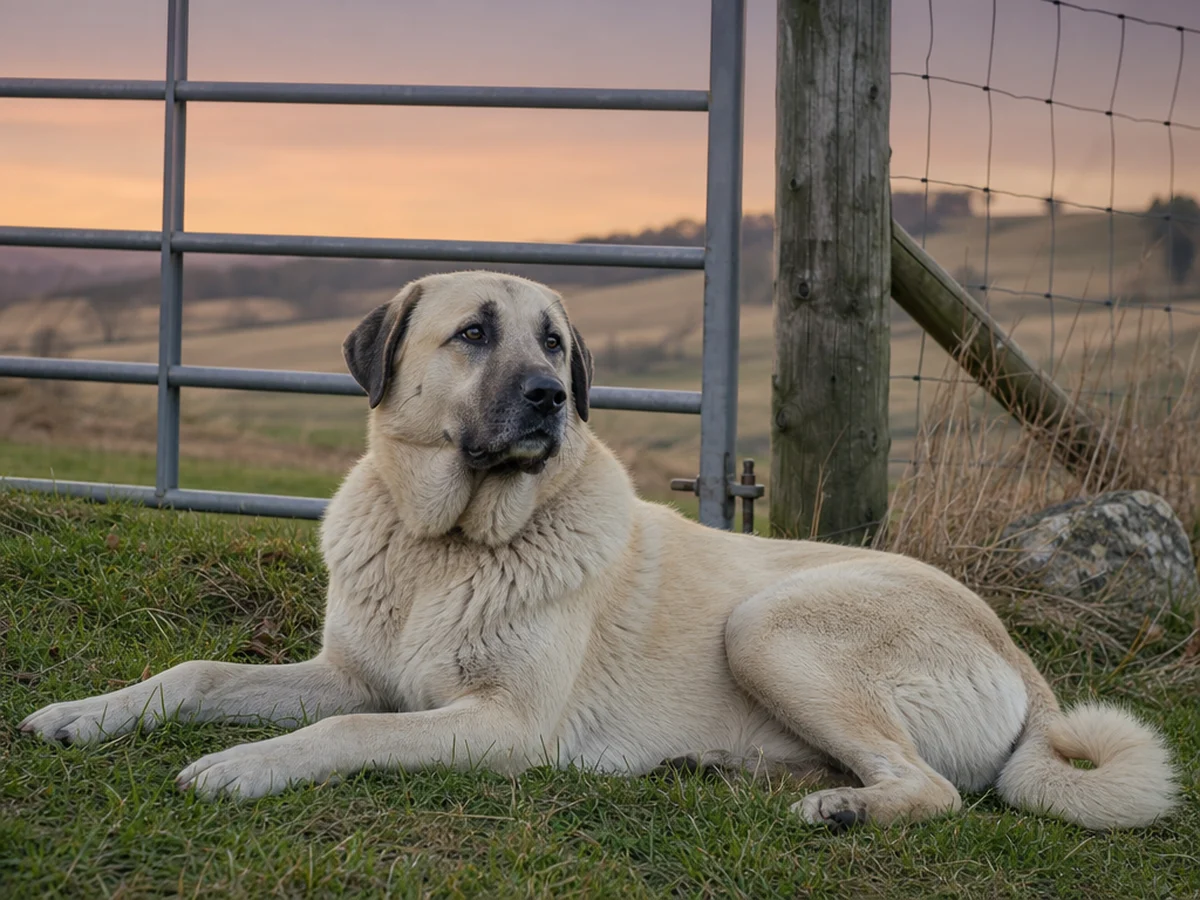
What the two share is a livestock-guarding past, and with it a habit of watching the property and speaking up when something seems wrong. What you should not assume is that a look-alike's schedule or volume will transfer. The Anatolian's own ratings describe a dog who can stay quiet for long stretches and then act decisively, with a barking level of 3 of 5 sitting beside a watchdog and protective rating of 5 of 5, the vigilant end.
Two other ratings shape the night. Openness to strangers is 1 of 5, reserved, so a passerby on the sidewalk registers as something worth reporting. Affection with family is also 1 of 5, independent, which tells you this dog will make their own call about a noise before turning to you for advice.
So plan for the dog you actually have. A dog who never alerts is not a realistic goal with this breed, but a dog who alerts once, checks, and stands down very much is.
Why Does the Barking Peak After Dark?
Watch an Anatolian through a full day and the contrast is plain. In daylight they often lie in the shade, apparently half asleep, taking in the property with one eye. After dark the same dog gets up, walks the boundary and puts nose and ears to work, and the barking comes with that patrol, so it can feel as though a different dog has taken over the yard.
Jennifer Floyd notes that dogs of this type keep predators away and alert the owner if something is out of the ordinary. The club's history adds that in the 1970s the Endangered Species Act set off a search for ways to control predators without killing them, and researchers found dogs like the Anatolian guarding flocks.
Actual battle is rarely required. The dog's presence does most of the work, and barking is the loud half of that presence, telling whatever is out there that the place is watched. Their bar for out of the ordinary does not move at sunset. Far more things simply clear it.
Sounds That Carry
Once traffic fades and neighbors go indoors, distant noises stand out against the quiet. A door closing down the street, a car idling, a late dog walker: none of it is special, but a guardian counts each as worth a remark.
Sudden sounds provoke more than steady ones. A fan or other constant background sound near the dog's bed softens the sharp edges that tend to set off a run of barks.
Scents on the Night Air
Scents drift in from beyond the fence, and a nose built for noticing trouble at a distance picks up trails long before you see anything. Your dog may bark at a spot that looks empty to you, and the cause is entirely real to them.
Wildlife on the Move
Wildlife is the oldest trigger and the one this breed was developed to answer. Many wild animals are active after dark, so the dog's night shift meets them head on. You will not stop the dog noticing, but you can stop inviting visitors by keeping trash, pet food and scraps well away from the fence line.
Puppy Yapping Versus Adult Anatolian Shepherd Barks
The sounds a young Anatolian makes are not a preview of the adult's voice, and your handling should shift as the dog grows. Track the pattern instead of predicting one fixed adult sound. Track the pattern instead of predicting one fixed adult sound.
A young puppy's noise is mostly chatter. It comes with play, with wanting company, or with a lonely moment in a new space, and it sounds higher, shorter and less purposeful. It fades when the puppy finds something else to do.
When the Guardian Voice Arrives
The guardian voice develops as the dog matures, but timing and sound vary. Watch your own dog rather than a calendar, and track which nighttime triggers precede each alert.
That gap is your window. With a puppy, you are soothing: give them a settled place to sleep, reward the quiet moments in the evening, and stay close when they are outside after dark so they do not rehearse barking at every sound without anyone noticing. With a maturing adult, you are guiding a guardian. Acknowledge the alert, look at what they are looking at, and reward the pause that follows.
A puppy who learns that quiet pays and that you handle the big events will usually grow into an adult who alerts and then glances back to you. That second look is the habit you are building. Trainability for the breed is rated 2 of 5, so expect to repeat these small steps patiently rather than hope one session settles it.
Anatolian Shepherd Barking Pause Practice
Start by identifying the trigger, reducing what the dog can see or hear, and rewarding the first pause. This gives an independent guardian a clear alternative after the alert.
The approach that suits an Anatolian removes what sets the barking off and pays the dog for calm. That gives the guardian a repeatable job after each alert.
Rewarding the Pause
Because the barking has a purpose, the goal is not to erase it. The goal is to teach that a short, clear alert is enough and that calm afterward pays well. Try this on an evening when the dog is likely to alert:
- Let the first few barks happen, since cutting off an alert before the dog has checked leaves them more worked up.
- Walk calmly to the dog's side and look at what they are looking at, so they know you have noticed.
- The moment there is a pause, say a marker word and offer a treat right where the dog is standing instead of pulling them away.
- Reward each quiet breath that follows, lengthening the gaps a little at a time.
- Finish by guiding the dog to their bed with a chew or a food puzzle, and reward settling there.
The pattern over days is what teaches. Alert, pause, reward, settle becomes a routine, and the pause tends to arrive sooner each time.
Shrinking the Night's Triggers
Walk the boundary at your dog's eye height and look for the gap where headlights sweep through, the corner where a porch light snaps on, and the gate where passersby appear. Solid panels or planting can cut off the worst of those views, and it helps to move the bed away from the busiest boundary.
Then fill the evening. A walk before dusk, a scent game and a meal from a puzzle feeder do more for night calm than anything said from the porch, and scent games and puzzle feeders are a standard answer to boredom barking. Mental stimulation needs and energy are both rated a moderate 3 of 5, so a short session usually takes the edge off.
Neighbors Who Hear the Barking Versus Neighbors Who Know
The same bark lands very differently depending on what the person hearing it knows. A neighbor who hears a deep voice at midnight with no context may assume neglect or trouble. A neighbor who knows what your dog is doing is far more likely to shrug and go back to sleep.
So tell them. Explain that your Anatolian is a livestock guardian breed who alerts when something is out of the ordinary, share how to reach you if the barking runs on, and thank them when they speak up. Goodwill built early is worth more than any apology later.
Then cut down what your dog has to react to. Start with the triggers you can change tonight.
- Check sight lines from the dog's eye height and block views of the sidewalk, the street or the neighbor's yard where movement sets off alerts.
- Choose a sleeping spot closer to the house and away from the fence, so the dog hears and sees less of what passes.
- Avoid leaving the dog alone with the whole property all night, since open access gives them more to patrol and more to announce.
- Offer an enclosed, calm area for the darkest hours, with an outing at dusk and again at first light.
Tell neighbors what the barking means and what you are changing. Clear communication gives them context for the work.
Quieter Nights, Not a Silent Anatolian Shepherd
Several related training questions follow from quieter nights. The first is how to get a dog settled for the night in the first place, and the daily habits behind that are laid out in the complete Anatolian Shepherd training guide.
The second is whether barking in an apartment is a different problem, and the wider picture of noise and instinct is covered in Anatolian Shepherd behavior problems. The third is how the same watchfulness plays out at the door, which you can read about under visitors and strangers at home. If you keep stock, living with an Anatolian Shepherd explains why the night shift is the dog's real work.
The answer underneath all of them is the same. The Anatolian Shepherd was made to watch through the night, so purposeful barking can be shortened but never fully erased, and a dog who never spoke would not be doing what they were built to do.
Give them fewer things to react to, enough exercise and mental work by day, and a reward for the pause that follows a good alert, and keep up regular vet visits in case a sudden change has a physical cause. Do that, and you will most likely end up with the dog from the start of this article, the one who gives a single low woof, makes the rounds, and lets the street sleep.
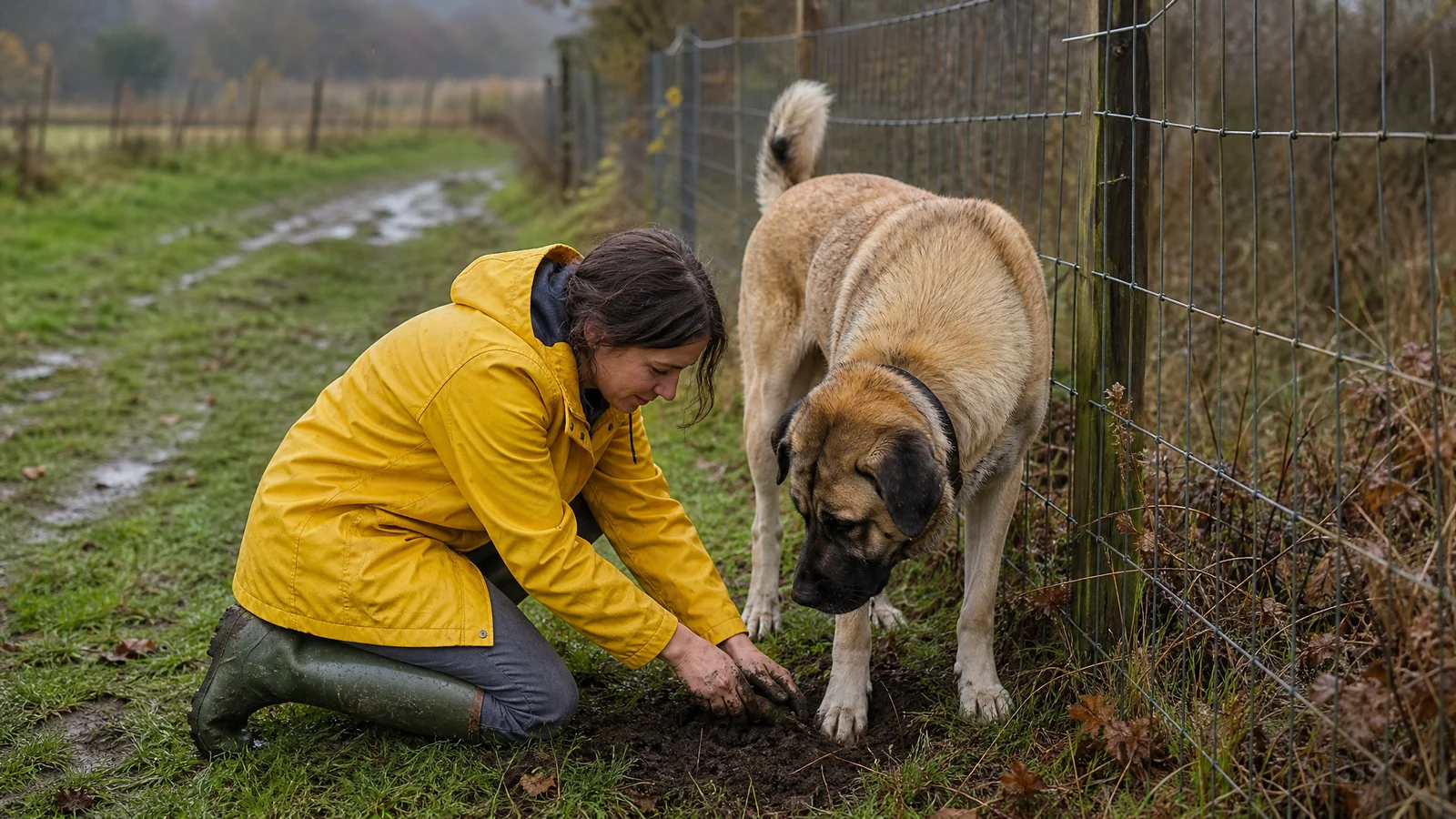 Exercise and jobsFencing, Roaming and Digging: Keeping an Anatolian Shepherd Home
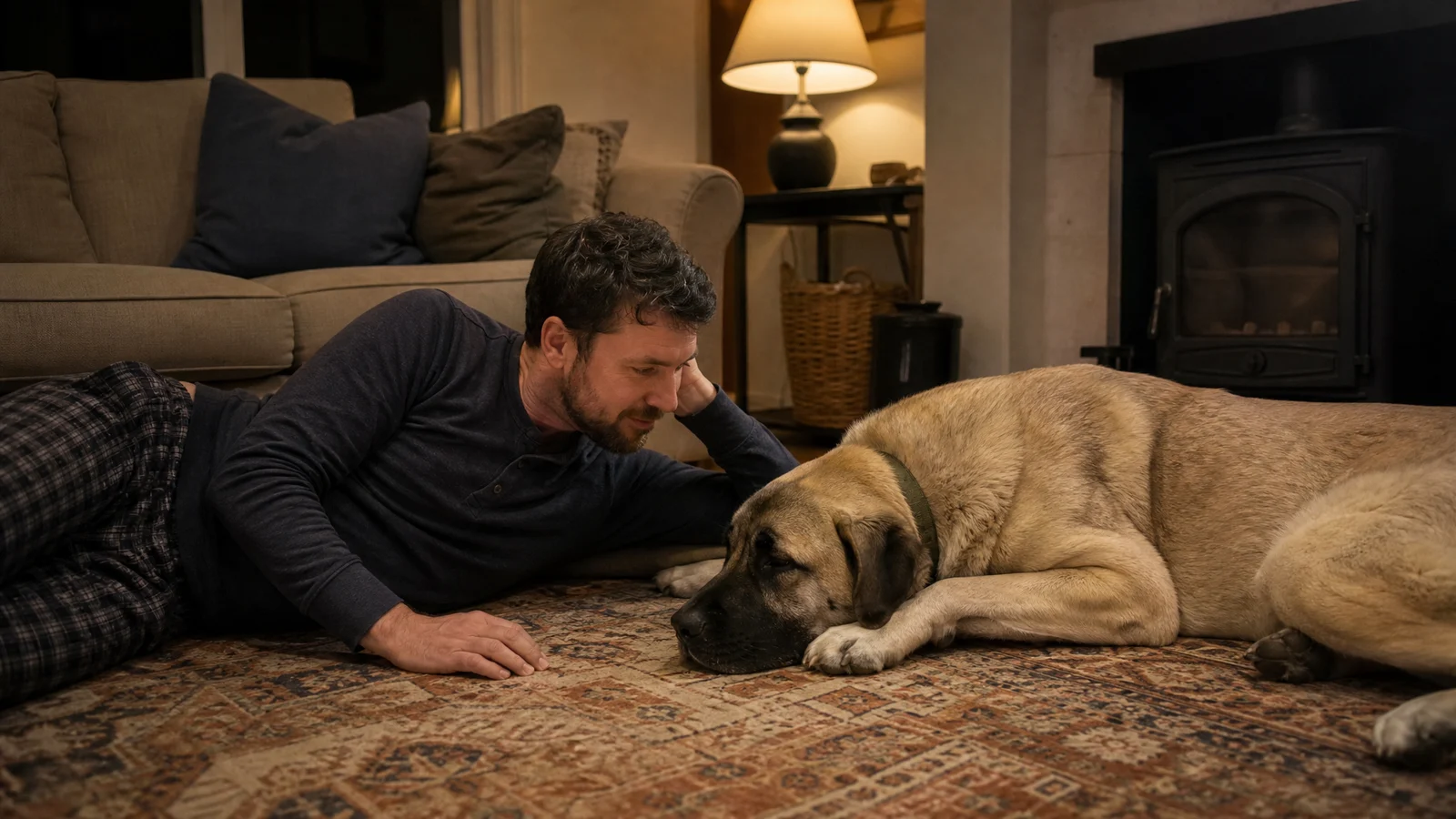 BehaviorTeach an Anatolian Shepherd an Off Switch
 BehaviorAnatolian Shepherd Guard Dog: Visitors and Strangers at Home