
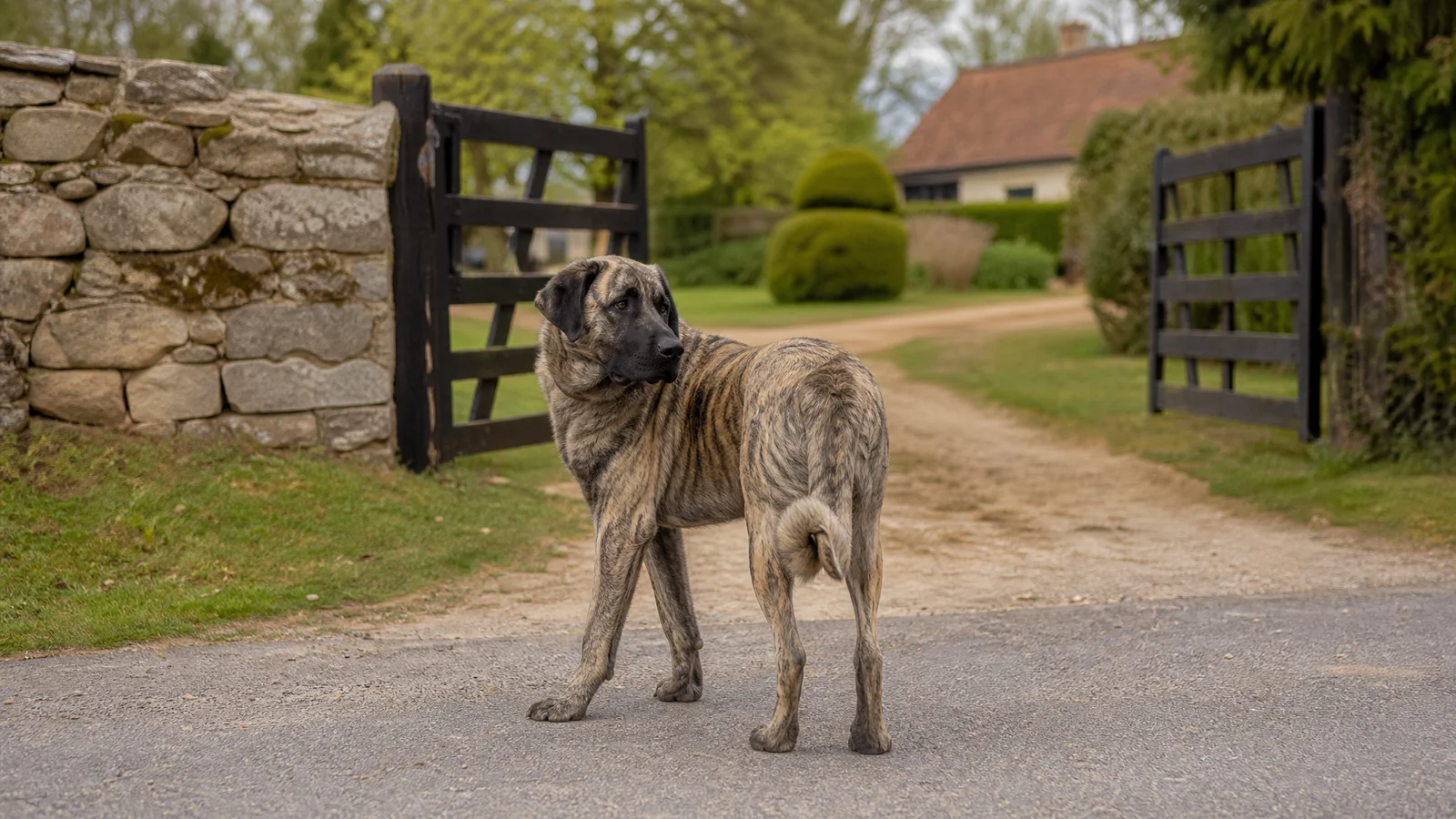
Some Anatolian Shepherd owners go years without their dog so much as glancing at the fence line. Others find the same breed standing on the road shoulder or in a neighbor's pasture, calm as if they belonged there. Both dogs carry the same guardian instincts, so what separates them is usually the yard, not the dog.
This article looks at roaming and escaping as a problem of setup. You will be able to check your fence and gates, remove what invites a climb or a squeeze, and reward calm time near the boundary and coming away on cue. It matters because a loose guardian, bred to judge danger alone, meets traffic and strangers with nobody to help. Our work focuses on Anatolian Shepherd behavior and training. In practice, the same few weak points appear in yard after yard.
Anatolian Shepherd Roaming and Escaping
Escapes sort into three recognizable patterns, and each points to a different repair. Work out which one fits your dog before you change anything, because the cause decides the fix. Some dogs show more than one pattern.
The Over-the-Top Climber
This dog scales or leaps the fence, usually from a launch point. A woodpile, a doghouse or a bank of soil can turn a fence that is too tall into one that is not, and a dog who clears it once learns that it can be done. The cause is almost always a boost plus a view worth reaching.
Remove the boost first, then make the fence harder to scale in the stretches where the dog has tried. Teach a cue for coming away from the fence, covered below, so the dog has a rewarded alternative to the climb.
The Dog Who Goes Around
This dog works along the line until something gives. The usual culprits are a corner where two fences meet, a loosened post, a dip under the bottom rail or a gate that sags. A dog who finds one weak spot returns to it, because the spot has already paid off.
Repair the spot properly instead of patching it, and recheck it after rain or storms. A patch that only half holds teaches the dog to push harder.
The Dog Who Leaves When Something Stirs
Some dogs stay home all day and leave only when something happens outside, such as a delivery truck, a passing dog, or stock and people along the boundary. The escape is how their response to that trigger ends. Behaviorists call the distance at which a dog can stay calm the threshold, and inside it the dog begins to react.
Widen that distance by screening the busiest stretch at the dog's eye level, and keep the dog inside during the hours when traffic peaks. Where barking is part of the pattern, a quiet cue taught with a steady stream of tiny treats takes several days or more to learn, so keep sessions short and patient.
Roaming and Escaping Payoffs
Most escapes start with something in the yard that gives a dog a boost or a reason, and both can be removed. Walk the yard looking for the features below. A fence that looks tall from your back door is only as tall as its lowest stretch from the dog's side.
Boosts Beside the Fence
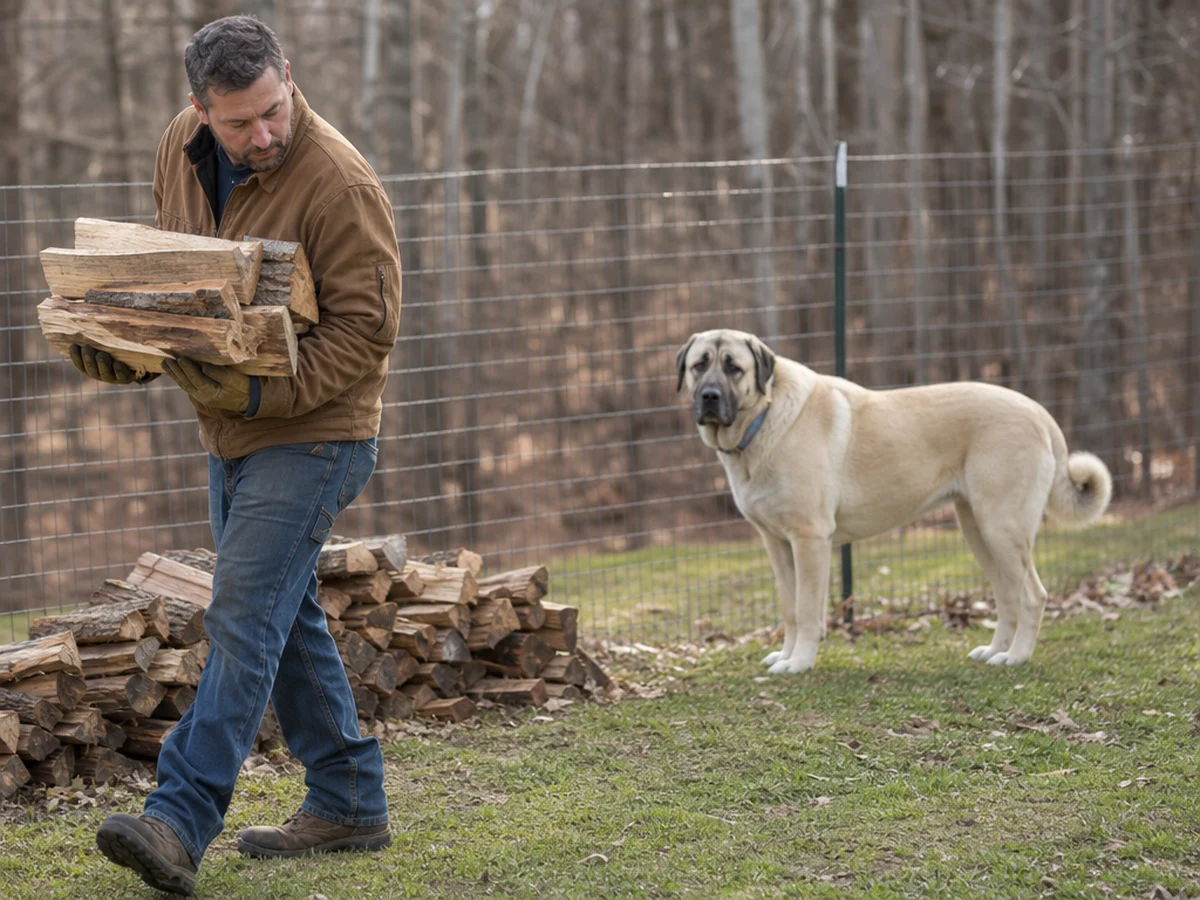
Stacked firewood, a doghouse, a deck, planters, trash bins, patio chairs and a grill all work as steps. A dog who reaches the first step often clears the rest, so a sound fence becomes a ladder once something sits against it.
Move these items well back from the boundary, or keep them where the dog cannot reach. If a deck meets the fence, raise the fence at that stretch or keep the dog off the deck while you are away.
Slopes and Raised Ground
Fence height is measured from where the dog stands, not from the base of the post. A bank of soil from landscaping, a raised bed or a natural rise along the line can leave the top within easy reach.
Level the ground or add height to the fence in those places. Check again after any grading, since new soil piled against the fence can undo a good setup overnight.
Traffic and Stock Beyond the Line
Foot traffic, vehicles and other dogs give a patrolling dog a steady supply of triggers. Animals next door may draw them even more, since this breed has guarded everything from sheep and goats to horses and poultry.
Screen the busiest stretch, and move the dog's favorite resting spot to the side of the yard with the least activity. A calm view is easier to ignore than a busy one.
An Empty Day in the Yard
Breed profiles rate the need for mental stimulation as moderate, not low. A dog with nothing to do inside the yard will find work at the fence, so a plain lawn with no activity can invite the very patrol you want to end. The daily routine near the end of this article addresses this directly.
Secure Daily Gate Traffic
Gates are where a clever, independent dog most often gets out without any climbing at all. They are also the part of the fence your household uses every day, so small habits matter as much as hardware.
A simple lever or thumb latch can be lifted by a nose or knocked loose by a shoulder, and a dog who succeeds once will try again. Use a latch that needs two movements, or add a second catch above the reach of a standing dog. A clip or lock suits gates you rarely open.
A gap along the hinge side or under the bottom rail only has to fit a head, and dogs often keep working until the rest follows. Close the gap with a board or panel, and check that the gate does not sag and swing back open.
Open doors, a gate propped for the mower and a delivery driver who forgets to latch all hand the dog a free exit. Self-closing hinges take habit out of the picture, and a sign asking visitors to latch the gate helps. Teach your dog to wait while a gate opens and closes, and reward each pause with a treat tossed back into the yard.
Anatolian Shepherd Boundary Practice
The plan runs in order. Change the setup, then reward calm behavior near the fence, then give the day a shape. Setup comes first because removing the invitation works better than reacting after the dog is out, and training moves faster once the dog can no longer rehearse the escape.
The Fence and Gate Check
Walk the whole line before you leave for the day and again after storms, landscaping or deliveries. Use this list:
- Walk the line at the dog's eye level and look for loose boards, rotting posts, bent wire and gaps wide enough for a head.
- Press on every corner and post, and check the bottom edge for dips where soil has washed out or been dug away.
- Clear anything climbable well back from the fence, including firewood, bins, planters, furniture, the grill and the doghouse.
- Look for slopes, mounds and raised beds that make the fence shorter on the dog's side.
- Test each latch so that the gate swings shut by itself, the catch holds with a push, and a nose cannot lift it.
- Crouch where the dog stands, note what they can see outside, and screen the most active stretch.
Taller Fence, Better Lookout
If your dog can still clear the fence after the boosts are gone, add height in the weak stretches and lean the top inward. A taller line with a lean is harder to scale than a plain one.
Then give the dog a better lookout inside the yard. A sturdy, low platform in the open yard gives a patrolling dog a place to survey, as long as it sits far enough from the fence that it cannot serve as a launch point. Place it where the dog sees the house and the yard more than the street, and reward your dog for settling on it.
Rewarding Calm Near the Fence
Teach these steps in short sessions, and expect many repetitions, since this breed answers cues more slowly than most. Raise the difficulty only after the current version is dependable.
- Pick a quiet moment with nothing outside. Say a marker word such as yes and give a treat, several times, until the word means a reward is coming.
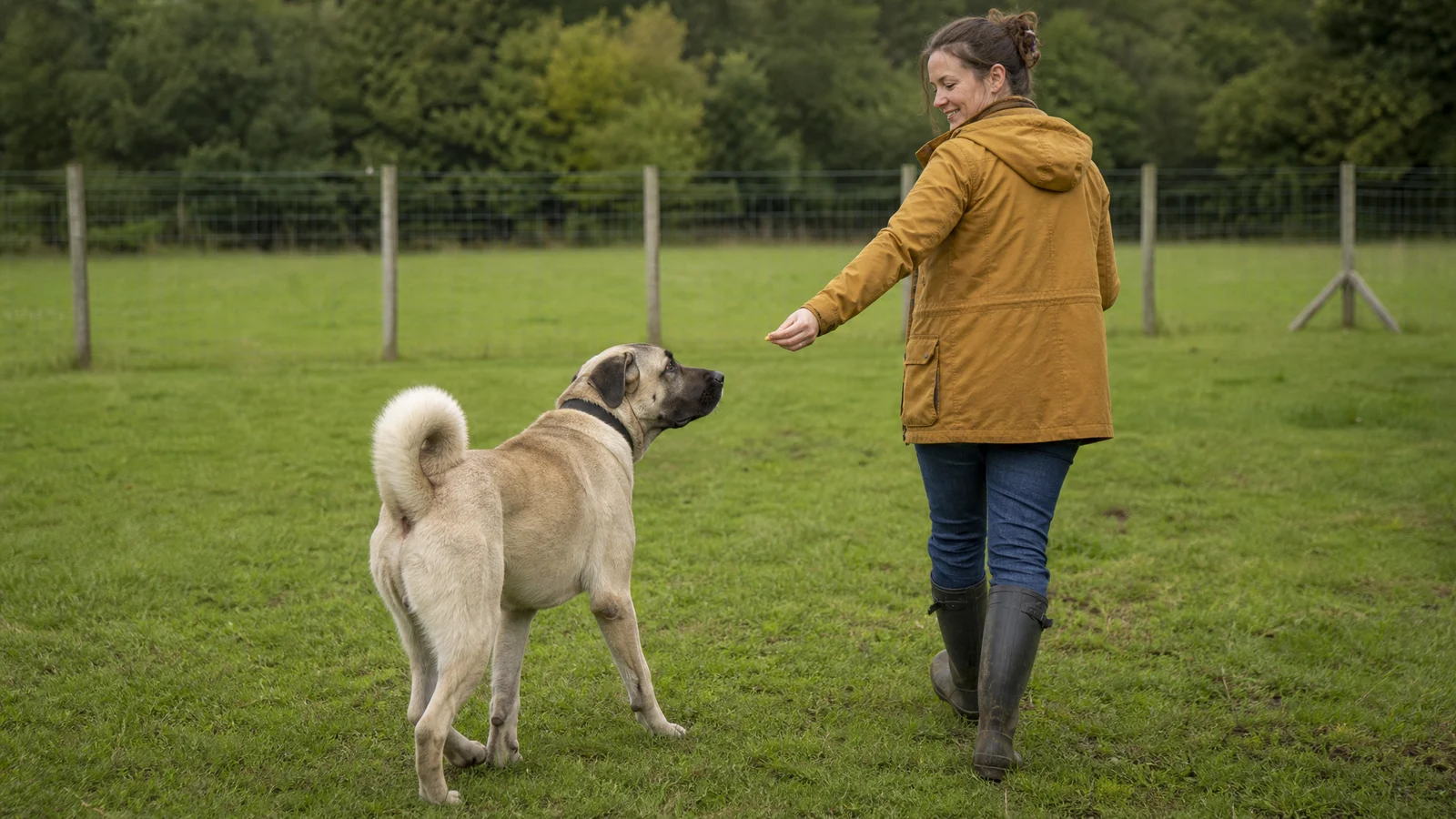
- In the center of the yard, say a short cue such as this way, toss a treat away from the fence, and mark and reward when your dog turns toward you. Repeat until they swing around at the sound of the cue.
- Move closer to the fence. When your dog stands calmly looking out, mark and reward, then toss a treat back toward the yard to draw them away.
- Add a helper outside, borrowing the approach a calm helper dog plays in reactivity work. The helper approaches only until your dog notices but does not react, then moves away while you reward. Give the cue before any barking starts.
- Shorten the distance over several days. If your dog reacts, return to the last distance where they stayed calm.
- Once the cue is reliable, let your dog go back to patrolling after each reward. Returning to the job is itself a reward.
A Daily Routine With a Job
A dog with something to do is less likely to look for a way out. Start the day with a walk or a sniffing session, then scatter treats across the open center of the yard, well clear of the fence. Leave a chew or stuffed toy on the side of the yard that faces the house. Reward-based training still depends on structure and routine, so keep the order of the day much the same.
If you will be gone for a long stretch, arrange a midday visit from a neighbor or sitter. In the evening, spend time at the fence rewarding calm looks and coming away on cue, then patrol the yard together and finish with a settle on a mat. Keep regular vet visits on the calendar as well, and mention any sudden change in restlessness.
Testing Roaming and Escaping Boundaries
A boundary that holds is built from the dog's point of view, not yours. Each change below removes either a route over the fence or a reason to go.
Start with height and the top of the fence. Fence height counts from where the dog stands, so add height along slopes and raised ground. Where the dog can still clear the line after the boosts are gone, lean the top inward in the weak stretches so there is nothing flat to grip and push off from.
Next, clear everything climbable. Firewood, doghouses, planters, trash bins, patio chairs and the grill should sit well away from the fence line, so nothing in the yard works as a step.
Then give the patrol somewhere to happen inside the yard. A guardian wants a view, so offer a lookout spot set back from the fence, with a clear sight of the yard and the house. Screen the busiest stretch along the street or stock line so fewer triggers reach them.
The lesson in all of this is that removing the invitation works better than reacting once the dog is out. A dog who has already left cannot connect a scolding to the fence, and coming home becomes less appealing. Fix the setup, reward calm near the boundary, and the dog has little reason to test it.
Anatolian Shepherd Recall After Escaping
Once the fence is sound and the day has a shape, a few related questions tend to follow. Each has its own article on this site.
- If your dog gets out and does not come back, Anatolian Shepherd recall and off-leash safety shows how to build a reliable response in small steps.
- If you want to give your dog more freedom beyond the yard, a check-in habit teaches them to keep returning to you.
- If fence barking bothers the neighbors, rewarding quiet builds a calmer response to people outside.
- If your dog stays wound up after a patrol, teaching an off switch helps them relax once the shift is over.
An Anatolian Shepherd will always check the edges of their territory, because guarding a boundary is the work their ancestors did for generations. The answer is to work with that drive and make leaving pointless.
A fence your dog cannot use as a lookout or a ladder, a gate that latches itself and a day with real work in it are what keep a guardian home. Fix the setup first, reward calm time near the boundary and coming away when asked, and the dog who once tested the fence will have little reason to try.
 Training basicsAnatolian Shepherds and Off-Leash Time: Building a Check-In Habit
 CareAnatolian Shepherd Shedding, Coat Blowing and Handling
 BehaviorAnatolian Shepherd Leash Reactivity: What Helps