
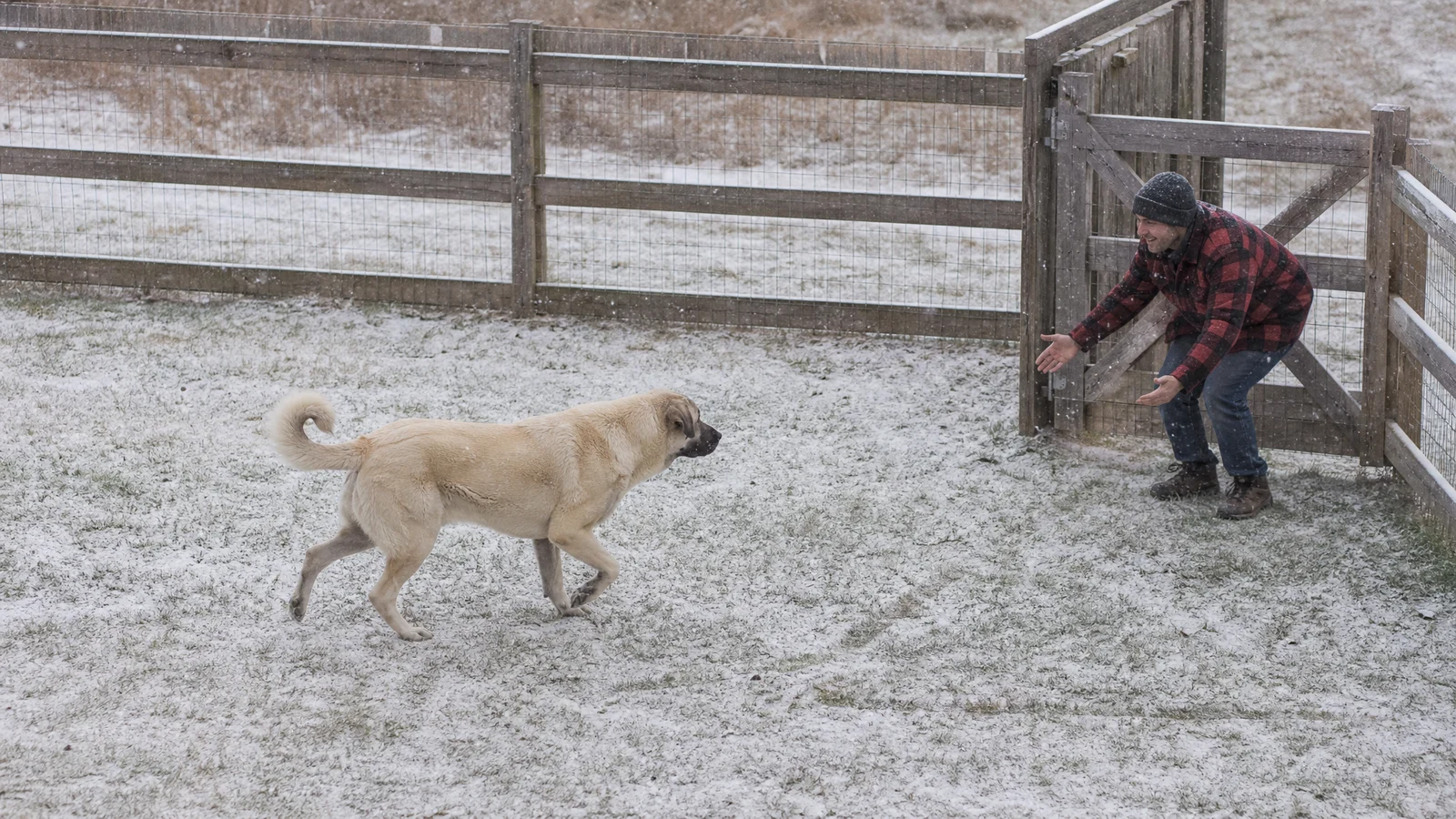
Most recall trouble starts the same way. The dog is at the far end of the yard, you call their name, then call again, then again, until come is one more sound drifting from the house. A dog allowed to ignore the word keeps their post, and every repeat makes the next ignoring easier.
The fix is smaller and closer to home. Ask once, at short range, with the dog on a long line, and pay something wonderful every time. Then stretch the distance over months, not days.
This article looks at recall in a breed made to patrol and decide alone, so you can build a dependable check-in at moderate distance, work through long line practice in clear stages, and judge honestly where a leash or fence still has to do the job. Handled badly, recall turns into a daily standoff. Handled well, it gives you a calm guardian who lifts their head from the post and chooses to walk over.
Why Anatolian Shepherd Instincts Work Against Recall
Watch a young Anatolian at the fence line near dusk. The head comes up, the ears turn toward a sound you cannot hear, and the body settles into a stance that says the dog is working. Nobody on a ranch would call that dog away mid-shift. The breed was developed for millennia to use independent judgment in response to perceived danger, and that judgment is the job, not a flaw.
The work is mostly presence, too. On working ranches, a guardian's mere presence is usually enough to keep predators away, and actual battle is rarely required. A good flock guardian holds ground, watches and decides. That is close to the opposite of dropping everything when a person shouts across the pasture.
So your recall asks a dog to leave a post that their ancestors were selected for keeping. The dog is not being defiant. Your word is competing with a drive far older than any training plan, which is why a quick, eager return feels unnatural to them.
There is a cost to waving this away. A young dog who learns that a noise at the boundary outranks your voice carries that lesson into adulthood, when they are larger and warier. The instincts behind common behavior problems are the same ones that shape recall, so plan around them from the first month.
How Independent Judgment Shapes Recall Training
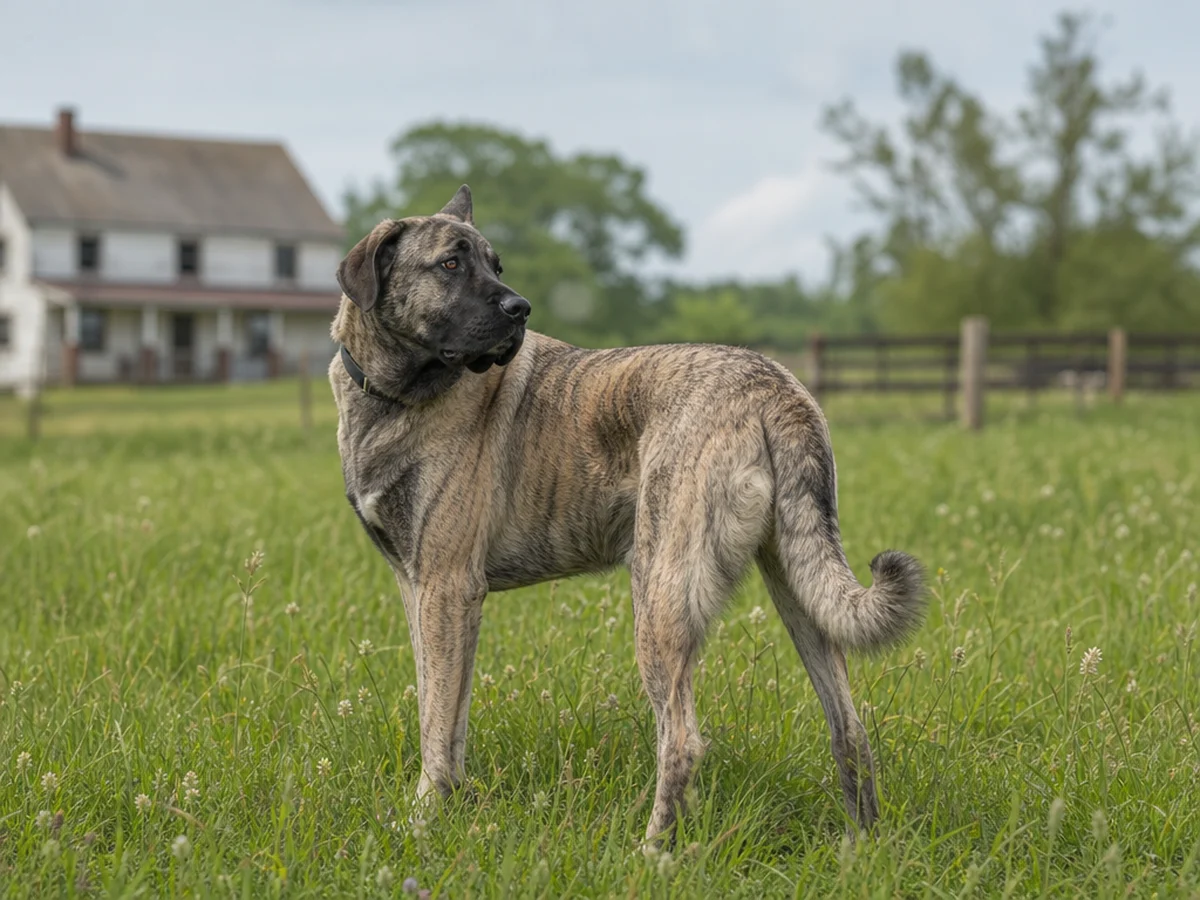
Call a young Anatolian and look at what happens before they move. There is a head turn, a pause, a glance back at whatever held their attention, and only then a decision. That pause is the dog weighing your call against their own read of the situation, and for this breed it is normal rather than a training failure.
What the Pause Tells You
Natural independence can make Anatolians slower to respond to cues than many breeds, so build patience and repetition into the plan. The same dogs are described as intelligent and tractable, and an experienced owner will find them trainable. The ability is there. What the dog is really asking is whether your cue is worth the trip, and every time you call, the reply they get should be a clear yes.
The breed standard adds a useful detail: animated, bouncy responsiveness is not characteristic of Anatolians, and overhandling is discouraged. Do not wait for a spinning, tail-wagging dash. A steady trot to your leg, with a calm face, is a success worth paying for.
Expectations by Life Stage
Think in stages, because a wrong expectation costs you later. In puppyhood you build the habit of turning toward you and being paid for it. In adolescence, expect that habit to wobble as the dog's opinions grow. At maturity, the breed is wary of strangers, which raises the stakes of every loose moment. Our complete Anatolian Shepherd training guide covers the foundation cues that sit underneath recall.
Reward-based work is not permissive. Dogs learn best with structure and a predictable daily routine, and the guidance should come without fear, intimidation or pain. For recall that means a daily routine, a long line and secure space, rather than hoping the dog works it out alone.
What Reward-Based Recall Builds in an Anatolian Shepherd
A good Anatolian recall looks modest. You speak once in an ordinary voice, the dog stops, turns and walks or trots to you, takes a treat, and is released to go back to what they were doing. No sprint, no drama, only a dependable check-in that you can count on in everyday conditions.
That reliability is strongest at moderate distance, in familiar places, with ordinary distractions. In your own yard or on a quiet trail with the line attached, it can become very good. It is not a guarantee against a perceived threat, a stranger at the fence or a fascinating scent, and you should plan as though it never will be.
The reward carries much of the weight. Pick something the dog really wants but rarely gets otherwise, and ideally keep it for recall only. For a calm guardian that might be a special treat kept out of daily meals, a brief game or a moment of quiet attention.
Pay every early repetition. Use your marker word as the head swings toward you, hand over the reward at your knee, then release the dog back to the interesting thing with a cheerful cue. The release matters because it shows that checking in costs nothing. A dog who learns that coming to you ends every good thing will start to hedge, and hedging is how a reliable recall quietly erodes.
Why Owners Keep an Anatolian Shepherd Leashed or Fenced
An independent, territorial guardian is safest inside a secure fence even when training is solid. The same containment logic applies in a yard and on a trail for several reasons.
- The standard describes a highly territorial, instinctively protective dog, and territory is a moving target when the dog decides where it ends.
- Reserve around strangers and off their own territory is acceptable in the breed, so a loose dog meeting an unfamiliar person is a risk that no recall can fully cover.
- Judgment in response to perceived danger means you cannot predict which moment will outrank your voice.
- Guardians have worked with sheep, goats, horses, cattle and poultry, so their feelings about other animals may not match yours.
- A patrolling dog covers ground, and a road or a neighbor's property is often closer than it looks.
The trade-off is simple. A fence and a leash cost some convenience but remove most of the risk, while a dog trusted too early can cost far more. Recall is a second layer of safety on top of containment and never a replacement. Our guide to Anatolian Shepherd fencing and roaming shows how to build that first layer well.
Long-Line Recall Practice, Week by Week
The early stretch of practice should feel almost boring. A long line lets you reward at a distance while every repetition stays safe, which is why a long training lead is a standard tool for outdoor recall work. The dog gets some freedom without complete free range, and you keep the ability to prevent a mistake.
Gear and Places to Practice
Clip the line to a well-fitted harness so nothing presses on the neck. Start in a fenced yard or quiet park with few dogs and no livestock, and repeat the same spots often so the routine feels familiar. The line is a safety net. Let it trail or hold it loosely, then bring the dog in with the marker word and a reward.
The Stages
Advance only when the dog answers cleanly at the current stage across several sessions. If they begin to hesitate, step back one stage without fuss. Moving on a calendar schedule is how recall falls apart.
- Begin indoors and in the yard at short range. Say the cue one time, mark the turn, and pay at your knee, always in quiet moments when the dog is relaxed.
- Let the line trail while the dog sniffs a few steps away. Call when they are only mildly interested in something, then reward generously.
- Lengthen the distance a little at a time. The line can grow to 20 to 30 feet as skills improve, which is plenty for most Anatolians.
- Add mild distractions such as new smells or a visitor sitting quietly far off, and pay more for success. Keep sessions brief, since a bored guardian tunes out.
- Change locations only after the old ones are solid, and begin each new place back at short range.
Fit practice around the dog's day. A dog who has had a good walk and some mental work, as in our Anatolian Shepherd exercise and brain games guide, concentrates better. Regular vet visits matter here too, because a dog in discomfort answers the same cue differently.
Is Off-Leash Recall Ever Safe for an Anatolian Shepherd?
Sometimes, but only under narrow conditions. For most of this breed's life, the honest answer is that the line stays on anywhere that is not completely enclosed. Free time inside a secure fence is a different matter from free time in the open, and the two should never be confused.
Conditions That Must All Be True
Treat these as a checklist with no skipped items. If one is missing, the line stays on.
- The area is fully enclosed, and you have walked the whole boundary looking for gaps and spots where the dog could dig under.
- Recall on leash is already flawless, because asking for it off leash before that sets the dog up to fail.
- Your recall has held in that very place, with distractions, across many long line repetitions.
- No stock, strangers or unfamiliar dogs are present or likely to appear.
- The dog is relaxed rather than on alert, and you are watching rather than doing something else.
Situations You Should Never Test
Do not test recall near roads, on unfenced open land, around poultry or livestock, or while guests are arriving. The same goes for any moment when the dog has just taken a post at the boundary. In those moments their own judgment will outrank your voice, and the result can be a lost dog or a frightened stranger.
Calm matters as much as the call. A dog who can settle, as in our guide to the Anatolian Shepherd off switch, is easier to recall because they are not already wound up when you ask.
Start Anatolian Shepherd Recall on a Long Line
An Anatolian Shepherd is a guardian who thinks for themselves, and that is not something to train out. What you can do is build a small, dependable habit of checking in, protect it with fences and leashes, and let it grow slowly across the dog's life stages. We specialize in how this breed behaves and learns, and the lesson repeats: steady, repeated success beats fast progress every time.
So today, do one thing. Clip a long line to your dog's harness, go to a quiet spot they know well, and call them once when they are not very busy. Mark the moment they turn, pay them well when they arrive, release them back to their business, and stop there. One easy, rewarded recall is a better start than a long session, and it is the first brick in a habit that can keep paying across the dog's life.
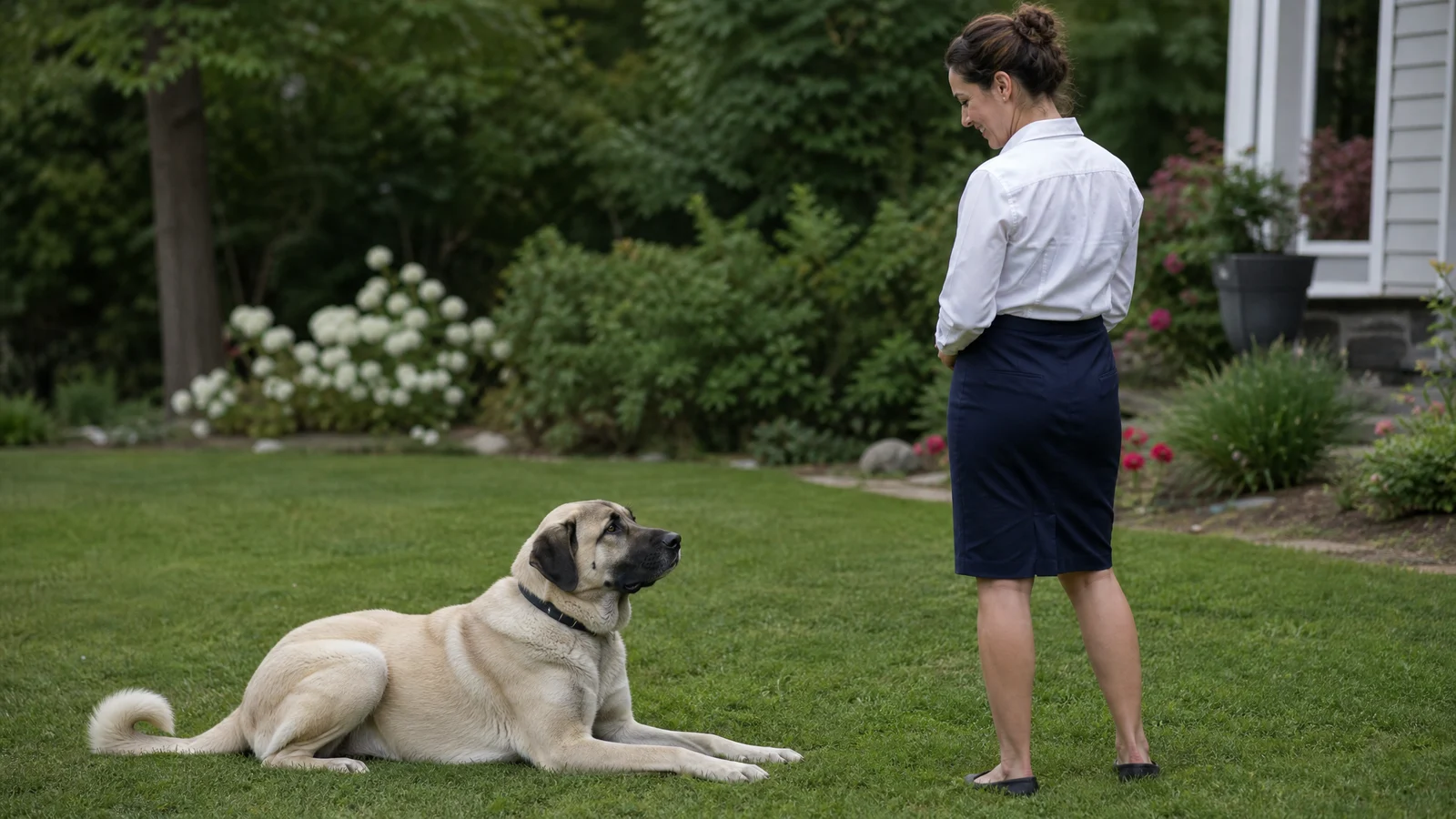 Training basicsObedience Training for an Independent Anatolian Shepherd
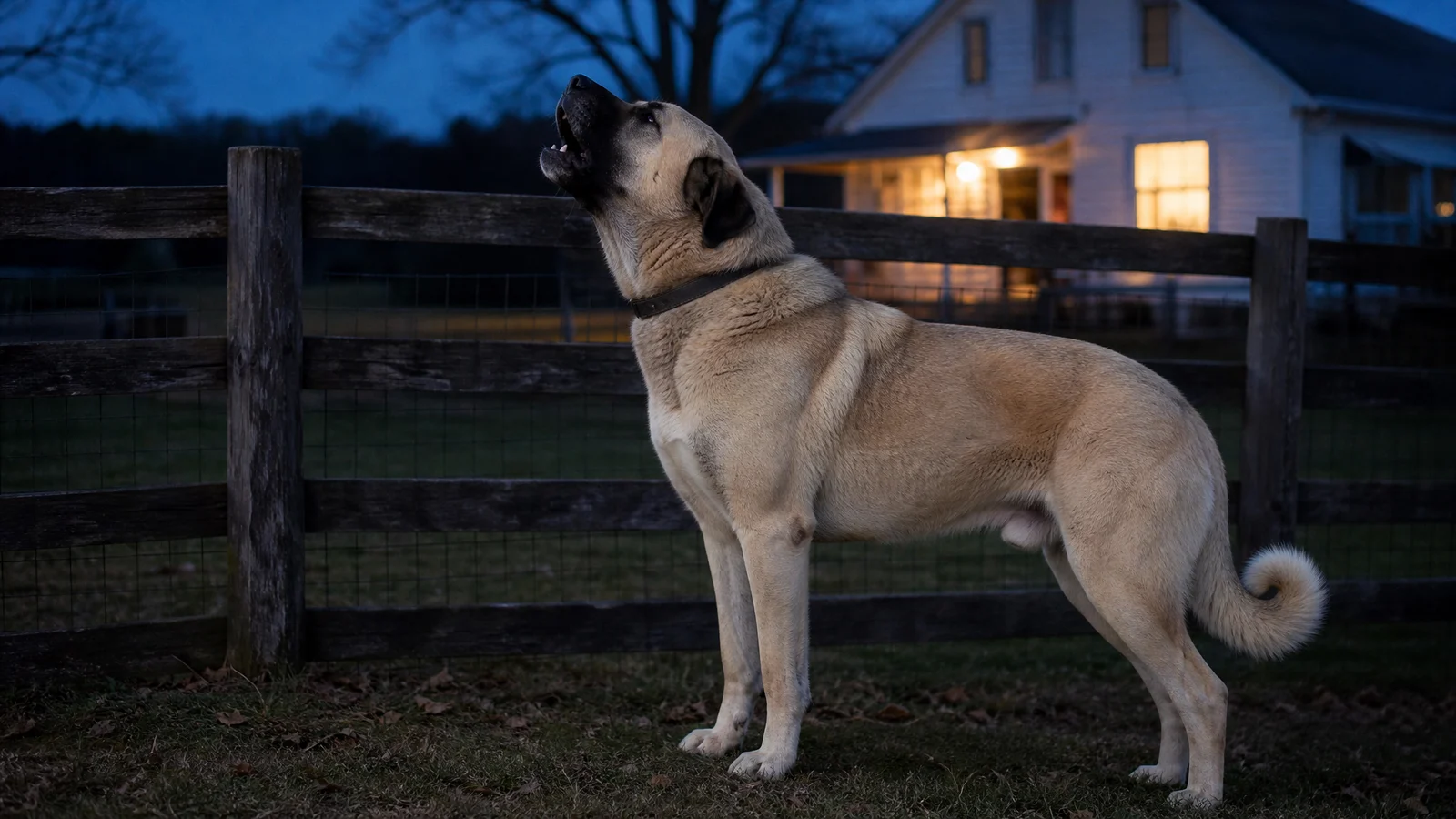 BehaviorWhy Anatolian Shepherds Bark at Night, and What Owners Can Do
 Exercise and jobsFencing, Roaming and Digging: Keeping an Anatolian Shepherd Home