
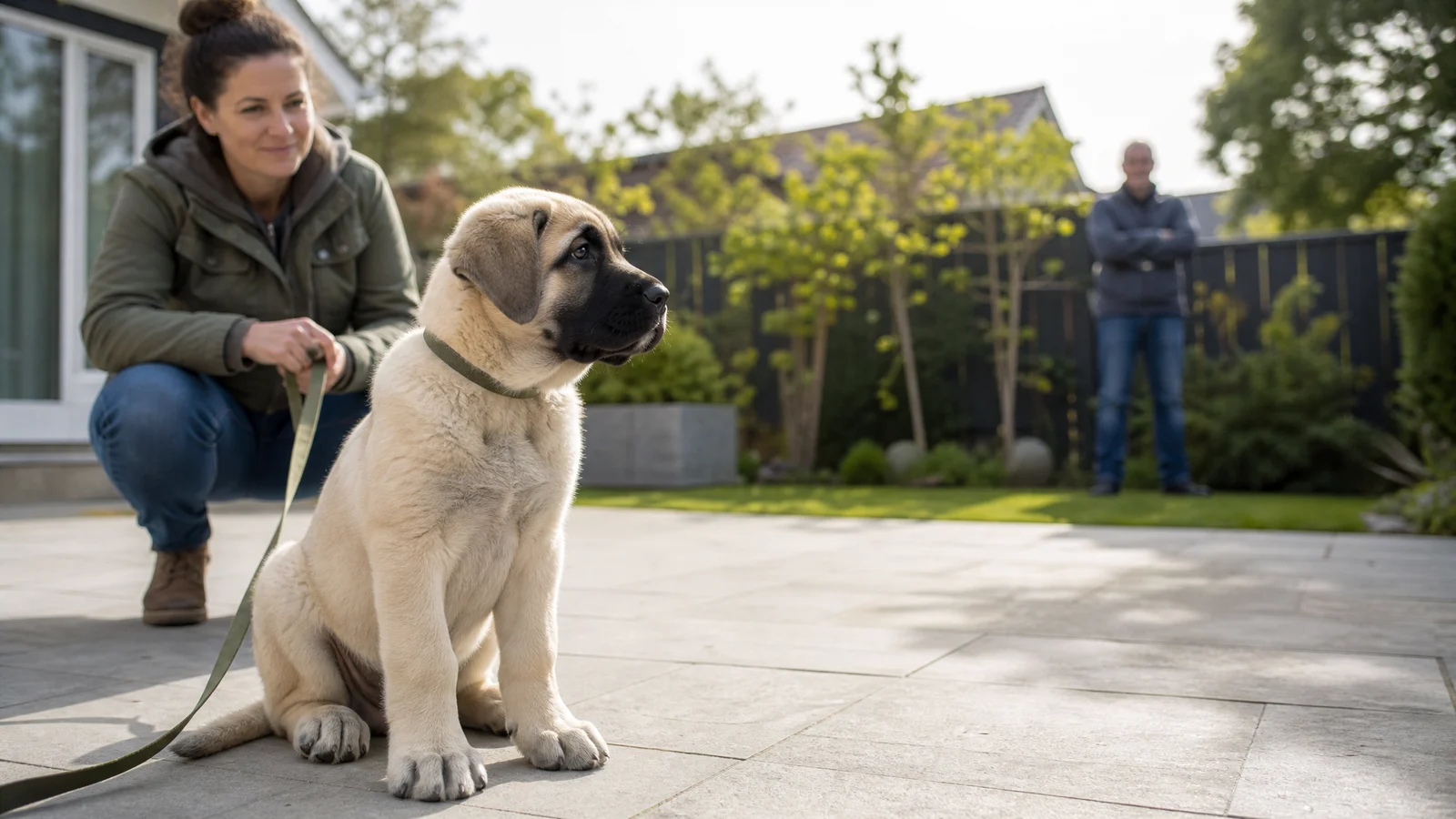
How do you socialize a puppy so a guardian dog ends up neither too friendly nor too fearful? The usual advice is to meet everyone and everything. For a wary, protective breed, that falls short. A puppy swarmed by strangers learns that people arrive fast and cannot be avoided, and a young guardian who learns that tends to grow more suspicious, not less.
We have trained this breed for many years, and the aim we teach is calm, not popularity. In this article, we'll go through the real goal, the early weeks that matter most, how to introduce people and places, and how to practice handling so vet visits stay routine. Done well, you get an adult who watches the ordinary world and settles.
Anatolian Shepherd Puppy Training Aims at Calm, Not Friendliness
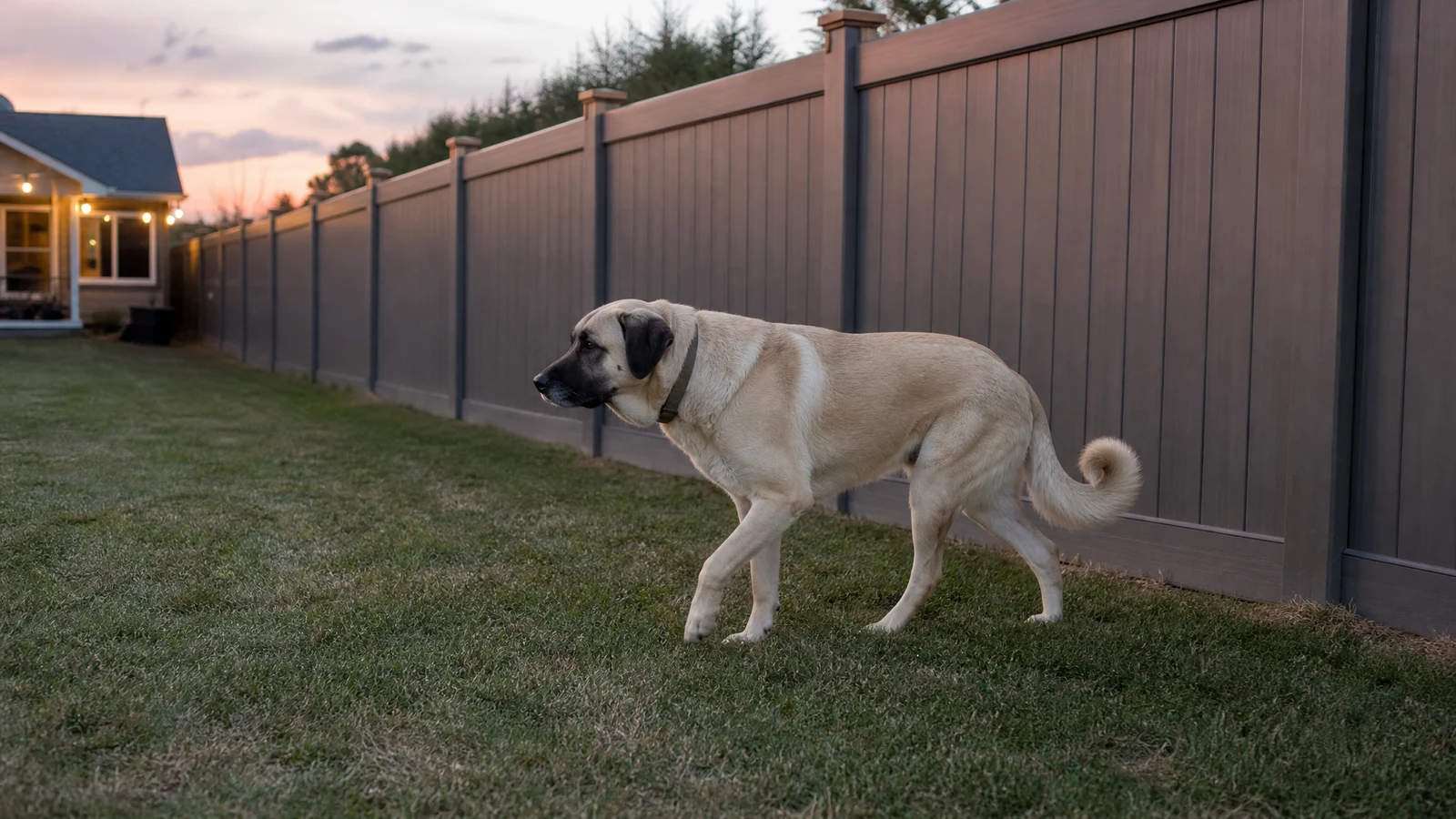
In the breed standard, the key words are instinctively protective, courageous, highly adaptable, highly territorial and natural guard. The same text calls the temperament calm and observant, and it accepts reserve around strangers and off their own territory. Reserve is part of the design. Your job is not to remove it. Your job is to keep it quiet.
The AKC adds that because the breed tends to be wary and protective, an Anatolian puppy must be socialized. Another registry describes dogs who are loyal and affectionate to their owners but wary of strangers when mature. So the target is a neutral, settled adult. A visitor walks in, the dog looks, decides nothing is wrong and lies back down. That dog is not cold. They are unbothered, and their warmth stays with the family.
The table compares three possible adults. Only the first is the goal.
| Adult | Reaction to a stranger | What it tells you |
|---|---|---|
| Neutral and settled | Looks, assesses, relaxes | This is the aim of every outing |
| Over-friendly | Rushes in, expects contact | Not needed, and hard to produce in a guardian breed |
| Fearful | Freezes, hides, barks from afar or bolts | The risk when socialization is rushed or skipped |
Skip the common advice to let every guest pet a new puppy. A guardian learns more from a stranger who ignores them than from a crowd that cuddles them. Calm comes from ordinary, uneventful encounters, and the sections below lay them out.
Puppy Training Leans on the Earliest Weeks
The parent club calls early socialization extremely important and asks for introductions to as many new experiences as possible, to help produce a secure and confident adult. For a wary breed, read that as many ordinary experiences in small doses, not a few intense ones. The earliest weeks do the heavy lifting because the puppy is still forming a view of what counts as normal.
Fear Periods Change the Pace
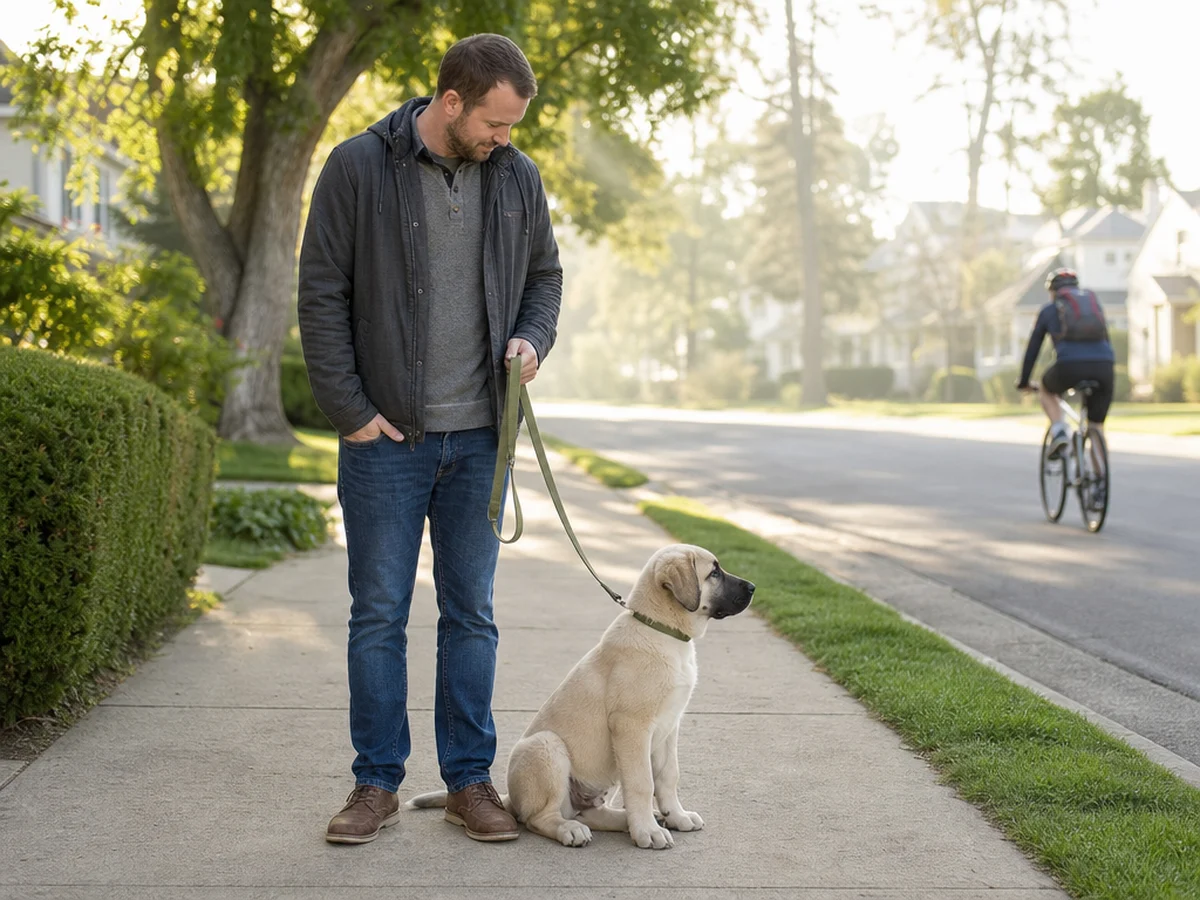
Most puppies pass through normal fear periods, one at roughly 8 to 11 weeks and another in adolescence starting near 6 months. A bad experience during the first may weigh more with a puppy who is still forming a view of the world. Keep socializing, but let the puppy set the pace. When a puppy leans away, widen the distance, wait, and try again later from farther off. Going slowly costs nothing. Pushing costs a lot.
A Frame for the First Four to Five Months
Use the table as a sequence, not a deadline. Each row builds on the one before, and a puppy who is unsure stays on the current row.
| Stage | Focus | Pace |
|---|---|---|
| Arrival through the 8 to 11 week stretch | Family, one calm visitor at a time, household sounds | Slowest, a fear period may fall here |
| Once the first fear period has passed | Yard, car, new floors, the street seen from far away | Brief trips that finish while the puppy is still happy |
| Months four to five | Quiet public spots, familiar guests repeated, handling routines, clinic drop-ins | Widen one thing at a time |
| About 6 months onward | Adolescent wariness may appear | Make exposures easier, not fewer |
Our Anatolian Shepherd puppy training timeline shows how these months sit inside the longer growth curve.
People Meet an Anatolian Shepherd Puppy on the Puppy's Terms
Visitors, family friends and strangers all follow one rule: distance first, short meetings, no reaching. A guardian puppy who walks up to a person by choice learns that strangers can be read and left alone. A puppy who is grabbed learns the opposite, and both lessons last into adulthood. Because reserve around strangers is acceptable in this breed, a puppy who simply watches is succeeding.
Give every visitor the same short script:
- Sit down, look away and ignore the puppy at the start of the visit.
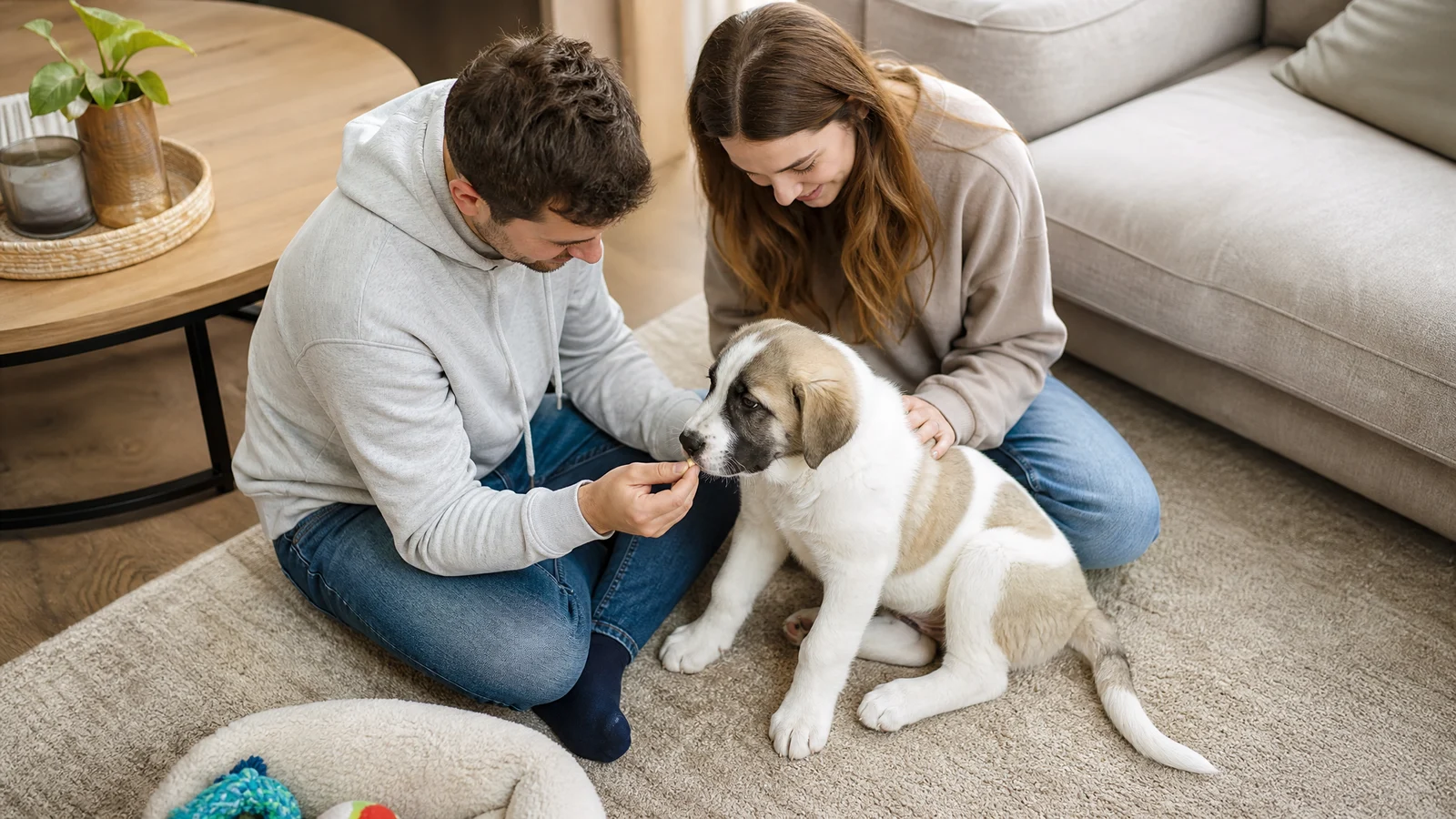
- Drop treats near your own feet instead of offering them by hand, so the puppy can approach or stay put.
- Stay quiet and still. No squealing, no leaning over the puppy, no scooping up.
- If the puppy retreats, let them go and do not follow.
- End the meeting while the puppy is relaxed, even if that makes it very short.
Repeat the same few friendly adults before adding new faces. Familiar people become background, which is exactly what a guardian needs. Strangers outside the home work the same way. Stand far enough away that the puppy notices a person yet stays loose, reward, then move off. Calm helper dog work uses the same logic: approach only until the dog notices without reacting, then retreat and reward before any reaction builds.
Children need their own plan because they move fast and reach for faces. Our full walkthrough for kids, dogs and strangers goes into the details.
Places Widen in Small Circles During Puppy Training
Widen the circle by one step at a time, starting from the yard. Independence shapes how you do it. The breed is described as naturally independent, and the parent club warns that puppies can be slower to answer cues. So do not count on a recall or a sit to rescue a bad moment. Count on distance, a long leash and short outings that end before the puppy tires or worries.
Do not wait for the last vaccine to begin. The veterinary behavior society says it should be the standard of care to socialize puppies before they are fully vaccinated. In practice that means controlled settings such as your home, a friend's clean yard or a quiet spot reached by car. Busy dog areas wait.
Climb this ladder, spending as long on each rung as the puppy needs:
- Yard and house: new floors, a ramp, wind, the vacuum and a dropped pan, each followed by a treat.
- The car: sit in the parked car with treats, then take short rides that end somewhere pleasant.
- The street from a distance: watch walkers and vehicles from a driveway or sidewalk edge at an off hour.
- Quiet public spots: an empty edge of a parking lot, gravel, wet grass, a slick floor.
- Busier places: only once the puppy stays loose and takes treats at the quiet ones.
Leave on a good note every time. Ending early beats staying long. When the puppy pulls toward people or away from them, our Anatolian Shepherd leash training guide covers the walking skills to pair with these trips.
This is general information, not medical advice. Ask your veterinarian which places and which dogs are safe while your puppy's vaccinations are in progress.
Puppy Training for Handling Turns Vet Visits Into Routine
An Anatolian Shepherd grows into a self-possessed adult, and a first exam on a dog who has never been touched calmly is a hard day for everyone. Responsiveness with animation is not characteristic of the breed, and overhandling is discouraged. So keep handling brief and matter-of-fact rather than cuddly, and build it in tiny pieces long before the exam table. Regular vet visits are part of good care, and this practice makes them easy.
Home Handling Steps
Work through these in order, a few seconds each, with a treat after every step:
- Touch a paw, lift it briefly and release.
- Look at the outer ear and lift the flap.
- Lift a lip and touch the gums.
- Run a hand down each leg, along the belly and to the base of the tail.
- Slide a finger under the collar, treat, release.
- Stand beside the puppy with an arm lightly around the chest, treat, release.
- Stand the puppy on a towel or mat that you will later bring to the clinic.
Stop before the puppy objects. Stiffening, turning the head away or mouthing hard means go back a step. Stopping is a calm, reward-friendly response, and it teaches the puppy that a polite signal works. Present brushes and nail tools the same way: show, treat, put away.
Clinic Drop-In Visits
Rehearse the clinic itself. Visit only to say hello. Sit in the parking lot and feed treats. Walk in, step on the scale, eat a treat and leave. Ask staff to greet the puppy only if the puppy approaches. Keep early visits short and boring. When a real exam day arrives, the building already means something good.
Flooding a Wary Puppy Teaches Fear, Not Confidence
A puppy who backs away is telling you the distance is wrong. Flooding means ignoring that message: carrying the puppy toward a stranger, holding them while a guest pets them, or leaving them in a busy place until they stop reacting. The puppy may go quiet, but quiet is not calm. A frozen puppy has learned that retreat does not work, and next time they turn to louder tools such as barking and lunging.
Why Forcing Contact Backfires
Wariness is the trait you are trying to soften, and force hardens it. Each forced meeting rehearses the idea that strangers are unavoidable and unpleasant. The risk is highest in the fear periods, when one bad experience may weigh more. The common advice to let a puppy face the fear and get over it suits a dog who bounces back. A wary puppy may not recover that way.
Recovering From a Bad Moment
If a moment goes badly, end it calmly. Walk away with the puppy, keep your voice flat and give them a quiet space and an ordinary day. At the next session, go back to an easier step with more distance, and reward each look and each return to you. Close the gap slowly. Tell guests and children the rules before they arrive.
If the fear hardens into barking or lunging at the same trigger, our article on Anatolian Shepherd behavior problems explains the instincts behind it.
Signs Socialization Is Producing a Calm Anatolian Shepherd
Judge the plan by recovery, not by how many people the puppy likes. A dropped pan or a delivery truck gets a look, a pause and a return to normal. A passerby on the sidewalk gets a relaxed watch, a treat and a lie-down. Paws, ears, mouth and the vet exam become routine, and the puppy may even lean in. These match the calm, observant dog the standard describes. Progress is slow with this breed, and slow is normal.
Some signs mean you should call a qualified trainer or veterinary behaviorist, and ask your veterinarian to rule out pain or illness first:
- The puppy hides persistently or refuses treats around ordinary things.
- They growl, snap or bite hard when handled, and it gets worse rather than better.
- Lunging at people or dogs escalates despite distance and patience.
- Fear spreads, with more triggers each month rather than fewer.
- They stay tense for a long time after a scare and cannot settle.
Asking early is good ownership with a dog who will grow this large. Most Anatolian authorities agree this breed can become a deeply bonded companion, though never a pet in the conventional sense. So keep each exposure small, keep the puppy's choices open and keep going well past the puppy months. Reserve is what they were bred for. Calm is what you build.
 Puppy trainingAnatolian Shepherd Puppy Training Timeline: 8 Weeks to 2 Years
 Training basicsAre Anatolian Shepherds Easy to Train? Temperament Basics
 BehaviorAnatolian Shepherd Behavior Problems and the Instincts Behind Them