
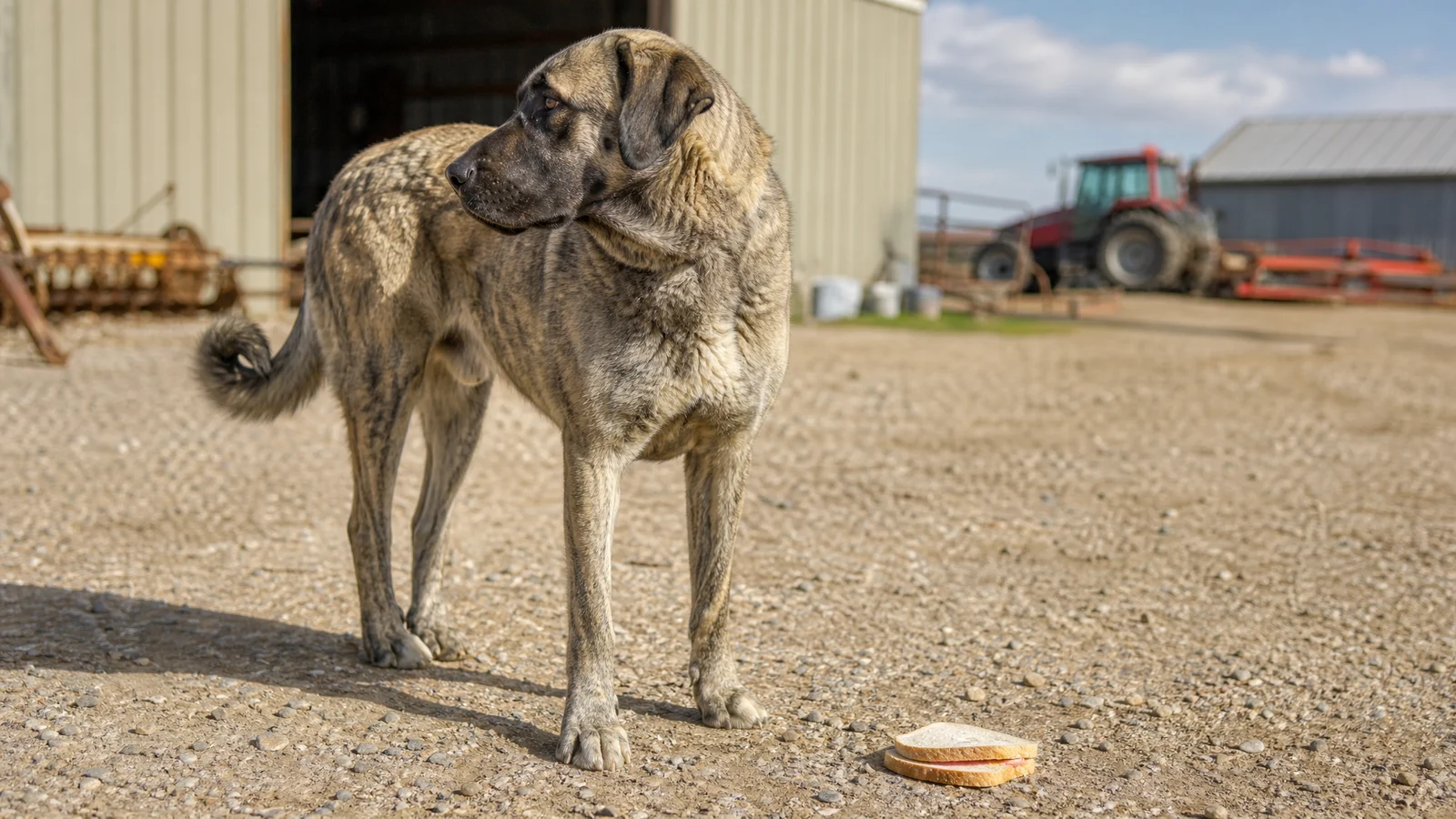
Teach an Anatolian Shepherd to leave it by rewarding the dog for turning away before they take an item. If the object is already in the dog's mouth or is being defended, stop this beginner exercise because retrieval, trade, and resource safety are different problems.
In this guide, we first sort the situation, then build a small look-away response with a safe practice item. We add the cue only after the action is predictable and keep access prevention in place even when training is progressing.
Leave it is not permission to test a dog with dangerous or valuable objects. Practice with an ordinary low-interest item that is safe for the individual dog, use a separate better reward, and end before interest becomes intense.
What Leave It Asks of an Anatolian Shepherd
Leave it asks the dog to disengage from something they have not taken. That narrow definition keeps the training choice clear and prevents a calm practice exercise from being mistaken for a way to recover an object.
An Item Not Yet Taken
When the item remains outside the dog's mouth and the dog is relaxed, wait for any small move away from it. A glance toward you, a head turn, or a step back can be the first response worth marking and rewarding.
An Item Already Held
An object in the mouth requires a different skill, and an object the dog is guarding requires a safety plan rather than this drill. Do not reach toward the mouth, chase the dog, or use leave-it practice to test whether a defended object can be removed.
How to Teach Looking Away From the Practice Item
The Dogs Trust leave-it method distinguishes an untaken item from one already held. It uses a safe low-interest item, waits for looking or moving away, and rewards from the other hand.
Set up the general method in a quiet place with the item controlled in one closed hand and the better reward ready elsewhere. Let the dog make the choice without moving the practice item toward their face or repeating a cue that has not yet been taught.
- Present the closed hand containing the safe low-interest practice item. Keep the hand still and far enough away that the dog can pause and think.
- Wait for a glance, head turn, or movement away from that hand. Do not pull the item through the room or make access into a contest.
- Mark the moment the dog disengages. The marker belongs on the look away, not on the sniff or reach that happened immediately before it.
- Reward from the other hand, then reset with the practice item still controlled. If the dog cannot disengage, increase space or choose a less interesting setup.
Repeat only while the choice remains calm and easy to recognize. The goal is a reliable pattern of noticing the item and turning away, not enduring a long confrontation with food held under the dog's nose.
When to Teach the Anatolian Shepherd Leave-It Cue
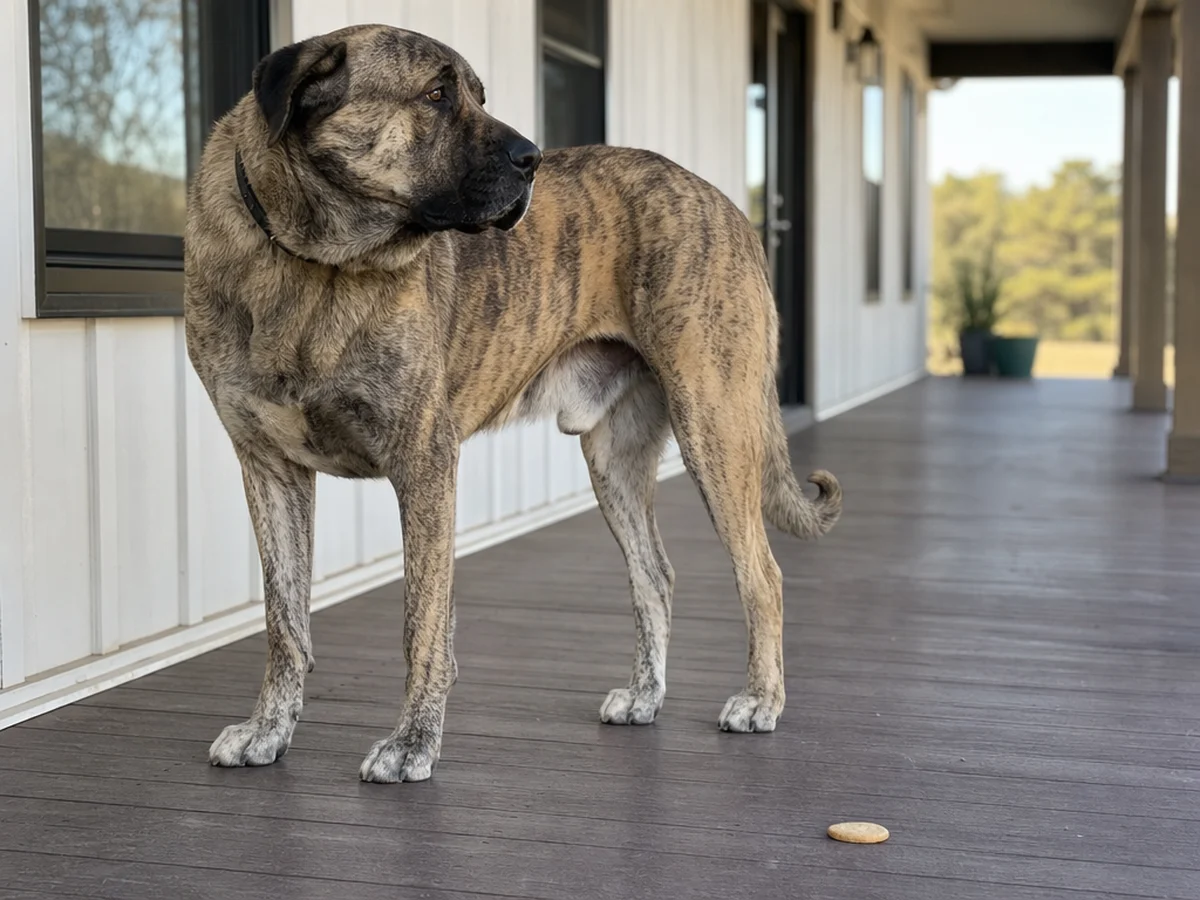
Say the cue shortly before presenting the familiar practice setup once looking away is predictable. If the dog responds, mark the disengagement and reward as before, then keep the cue to one clear use rather than repeating it during the same choice.
Precise marking helps the dog identify which action earned the reward. The Battersea clicker guide emphasizes marking the wanted behavior accurately and following with a prompt reward, whether you use a click or a consistent spoken marker.
The UKC Anatolian Shepherd standard describes the breed as naturally independent and intelligent. Those general descriptors do not promise that one cue will override every temptation, so keep criteria observable and management practical for the Anatolian in front of you.
Teaching Leave It Apart From Retrieval
Leave it ends with disengagement, not with the dog bringing the item to you. Keep calling the dog toward the handler with Anatolian Shepherd check-ins separate so each cue has one understandable job.
Short reward-based sessions are more useful than proof-testing with prized possessions. The RSPCA training guidance recommends short, regular practice so the dog is not overwhelmed.
Use the Anatolian Shepherd training overview for wider cue planning. This lesson does not provide trade steps, guidance for guarded resources, or an emergency rescue method.
Questions About Teaching Leave It
Can a hand signal accompany the Anatolian Shepherd leave-it cue? Yes, a consistent visual signal can accompany the spoken cue if every caregiver uses the same one. Add it to the familiar easy setup, then mark the look away rather than the hand movement itself.
What if an Anatolian Shepherd cannot look away during practice? Increase the distance, reduce the item's interest, or put the item away and try another time. The setup is too difficult if the dog remains fixed on the item, and repeating the cue will not create the missing response.
Can every caregiver practice the same leave-it cue? Yes, when each person follows the same sequence and respects the same boundaries. Agree on the cue, marker, reward source, and rule that held or defended objects are outside this beginner exercise.
Teaching Leave It Still Needs Management
Store harmful or tempting items where the dog cannot reach them, because a trained cue is not a guarantee. If ingestion or injury is suspected, stop training and contact a veterinarian promptly rather than waiting to test the cue again.
Keep regular veterinary visits part of your dog's care, and seek qualified reward-based help for known resource guarding. A useful leave-it response supports prevention, but secure storage and careful supervision remain part of the plan.
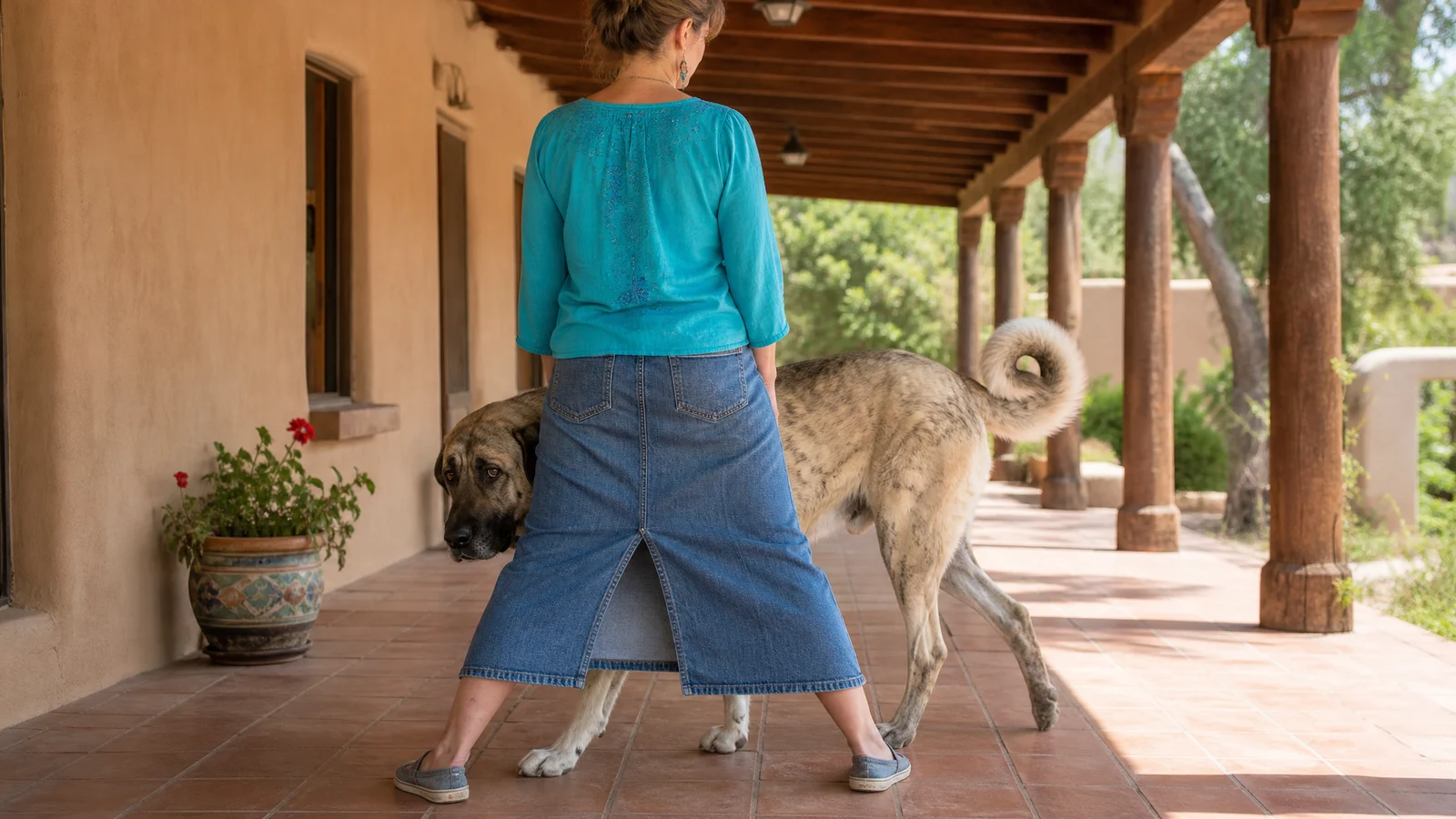 Exercise and jobsHow to Teach an Anatolian Shepherd to Weave Through Your Legs
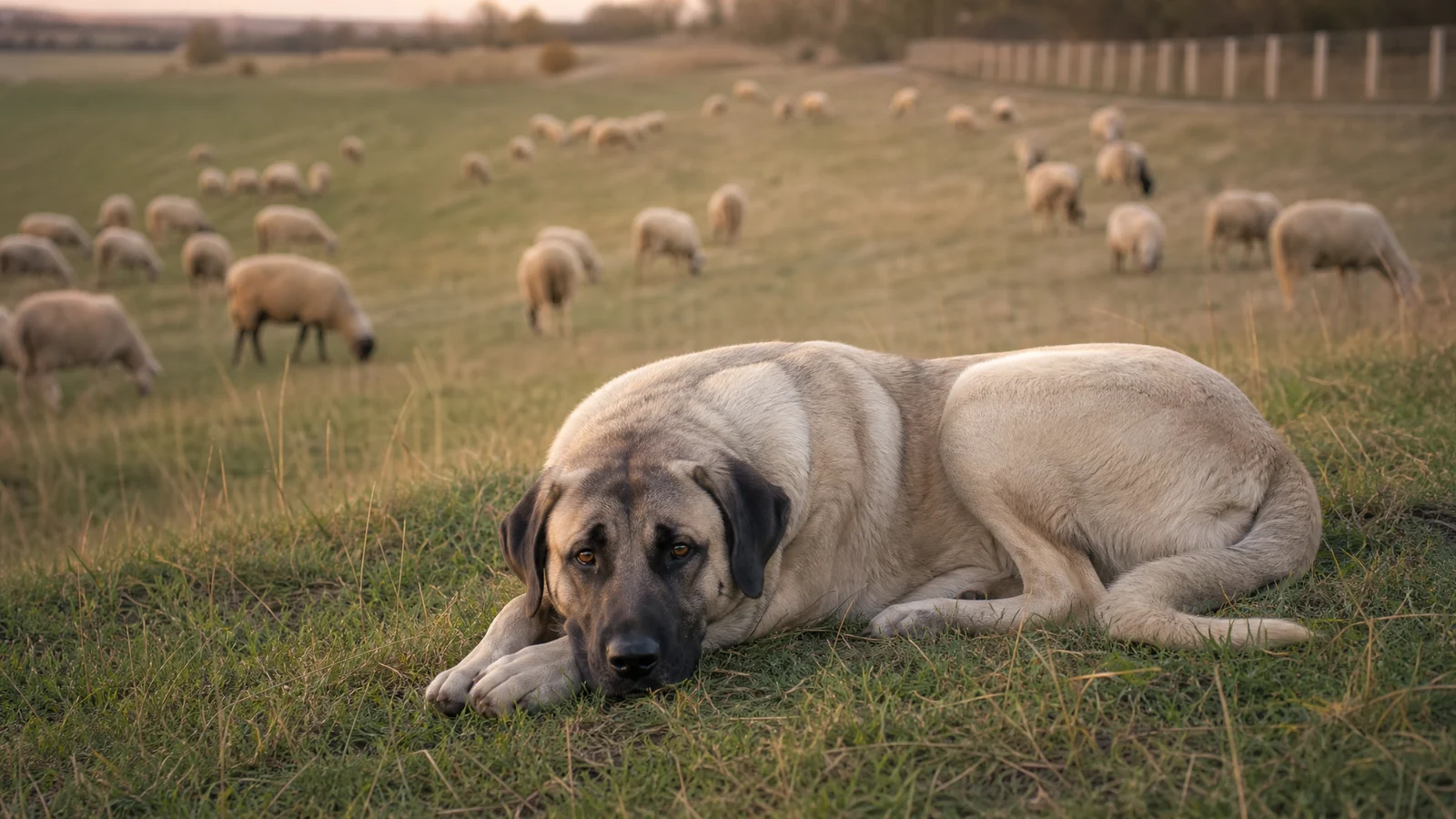 BehaviorLiving With an Anatolian Shepherd Livestock Guardian
 Puppy trainingSocializing an Anatolian Shepherd Puppy Before the Guardian Grows Up