
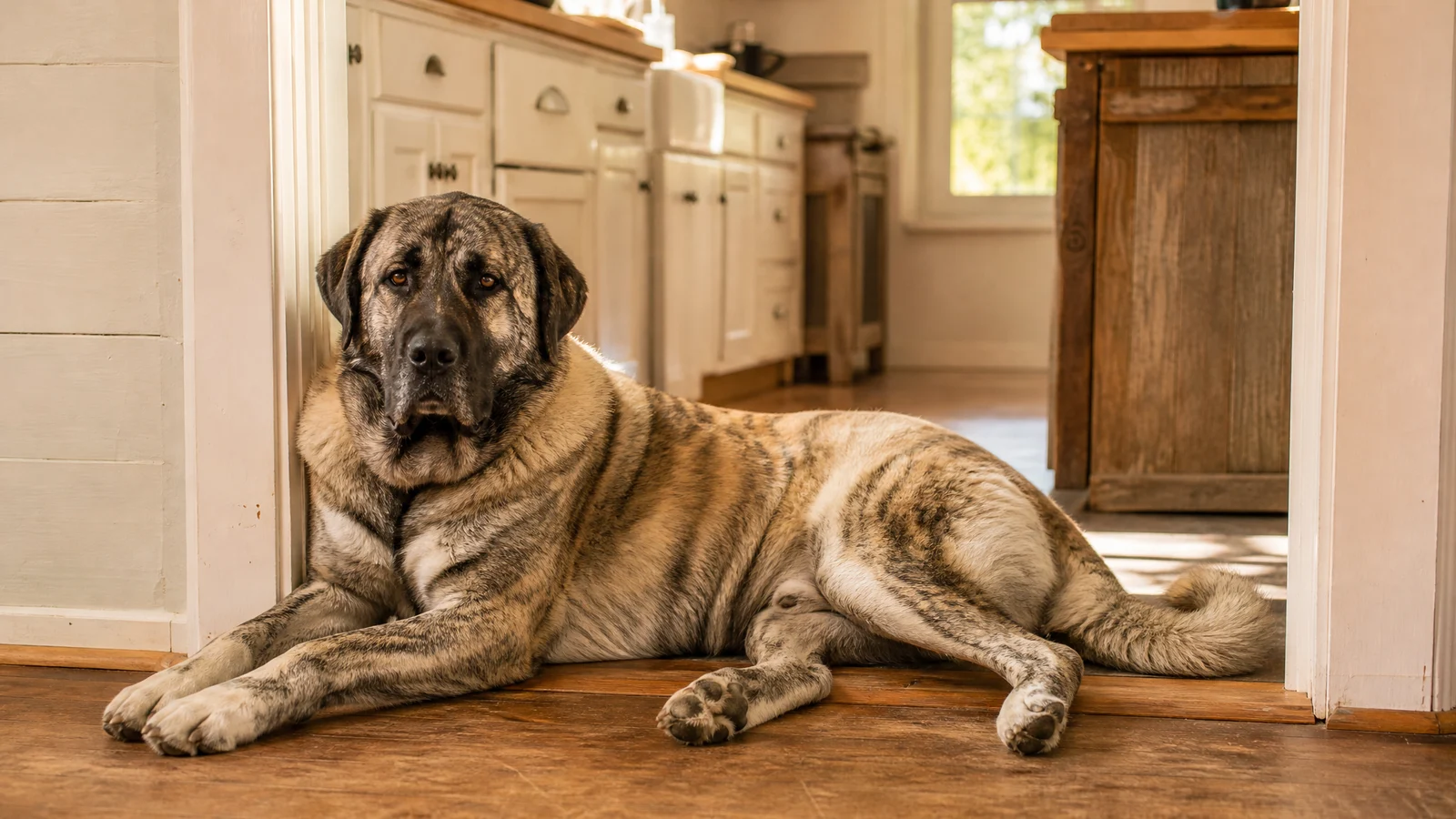
An Anatolian Shepherd may be the right dog for a household that can provide consistent humane training, daily care and dependable backup. The decision cannot come from a breed description, a yard size or a personality score alone.
Start by asking who will handle routine responsibilities when the week is ordinary, busy or disrupted. A realistic answer includes feeding, movement, quiet rest, short learning opportunities, veterinary care and safe coverage when the usual adult is unavailable.
In this guide, we will audit the humans' commitments first, separate a new dog's adjustment from lasting demands, review activity and support capacity, identify questions about the individual dog, and decide what can wait.
Is Your Household Ready for Anatolian Shepherd Training?
Write down each recurring responsibility before discussing whether the breed feels appealing. A plan is stronger when it names the person, the backup and the conditions that would make the job difficult. Do not assign every task to a vague future version of the household with more time.
The AVSAB humane training statement explains that reward-based training still includes structure, routine and guidelines. That distinction matters here. A humane plan is not permissive, and a clear household routine does not require intimidation, pain or forced participation.
| Ongoing Job | Household Question | Backup to Identify |
|---|---|---|
| Meals, water and quiet rest | Who notices whether the routine was completed? | An adult who knows the same care plan |
| Short learning opportunities | Who can use the agreed cues and rewards calmly? | A second person who has practiced the setup |
| Movement and outdoor access | Who can manage the dog safely in ordinary conditions? | A realistic alternative for illness or schedule changes |
| Time when adults are absent | What safe arrangement is available before the need occurs? | Coverage that does not depend on a last-minute guess |
The table is not a pass or fail score. It is a way to expose missing responsibility before a dog is asked to live inside the gap. One person may hold several jobs, but the household should know what happens when that person is unavailable.
Discuss disagreement as part of the audit. If one adult expects constant precision while another plans to ignore the routine, the dog receives changing information. Choose a small shared vocabulary, decide which behaviors matter for safety and daily life, and make the response consistent enough for every capable handler to use.
Household Structure for the Right Fit
Breed context can shape questions, but it cannot issue a household verdict. The Anatolian Shepherd Dog Club of America says the breed can become a deeply bonded companion with proper and consistent socialization while cautioning that this is not a conventional pet relationship. Treat that as context, not a guarantee about one dog.
Consistent socialization means planning safe, manageable exposure and protecting the dog's ability to participate. It does not mean forcing contact, arranging crowded tests or assuming that every unfamiliar person or animal must become a friend. The relevant question is whether the household can follow an individual plan without turning a broad breed statement into a fixed motive.
The Anatolian Shepherd temperament guide owns the broader profile. This suitability decision has a narrower job. It asks whether the household can observe the dog in front of them, maintain humane boundaries and change the setup when participation is not available.
A label such as independent does not tell you how quickly a particular dog will learn, how they will respond in your home or which support they may need. Avoid converting general context into a claim that the dog is stubborn, protective, easy with children or unsuitable for a certain address.
An Anatolian Shepherd's Adjustment Period
Arrival needs are not the same as the permanent workload. A quiet first period may reduce avoidable pressure while the dog learns where to rest, how the household moves and which routine predicts ordinary care. The longer-term decision is whether that calm structure can continue after the novelty fades.
Humane World for Animals says adjustment can take days, months or longer, especially after multiple homes or shelter stays, and recommends quiet consistency during the early transition. That range rejects a fixed countdown. It does not predict how long one Anatolian Shepherd will need.
Initial Adjustment
Plan a calm resting area, predictable meals and uncomplicated routes through the home. Keep visitors and new demands within what the dog can manage rather than trying to reveal their whole personality quickly. Record eating, resting, movement and willingness without treating one difficult day as a permanent trait.
Limit early training to useful, low-pressure communication. Mark and reward simple choices such as approaching a resting area, following a familiar route or participating in care. If the dog withdraws, freezes or cannot use the setup, create space and seek qualified help instead of increasing pressure.
The Routine That Must Continue
After the first weeks, the household still needs reliable care, learning opportunities and safe management. Do not promise that an adjustment milestone will remove the need for gates, supervision, prepared exits or individual rest. A tool can remain useful even when the dog appears more settled.
Ask whether the planned routine can survive school terms, travel, changing work hours and ordinary illness. The answer does not need to be perfect, but it should name a workable backup. A plan that depends on nobody becoming busy is not yet a durable plan.
Activity and the Right-Dog Decision
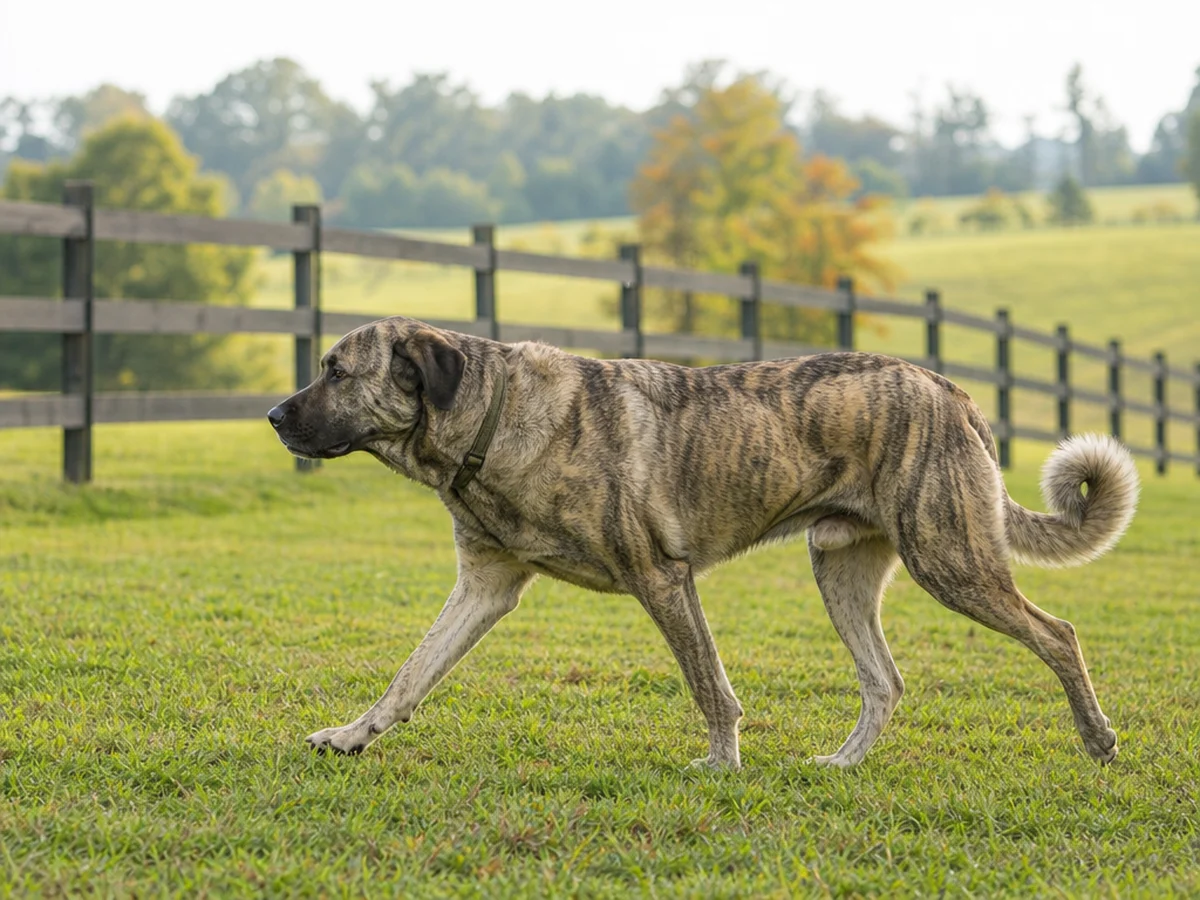
Activity is one part of daily care, not a complete answer to every unwanted behavior. The PDSA exercise guidance says a good routine may improve behavior without fixing the problem completely. It also warns that a stressed dog can become more stressed in a busy exercise setting.
Do not set an acreage rule or a fixed number of hours from the breed name. The appropriate type and amount of activity depend on the individual dog's health, age, current comfort and response. The household must be able to observe those factors rather than using fatigue as the only sign that enough was provided.
Individual Activity Clues
\n\nThe AVSAB guidance for newly adopted dogs notes that basic needs vary by dog while still requiring attention, appropriate activity and useful outlets. That supports a flexible care plan. It does not authorize a one-size-fits-all exercise formula.
Use the separate Anatolian Shepherd exercise guide for the full activity discussion. In this fit decision, ask whether the household can provide safe opportunities, adapt them when the dog struggles and keep learning and rest from becoming substitutes for each other.
Observe recovery as well as motion. A dog who returns from an outing unable to settle, eat normally or move comfortably may need a different setup, not a harder session. Pause activity that looks uncomfortable and seek individual veterinary advice rather than guessing at a training solution.
Right-Fit Support for Care and Learning
Support capacity begins with ordinary care, not an emergency search after the household is already overwhelmed. Identify the veterinary practice the household can contact, the adults who can follow the routine and the kind of reward-based training help that would be acceptable if a problem exceeds home practice.
Regular veterinary visits belong in the plan because health and behavior observations can overlap. A sudden change in movement, appetite, sleep, sensory response or willingness deserves veterinary attention before the household increases training difficulty. This article cannot determine the reason for a change.
Write a short support plan that remains useful without naming a particular provider or promising availability. Keep it concrete enough that another capable adult can follow the same care and learning boundaries.
- Care coverage. Name who can complete meals, rest, safe movement and household management when the usual adult cannot.
- Routine veterinary care. Budget time and practical transport for regular visits, then know how the household will report a sudden change.
- Humane learning support. Agree that outside help must use reward-based methods, observe the dog without provoking a response and explain management clearly.
The existence of a list does not guarantee access or success. Confirm real arrangements separately, and do not acquire a dog on the assumption that an unknown person will later solve every difficult part of the routine.
What a Right-Fit Checklist Cannot Tell You
A household audit can show readiness gaps, but it cannot predict an individual dog's compatibility with children, other animals, visitors or a particular living arrangement. Those questions require history, current observation, safe introductions where appropriate and professional input when risk or uncertainty is high.
Do not use silence as proof of comfort or friendliness as proof of universal compatibility. A dog can be quiet while overwhelmed, and a calm response in one setting does not promise the same response elsewhere. Record the conditions rather than assigning a permanent label.
Questions About This Individual Dog
Ask what is known about handling, rest, movement, unfamiliar people, other animals and time alone. Separate verified history from guesses. If the information is missing, keep it missing rather than filling the gap with a breed assumption or a story about what the dog probably experienced.
Clarify which observations came from a comparable setting. Behavior in a quiet room may not predict a crowded entrance, and one supervised interaction may not predict daily life. The goal is not to arrange harder tests. It is to understand which questions still need a safer source of information.
Decisions That Need More Information
Pause the decision when a central care need has no responsible adult, a safety question has no reliable history or the household disagrees about humane management. Waiting for information protects the dog and the people. It is not evidence that the breed has failed an invented suitability test.
Some answers may remain uncertain even after careful questions. Decide whether the household can manage that uncertainty without forcing contact, abandoning the routine or expecting a deadline to transform the dog. If not, the honest answer can remain not yet.
Questions About Anatolian Shepherd Suitability
The body has defined the household audit, arrival support, durable routine, activity boundary and individual unknowns. Five remaining questions clarify how to use that framework without converting it into a score or a deadline.
Does prior experience replace a current support plan? No. Experience may help a person recognize familiar tasks, but it does not assign today's care jobs, confirm backup coverage or answer questions about this dog. Use current capacity and current information rather than an identity label.
Can one calm visit prove that the fit is right? No. One visit shows behavior under one set of conditions, and the dog may respond differently after the setting, people or demands change. Record what was observed without treating the meeting as a stress test or a permanent prediction.
What if the household can meet most needs but not one central need? Do not average the unresolved need away. If it concerns safety, daily care or a responsible adult, pause until the gap has a real answer. A long list of strengths does not perform the missing job.
Revisiting the Right-Fit Decision
\n\nShould a suitability decision use a deadline? The household can choose a date to review new information, but the dog does not owe a verdict by then. Use the review point to compare facts, support and capacity. Do not turn time pressure into a claim that uncertainty has disappeared.
Can the household revisit a decision to wait? Yes. Revisit it when a concrete gap changes, such as dependable care coverage or verified information about the individual dog. Repeating the same discussion without new information does not resolve the original blocker.
When Waiting Is the Right Decision
Waiting is reasonable when the daily jobs have no dependable owner, the backup plan is hypothetical or important information about the individual dog is unavailable. The household can revisit the decision after the gap changes instead of turning urgency into a promise.
A suitable decision is not a score awarded to the people or the breed. It is a clear account of whether this dog's known and unknown needs can be met with humane care, consistent learning, ordinary support and room to adjust the plan.
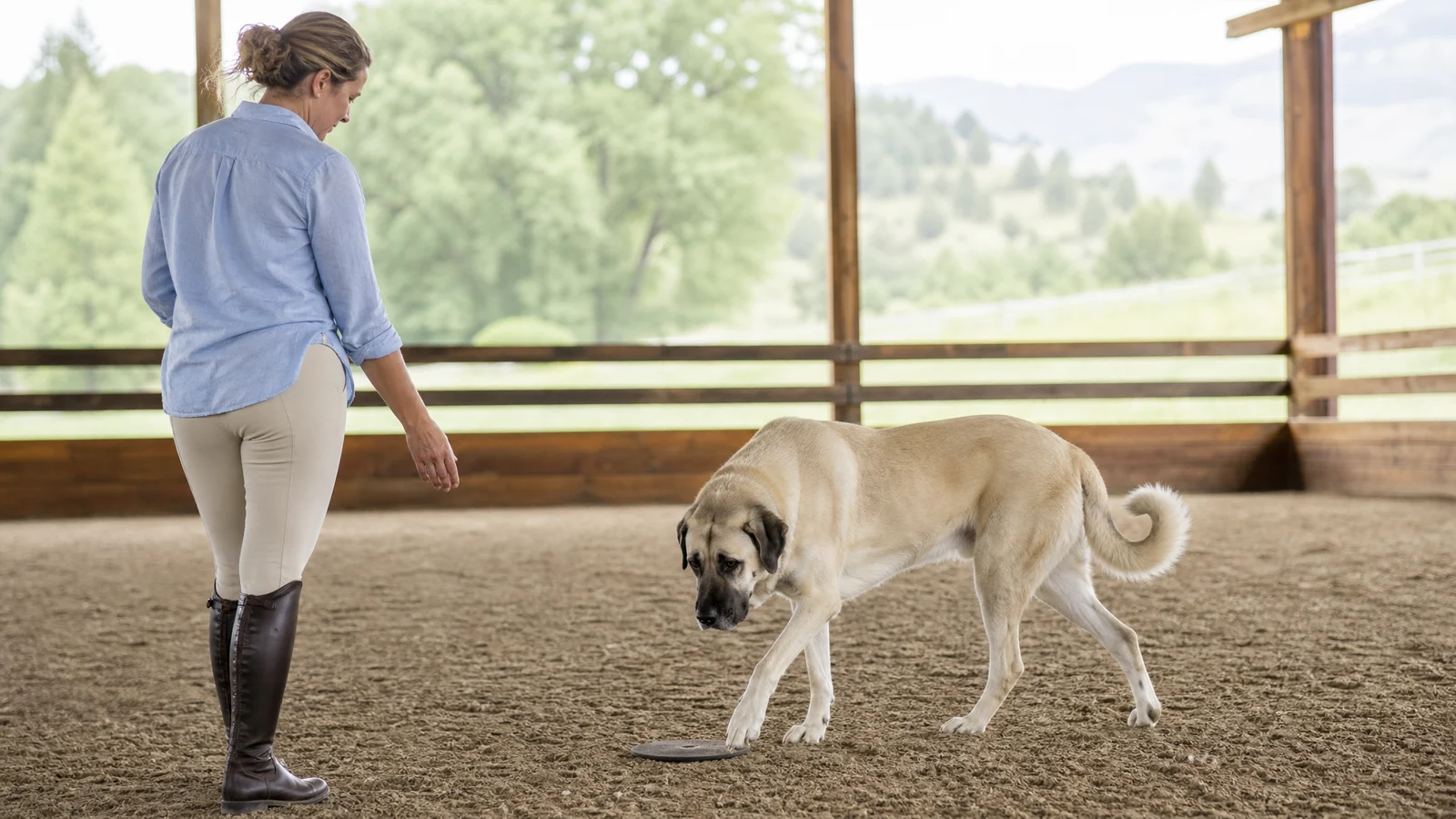 Exercise and jobsHow to Teach an Anatolian Shepherd to Spin
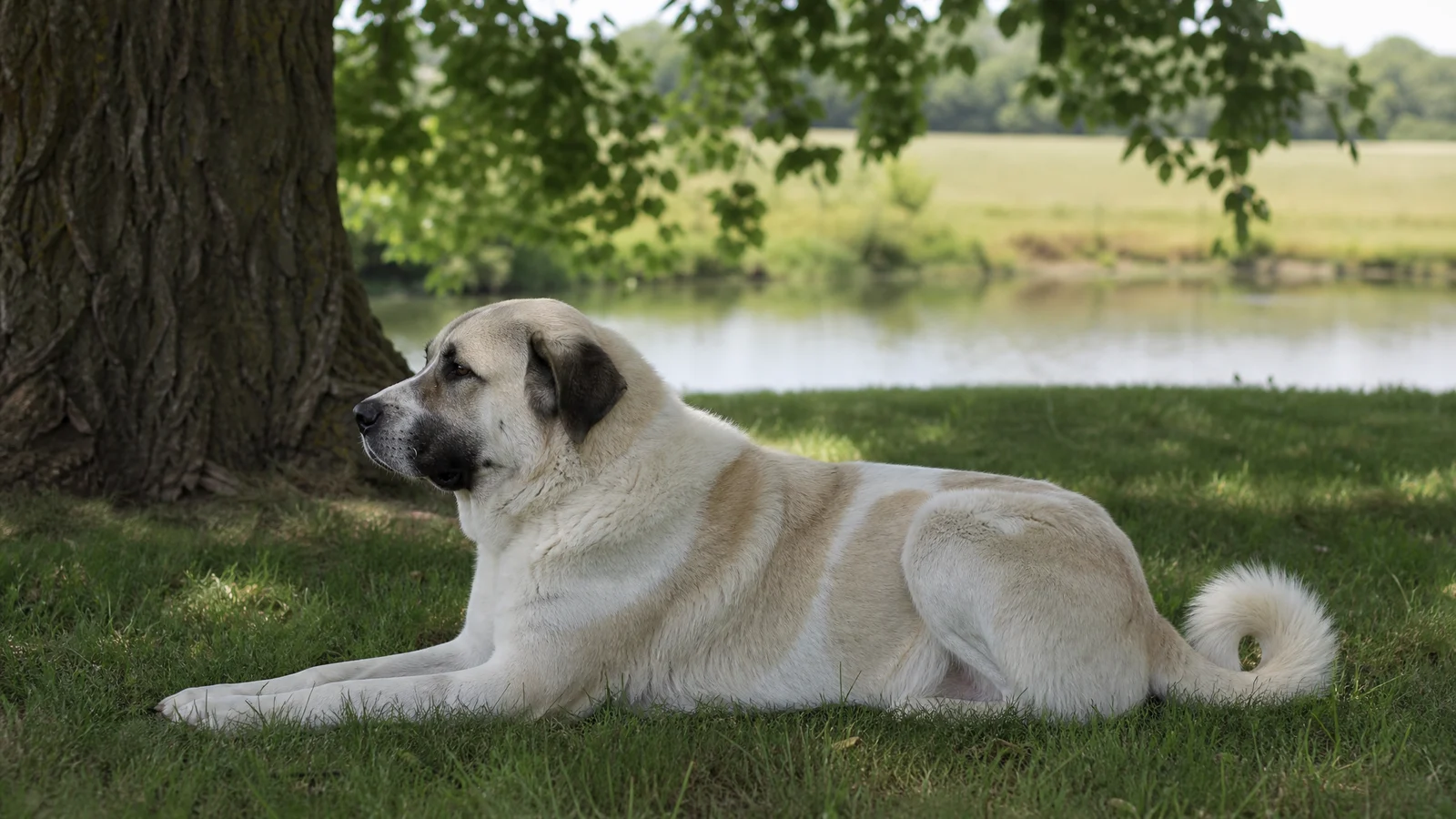 Training basicsHow to Teach an Anatolian Shepherd to Lie Down
 Exercise and jobsHow to Teach an Anatolian Shepherd to Shake and High Five