
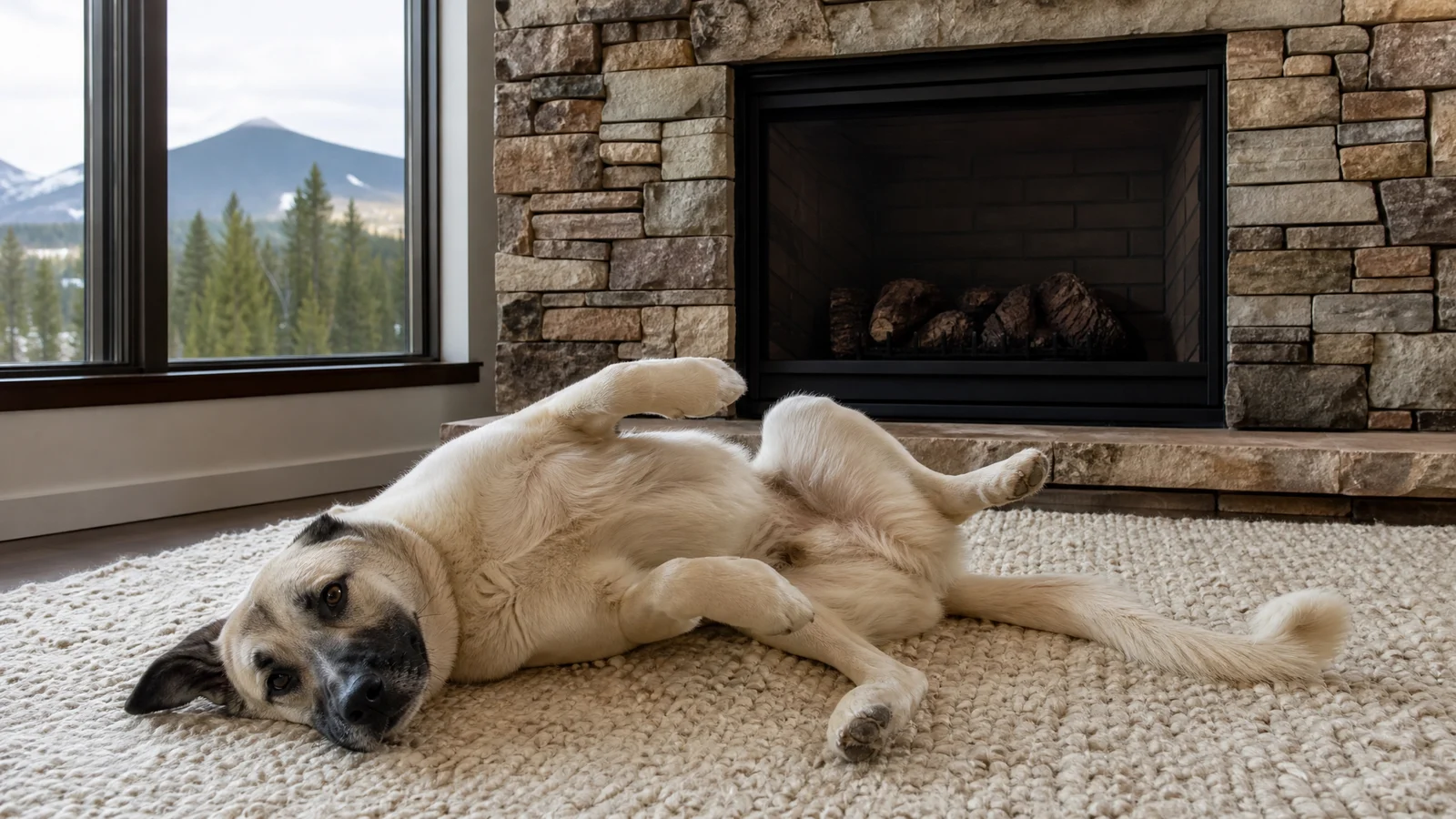
Teach an Anatolian Shepherd to roll over as a voluntary sequence from a comfortable down, not as a test of submission. The first reward belongs on a small side movement, which gives the dog a clear success before a complete turn is considered.
In this guide, we begin with that partial movement, check whether twisting is suitable, and extend the food guide only while the dog remains comfortable. We then reduce the guide and add the spoken cue after the full sequence is predictable.
Roll over is optional. If the dog does not choose the movement, return to the side step, select a stationary trick, or stop without pushing, lifting, pinning, or rolling the dog by hand.
The First Anatolian Shepherd Roll-Over Reward Comes Early
The AKC roll-over method begins from a known down, guides from the nose toward the shoulder, and rewards the dog for lying on their side. The general first-stage method below stops at that voluntary side movement.
- Ask for a comfortable down on a secure surface, or wait for the dog to lie down willingly. Position yourself where the dog has space to shift without contacting furniture.
- Place the guiding hand near the nose and move it slowly toward one shoulder. Keep the path small enough that the head follows without pulling the body off balance.
- Watch for a voluntary weight shift or movement onto the side. Stop the guide if the dog rises, moves away, or braces against the path.
- Mark that side movement and deliver the reward there. Let the dog reset before deciding whether the same partial step remains comfortable enough to repeat.
Rewarding the side position makes the first criterion visible and achievable. It also prevents the lesson from becoming a struggle to complete the final rotation before the dog understands how the sequence begins.
Before You Teach the Rolling Movement
The PDSA puppy exercise guidance advises limiting twisting, skidding, and high-impact activity while dogs are growing. That general guidance does not create a safe starting age for an Anatolian Shepherd or clear an individual dog for this movement.
Use a level nonslip surface, allow room for the shoulders and hips to turn, and watch how the dog gets into and out of a down before practicing. If rolling could aggravate an individual concern, ask a veterinarian and choose another optional trick.
Comfort can vary by direction and day, so a movement that appeared once is not permission to insist on it later. A pause, stiff posture, quick stand, or choice to leave is enough reason to stop the guide.
Teach a Full Anatolian Shepherd Roll Without Handling
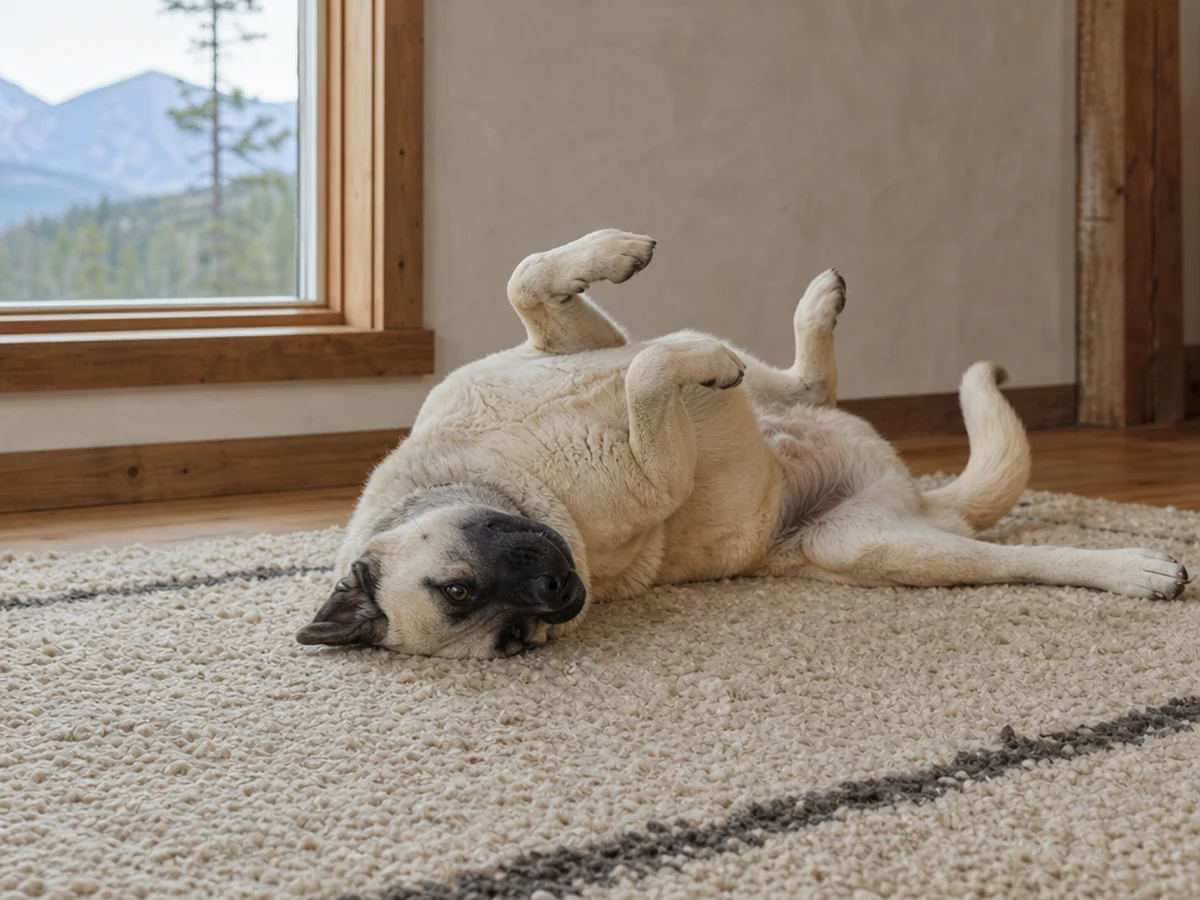
Once the side movement is comfortable and easy to offer, extend the hand path from the shoulder toward the backbone and across to the other side. Keep the guide close enough to follow without making the dog stretch sharply for the reward.
The Battersea shaping guidance supports breaking a final behavior into small rewarded steps. Apply that principle by marking a little more of the turn only when the previous side movement remains relaxed and repeatable.
Keep the First Rewardable Movement Available
A full rotation is not the only success once you have seen it. Return to rewarding the side movement whenever the dog stops partway, changes the down position, or needs a simpler way to rejoin the lesson.
Do not place hands on the dog's legs, shoulders, or back to finish the roll. Physical completion removes the dog's choice and cannot show whether the movement itself is comfortable or understood.
Teach the Roll-Over Cue After the Hand Guide
Add the spoken cue shortly before the familiar hand movement only after the dog can complete the voluntary sequence. Keep rewarding the movement while the hand guide becomes smaller, because removing visible help and removing reinforcement are separate changes.
| Training stage | Guide or cue | Rewardable response |
|---|---|---|
| Partial movement | Hand moves from nose toward the shoulder. | The dog shifts voluntarily onto the side. |
| Completed turn | Hand continues from shoulder toward the backbone. | The dog follows through to the other side without handling. |
| Smaller guide | The hand traces a shorter familiar signal. | The dog completes the same comfortable sequence. |
| Spoken cue | The word comes before the small hand signal. | The dog begins the understood movement after hearing the cue. |
The AVSAB humane training statement describes reward-based work using cues, markers, and reinforcers. That voluntary framework supports clear signals, precise markers, valued rewards, and movement the dog can choose.
Questions About Teaching Roll Over
Can a spoken marker replace a clicker for roll over? Yes, a consistent spoken marker can identify the side movement or completed turn before the reward arrives. Keep the marker distinct from the roll-over cue so one asks for movement and the other confirms success.
Can different caregivers use the same roll-over cue? Yes, when they agree on the current criterion, hand path, marker, and opt-out. Each person should reward the same stage rather than having one ask for a side movement while another expects a complete turn.
Does roll over make grooming handling easier? No, a trick does not replace separate cooperative care skills. Keep brushing, body handling, and coat work with the guide to Anatolian Shepherd grooming.
Optional Roll-Over Teaching Needs No Physical Persuasion
The AKC Anatolian Shepherd standard says overhandling would be discouraged, but that breed context does not predict one dog's comfort. The training decision still comes from the individual movement in front of you.
Keep regular veterinary visits part of your dog's care, and pause rolling if comfort or mobility changes. A voluntary side movement can remain the finished skill, and choosing not to pursue a full roll is a legitimate outcome.
 BehaviorHow to Fix Anatolian Shepherd Separation Anxiety
 BehaviorHow to Teach an Anatolian Shepherd to Jump Over Obstacles
 Training basicsTraining an Older or Adopted Anatolian Shepherd