
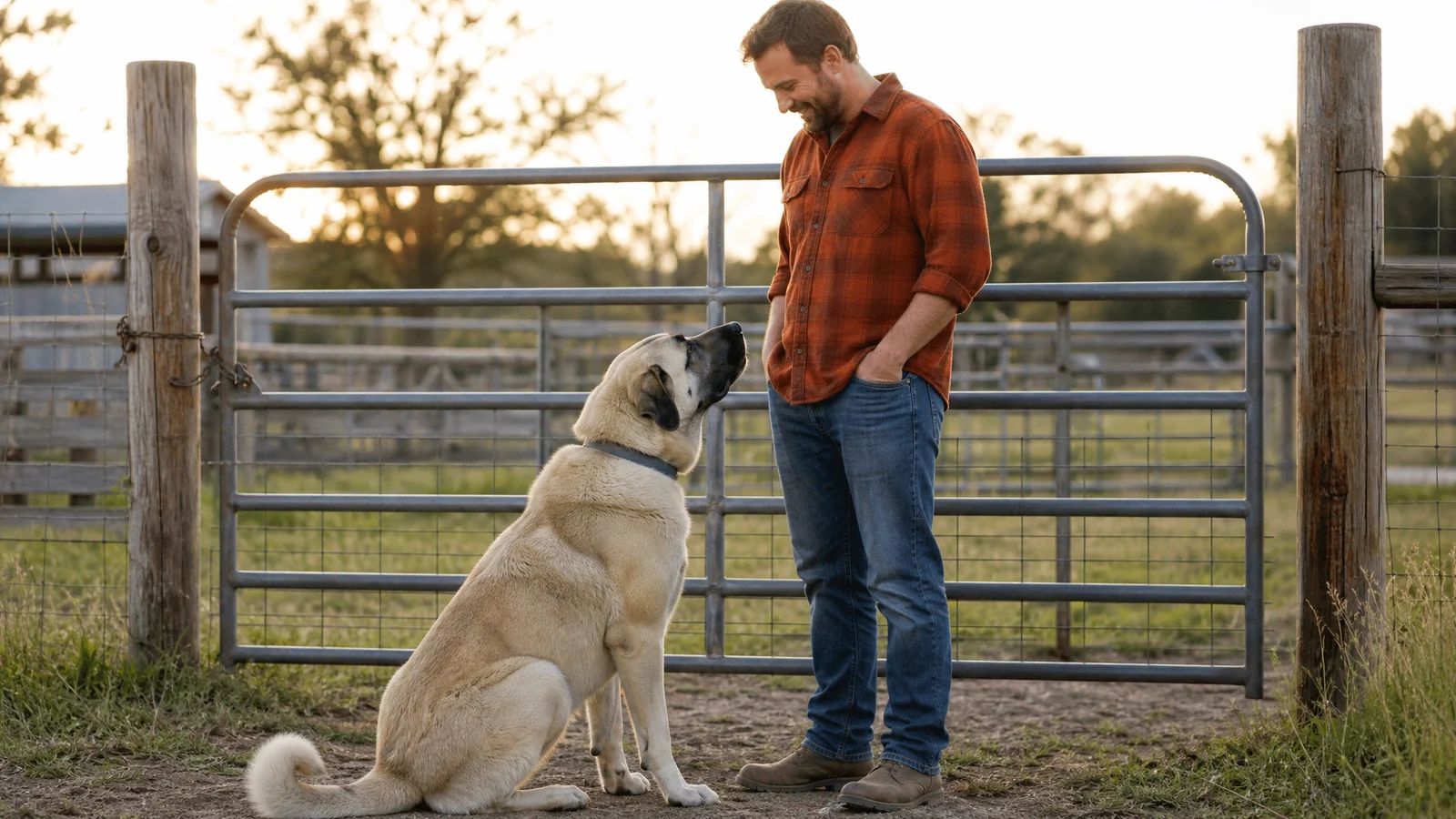
Teach an Anatolian Shepherd to focus by saying their name once, marking the moment they orient toward you and delivering a reward promptly. The goal is a brief, available response, not continuous eye contact. Begin where the dog can notice the cue without competing activity taking over.
Focus, a voluntary check-in and recall are separate skills. This article owns the name response only, so the dog can turn toward the handler and then return to ordinary activity. It does not ask the dog to cross distance or maintain a stare.
This guide first separates those attention tasks, then gives a short name-response method. We will also make practice easier when the location changes and finish each response clearly.
Separate Anatolian Shepherd Training Attention Tasks
Name the endpoint before practice. A dog who turns their head after hearing their name has completed a different action from a dog who looks back voluntarily or travels to the handler. Combining those endpoints makes it hard to mark the exact response the lesson owns.
| Attention Task | Starting Event | Endpoint |
|---|---|---|
| Name response | The handler says the dog's name once | The dog briefly orients toward the handler |
| Voluntary check-in | The dog chooses to look back without a cue | The handler notices and reinforces the offered attention |
| Recall | The handler gives the established recall cue | The dog travels to the handler as taught |
Keep spontaneous attention on the Anatolian Shepherd check-ins page. That habit can support a relationship, but it is not evidence that the dog has learned the name cue. This lesson starts only when the handler says the name.
The Anatolian Shepherd club guidance notes that natural independence can make puppies slower to respond to commands. That general observation does not identify why one dog looked away. Record the setting and response before changing the lesson.
Train Anatolian Shepherd Focus From the Name Cue
Choose a quiet room and have the reward ready but out of the dog's direct path. Stand far enough away that the dog can turn comfortably without being crowded. Use this general name-response method:
- Wait until the Anatolian Shepherd is awake, comfortable and not already looking at you.
- Say the dog's name once in an ordinary, clear voice.
- Mark the moment the dog turns their head or body toward you.
- Deliver the reward promptly, then use a release word and return to ordinary activity.
- Pause before deciding whether another brief response belongs in the session.
The Dogs Trust focus method supports saying the name and rewarding the moment the dog looks toward the handler. Marking identifies the completed orientation. It should not become repeated name pressure when the first cue produced no response.
Battersea's marker-training guidance supports marking the wanted behavior precisely and following with the reward promptly. Use a familiar verbal marker or clicker, then reward the orientation you actually observed rather than waiting for prolonged eye contact.
Recognize the Look You Asked For
Decide before the cue what will count. A head turn, ear shift with a clear head orientation or brief body turn may show that the dog located the handler. Choose one observable endpoint that this dog can perform comfortably, then mark it consistently.
Do not move the reward in front of the dog's nose before the orientation. That would make visible food the starting event instead of the name. Produce the reward after the marker so the response remains connected to the cue and the earned consequence.
Train Focus in One New Place
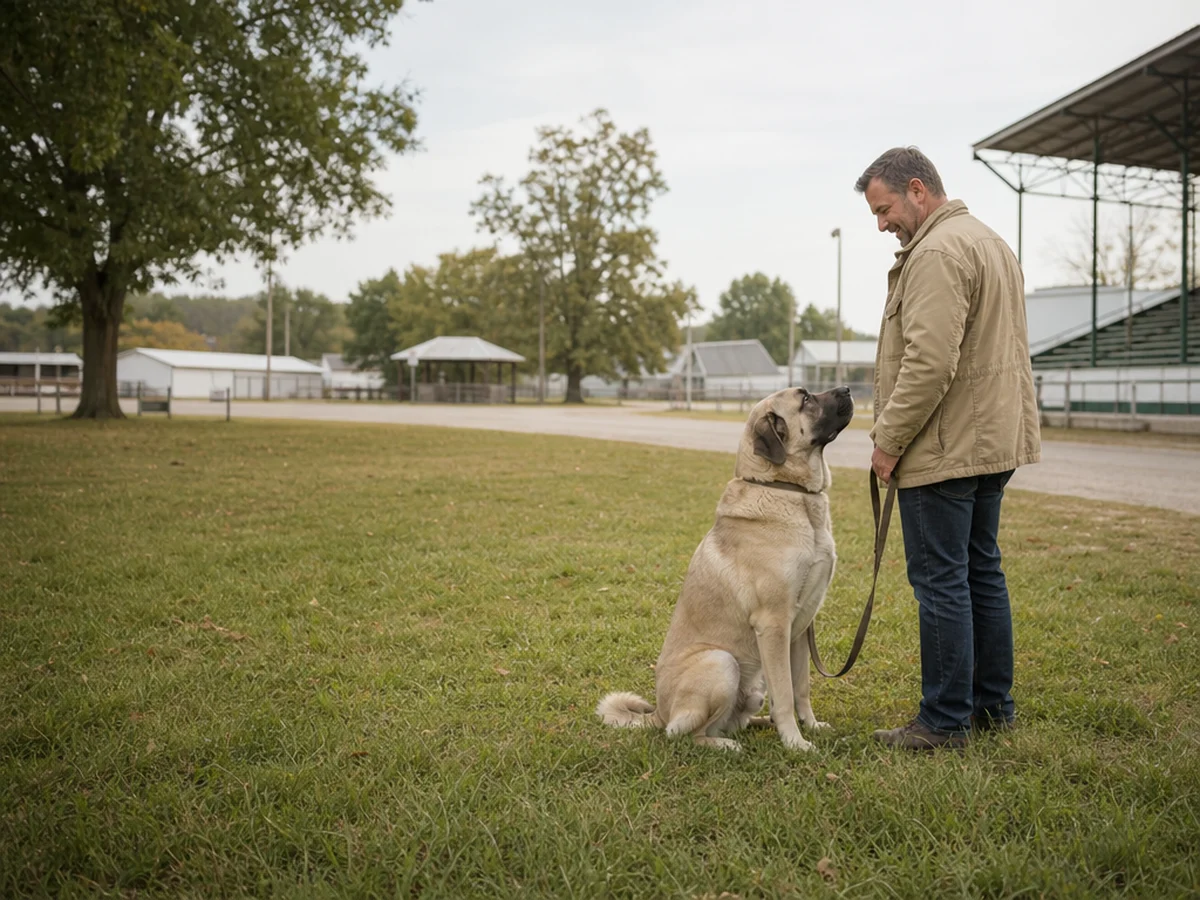
A known response can become harder when the room, distance or background activity changes. The AKC guidance on generalizing cues supports easier practice in each new setting. Move only one part of the setup, then lower the difficulty of everything else.
For example, move from the kitchen to a quiet hallway while keeping the handler close and the reward familiar. Say the name once and wait for the same brief orientation. If the response is unavailable, return to the easier place or reduce distraction rather than repeating the name.
Independence is context for patience, not proof of deliberate refusal. The Anatolian Shepherd temperament guide owns the broader breed discussion. Here, the record needs only the cue, place, available distraction and response.
A sudden change in response can also fall outside a training question. If a dog who usually orients to familiar sounds stops doing so or appears uncomfortable, pause practice and contact a veterinarian. Keep regular veterinary visits part of the dog's care.
Training Questions About the Name and Focus
The body defines the name response, but it leaves three household decisions open. These answers keep the cue brief and consistent without turning attention into a continuous demand.
Does Focus Require Direct Eye Contact?
No. The useful endpoint is an observable orientation toward the handler, not a fixed stare. Choose a head or body turn that is clear enough to mark, and let the dog finish after the brief response.
Ending the Anatolian Shepherd Focus Response
Use one release word after the reward and return to ordinary activity. The release makes the boundary predictable, especially when focus is practiced near daily routines. It also prevents the handler from silently extending one cued look into an undefined period of attention.
Household Consistency for the Name Cue
Use the same name, marker and endpoint while the response is being established. Household members can deliver different suitable rewards, but each person should say the name once and mark the same brief orientation. Record differences in setting before assuming the dog understands one person's version better.
End Anatolian Shepherd Focus Without Demanding a Stare
Mark the brief orientation, reward it and release the dog back to ordinary activity. Stop while the name remains a clear request rather than repeating it until the dog disengages. Focus is complete when the Anatolian Shepherd can locate the handler for that moment, not when they hold uninterrupted eye contact.
 Exercise and jobsEasy Tricks to Teach an Anatolian Shepherd
 Training basicsAnatolian Shepherd at 1 Year and Up: When Do They Calm Down?
 BehaviorAnatolian Shepherds With Cats and Other Dogs