
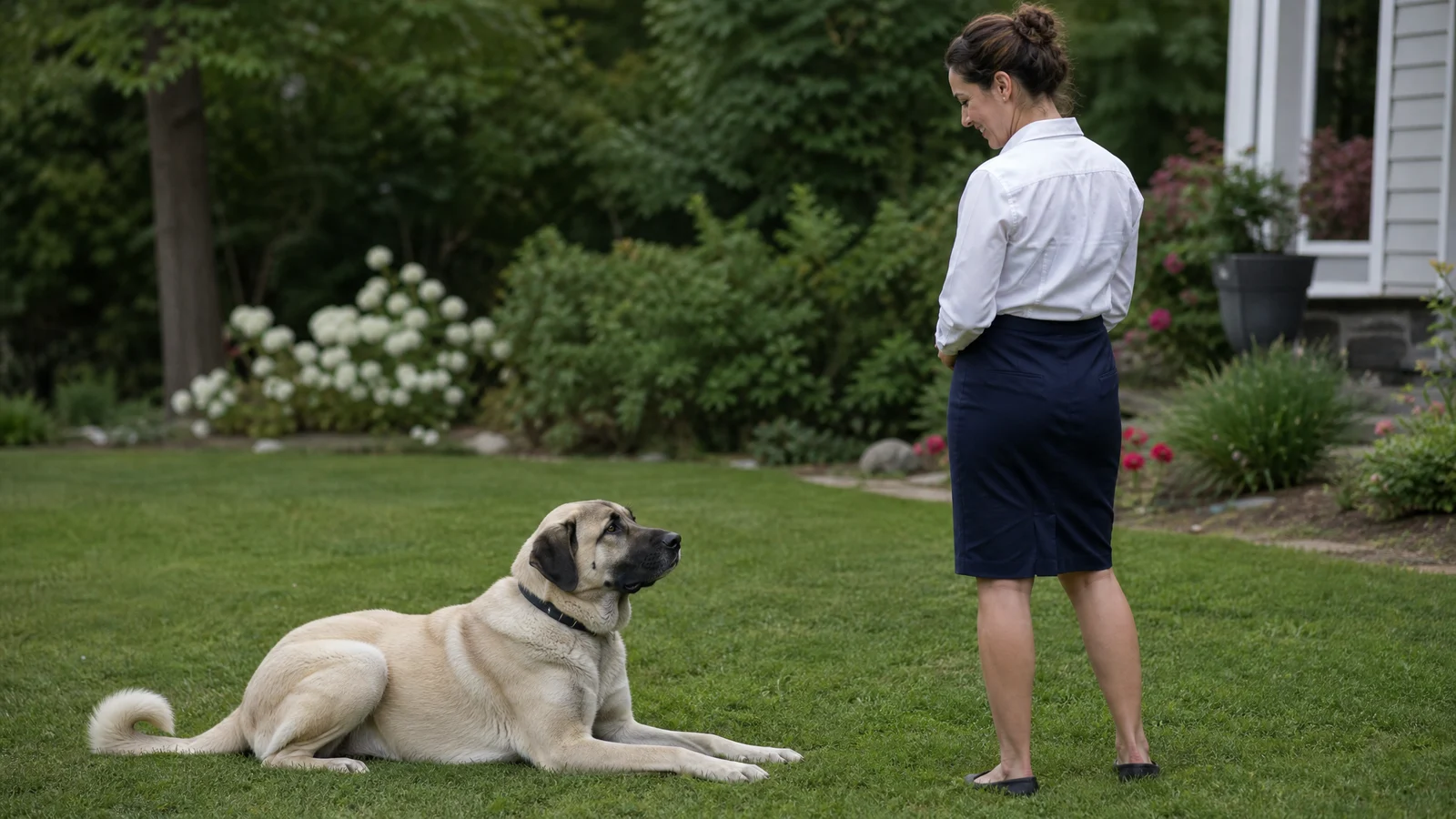
Obedience training for an Anatolian Shepherd starts as soon as the puppy comes home and keeps building through the early years. In the first weeks, reward a name response and a calm sit. As the puppy matures, build the main cues in the house and a quiet yard.
That pace is slower than most people expect, and the explanation lies in what these dogs were bred to do. Obedience training is a must with the breed, yet they were developed to work independently and make their own decisions. Handled badly, that gives you a powerful dog who treats requests as suggestions. Handled well, it gives you a calm partner. We have spent many years training and studying the behavior of this breed, and that aim shapes everything below.
Ahead, we cover what to expect at each age, the five cues that do most of the work, how rewards and quiet sessions suit this breed, and how to add distance and distractions safely.
Obedience Training Begins When Your Puppy Arrives
A new puppy learns from every interaction. Waiting means meeting a larger, practiced dog who has already formed household habits. Early lessons work like small deposits in a savings account. Each looks trivial alone, but years of them leave you something to draw on when it counts.
Natural independence can make Anatolian Shepherds slower to respond to commands, so brief, frequent repetitions matter more here than in a breed that snaps to attention. Judge progress against this breed, not against a neighbor's retriever. Here is what is realistic at each stage:
- In the first weeks, aim for a head turn at the puppy's name, a few paid sits and downs, and the habit of settling on a bed while the household moves around.
- As the puppy matures, the five core cues work in the house and a quiet fenced yard, and the puppy can hold a short wait at doorways and at the food bowl.
- Through the teenage months, expect cues to wobble. Treat that as normal testing, not lost progress.
- In adulthood, the cues hold in most everyday settings when rewards stay steady, though your dog's own judgment will always have a vote.
Socialization runs alongside all of it. Because the breed tends to be wary toward others and instinctively protective, a puppy must be socialized, and many new experiences, introduced gently, help produce a secure and confident adult. Let your puppy watch new people and places from a comfortable distance, and pay for calm curiosity.
Five Cues Matter More Than Fifty in Training
A cue is a signal, either a spoken word or a hand motion, that your dog learns to connect with one particular action. Five of them carry most of daily life: sit, down, wait, leave it and come. For a large, powerfully built dog, five dependable cues beat dozens of half-learned tricks, and a short list gives a self-directed dog fewer chances to decide a request is optional.
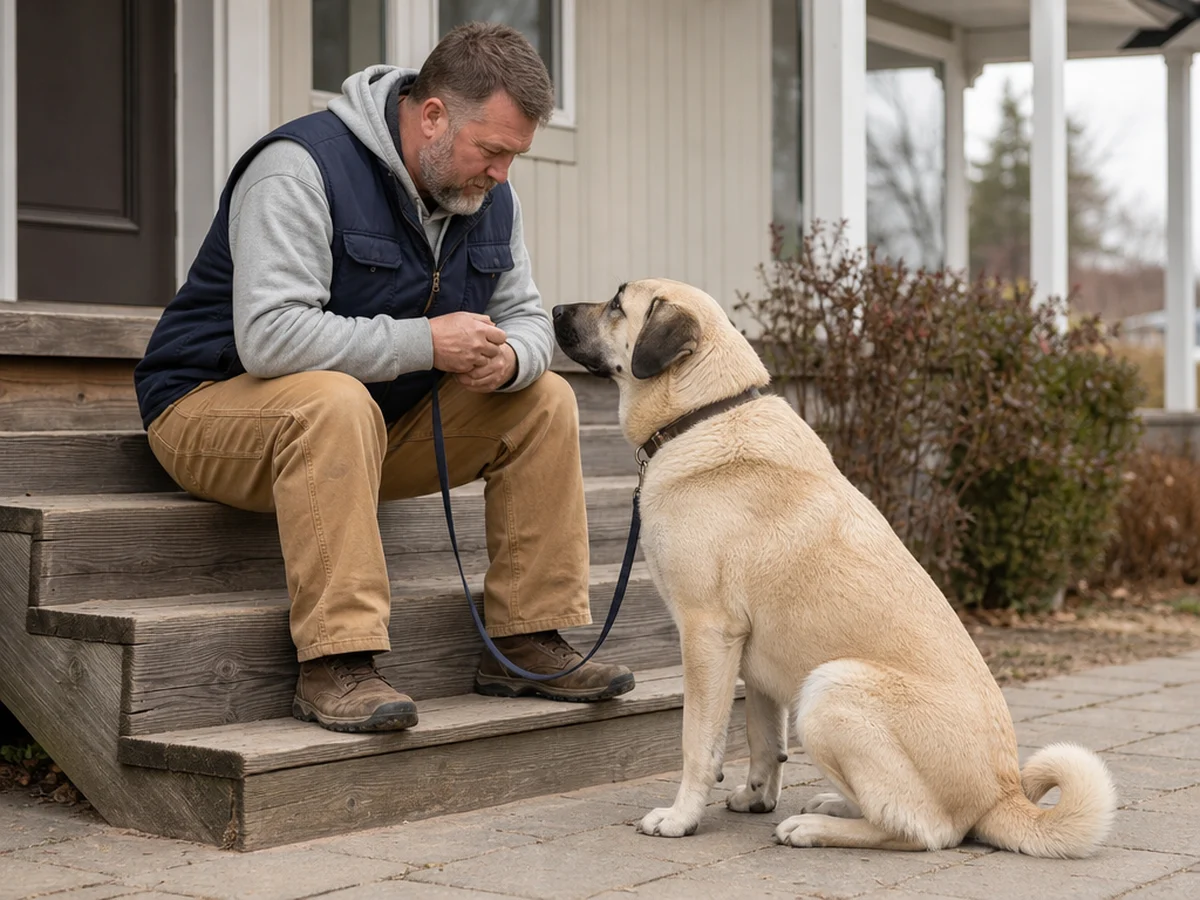
Each one earns its place for a reason tied to this breed. Together they cover the choices that matter in daily life.
- Sit gives a polite default for greeting visitors and waiting at doors, so a big dog has no need to lean or push.
- Down grows into a long, relaxed settle, which suits a dog who naturally watches their surroundings and needs a way to rest while life goes on.
- Wait means holding position until you give a release word, which makes doorways, gates and car doors safer for everyone.
- Leave it lets a dog who inspects everything in their territory turn away from food, an object or a visitor's bag in exchange for something better.
- Come is the cue you will work on longest, because it must compete with whatever is moving beyond the fence.
Choose one spoken word per cue and have every adult in the home use it. Mixed words hand an independent dog an easy excuse to wait for a clearer request. Our complete Anatolian Shepherd training guide covers the wider plan around these five.
Teaching Sit and Down
Teach sit by watching and waiting. Puppies fold into a sit many times a day, so reward the moment it happens. After plenty of repetitions, say the word just before the sit and it attaches to the action. Down grows from a sit: slide a treat from the nose along the floor toward your feet and reward once the elbows touch the ground.
Skip placing the puppy with your hands. Overhandling is discouraged for this breed, and a puppy who works out the position by following food is doing the kind of thinking Anatolians prefer.
Teaching Wait, Leave It and Come
For wait, ask for a sit and lower the food bowl slightly. If the puppy surges forward, lift it again. When they hold still, lower it fully, say a release word such as okay, and let them eat. The release word is half the lesson, because it tells the puppy when waiting is over.
For leave it, close your hand over a treat on the floor. When the puppy stops pawing and glances up at you, reward from your other hand with something different. The reward always comes from you, never from the forbidden item.
For come, begin indoors across a short space. Call cheerfully while the puppy is already walking your way and pay at your knees. Now and then release them straight back to what they were doing, so a trip to you never means the fun is over. A deliberate stroll over deserves generous payment. A good come cue should still never replace fencing, and our guide to Anatolian Shepherd recall and off-leash safety explains why.
Anatolian Shepherd Obedience Runs on Rewards
A dog bred to weigh a situation and act on their own judgment has little reason to follow a request that offers nothing. Saying a cue louder or more often does not change that. It only teaches the dog to ignore the first few requests. Rewards give cooperation a reason, and they keep the relationship friendly with an animal who is both strong and thoughtful.
The tool that makes payment precise is a marker word. Choose a brief sound like yes, which works like a camera click and captures the exact moment the dog did the right thing. Build it in this order:
- Say the marker in a normal voice and hand over a treat right away, asking for nothing in return.
- Repeat until the puppy's ears lift or their head turns as soon as they hear the word.
- Begin marking small real behaviors, such as a sit or a glance at you, and pay each one.
- Mark while the behavior is happening, not after it ends, so the link stays clear.
Treats are only one kind of pay. Quiet praise, a favorite game and life rewards such as opening the door to the yard or starting a walk all count, and the last kind costs nothing. Keep a few higher-value treats for harder moments, like practice near the front door.
Early on, pay every success. Once a cue is dependable, pay on a less predictable schedule, with an occasional jackpot of extra treats for an especially good response. Never stop paying altogether. A dog who is always asked and never thanked eventually decides that cooperating is optional.
Calm Training Sessions Teach Better Than Excited Ones
The written standard describes the temperament as alert and intelligent, calm and observant, and it notes that responsiveness with animation is not characteristic of the breed. Treat that as your lesson plan. Keep your voice low, your movements slow and your rewards quiet, because a bouncing, high-pitched session is designed for a different kind of dog.
Run several brief sessions through the day, each with just a cue or two, and finish while the puppy still seems interested. If they get wound up or start grabbing at your hands, end the session quietly and let them rest. Ending the game teaches that calm keeps the fun going.
Pick a peaceful room and use the same spot each time. Settling on a bed there is a cue in its own right, and a valuable one for a dog who watches everything. Pay for lying down while footsteps and voices pass, rewarding often at first and then spacing the treats out.
Judge success by steadiness, not speed. A slow, deliberate sit with a steady look is a right answer for this breed, and rewarding it spares you months of waiting for an eagerness that is not part of their nature.
Independence in an Anatolian Shepherd Is Not Defiance
Sooner or later you will ask for a sit and watch your dog look at you, glance around and think it over before acting. That pause is not insolence. One breed standard calls the dogs naturally independent and also very intelligent and tractable, and both are true. They understand what you want, then weigh whether going along makes sense.
Seen that way, the pause is a product of the job. A guardian who must judge whether something is a threat cannot be a dog who reacts to every signal at once, and the same habit appears when you ask for a sit.
Answer the pause with patience. Wait a few seconds without repeating the cue, because repeating teaches that the first request does not count. If the response comes, mark and pay. If it does not, make the next request easier, move closer, or raise the value of the treat.
Before calling anything defiance, check the simpler causes. The cue may be unclear, the setting may be too distracting, or the dog may not feel well. When a dog who reliably responded before suddenly stops, mention it at your next regular vet visit so a physical cause can be ruled out. Our look at Anatolian Shepherd temperament and trainability basics goes deeper into why this breed behaves this way.
Distance and Distractions Come Last in Training
Once a cue works in a quiet room, the temptation is to take it straight outside. Wait. Every cue has three separate difficulties: distance (how far away you stand), duration (how long the dog holds the behavior) and distraction (what else is going on). Change just one per session, and return to an easier version whenever the dog struggles.
The ladder below shows an order that works well. Each rung should succeed most of the time before you climb to the next.
| Where | What to practice | Move on when |
|---|---|---|
| A quiet room | Short cues with you close by | The cue works on the first request |
| Other rooms | The same cues with you farther away | The dog responds without you stepping closer |
| Doorways and gates | Sit and wait with mild excitement | The dog holds still until released |
| Fenced yard | Cues on a long line on a calm day | The cue holds with sounds and smells around |
| Fence line and street edge | Leave it and come with more space | The dog turns to you rather than the trigger |
| New places | Cues on leash with plenty of room | The dog stays responsive in unfamiliar settings |
The outdoors is where the breed's history shows. These dogs were bred for millennia to exercise independent judgment in response to perceived danger, so a passing person, a distant noise or movement beyond the fence can pull attention away from you in a way an indoor cue never faces. Expect near-perfect cues at home and weaker ones at the fence, and keep extra distance from the trigger until the cue holds.
Walks bring their own challenges. Our guide to Anatolian Shepherd leash training for pulling covers that ground, and while a cue is still being built, rely on a fence or long line rather than on the cue alone.
A Reliable Anatolian Shepherd, Not a Robot
Long term, the aim is a small set of dependable cues kept up calmly for years, not polished, animated precision. Chasing precision usually costs you the relaxed cooperation you actually want. Aim for a dog who responds the first time, in the places that matter, most of the time.
Expect the picture to improve through the first years. The teenage months bring testing, and cues that worked last month may suddenly look forgotten. They are not lost. Move to an easier setting, raise the pay and keep sessions short. Testing often eases as the dog matures.
Plan small refreshers along the way: a few rewarded repetitions now and then, extra practice after a lapse, and a restart of the basics after a move or a change in the household. Schedule regular vet visits as well, since a dog who feels well listens better.
What you will have in the end is a large, calm, watchful dog who is loyal and responsive in a quiet, measured way. They will pause when asked, leave what you point them away from, and walk over when called, because that habit has always paid and the relationship has always been fair.
Their judgment will keep a vote, so fences and management stay part of the plan, but the cooperation is real. Expect steady, thoughtful manners that deepen through the early years and stay a partnership, never push-button obedience.
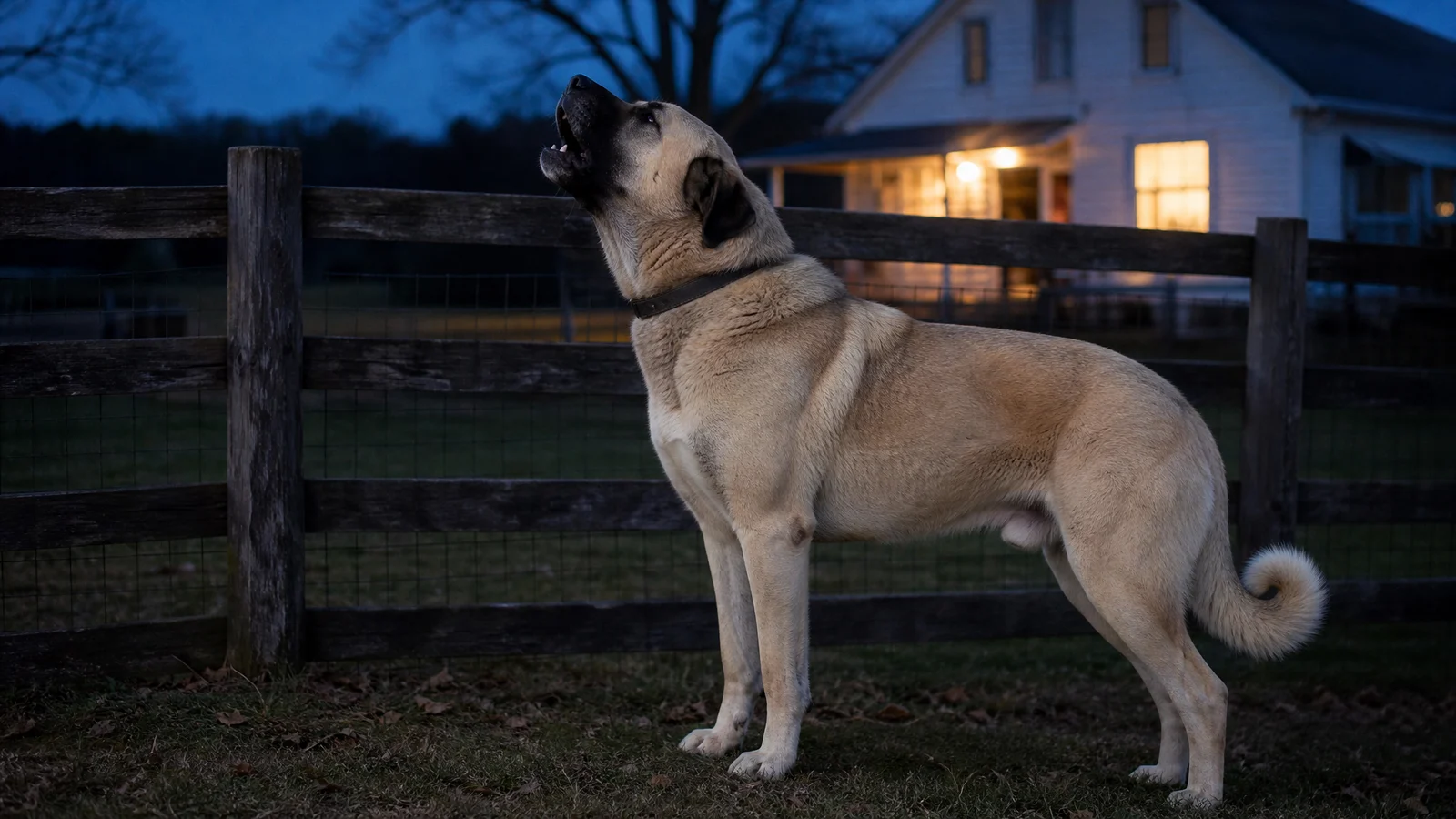 BehaviorWhy Anatolian Shepherds Bark at Night, and What Owners Can Do
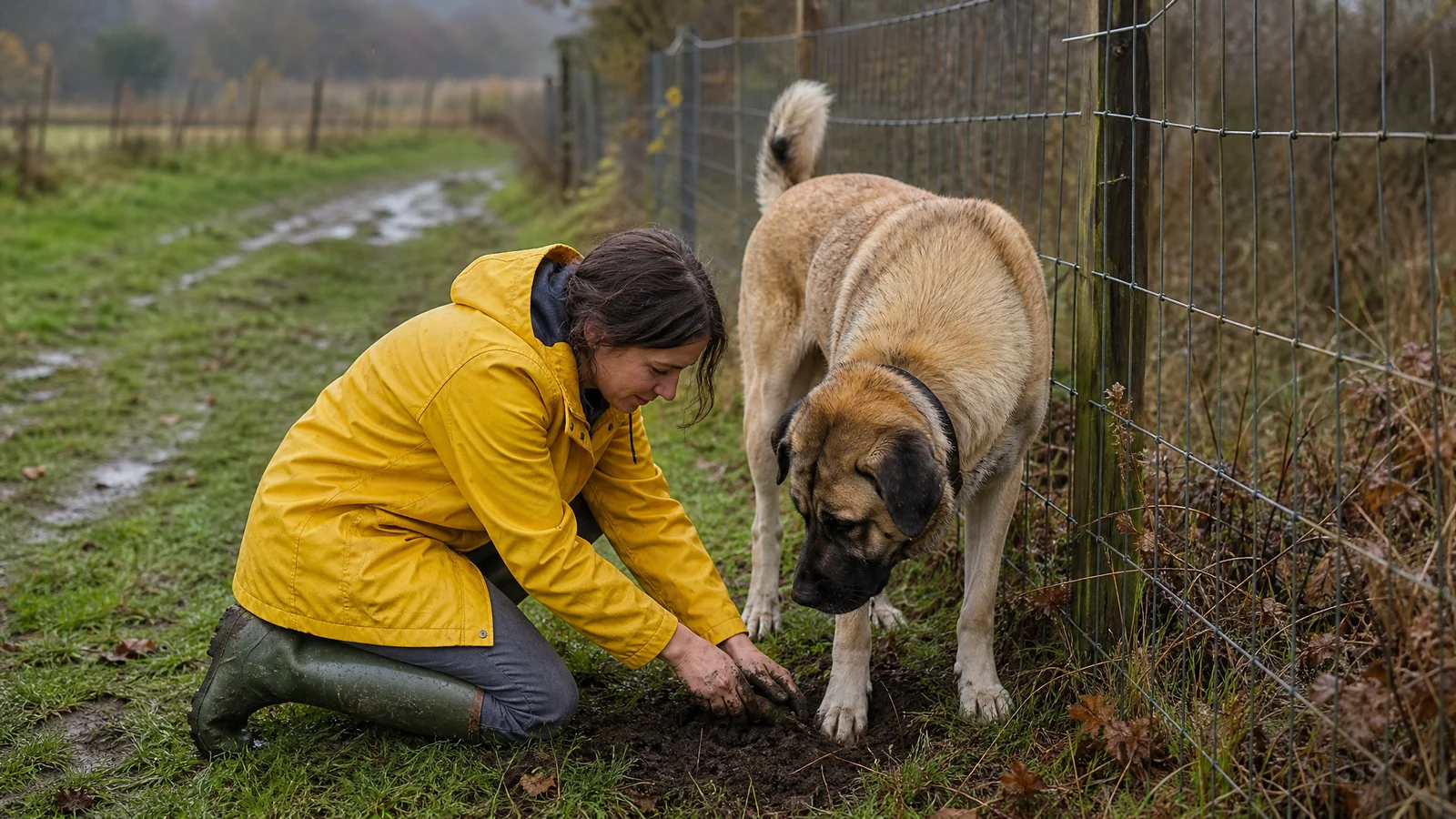 Exercise and jobsFencing, Roaming and Digging: Keeping an Anatolian Shepherd Home
 BehaviorTeach an Anatolian Shepherd an Off Switch